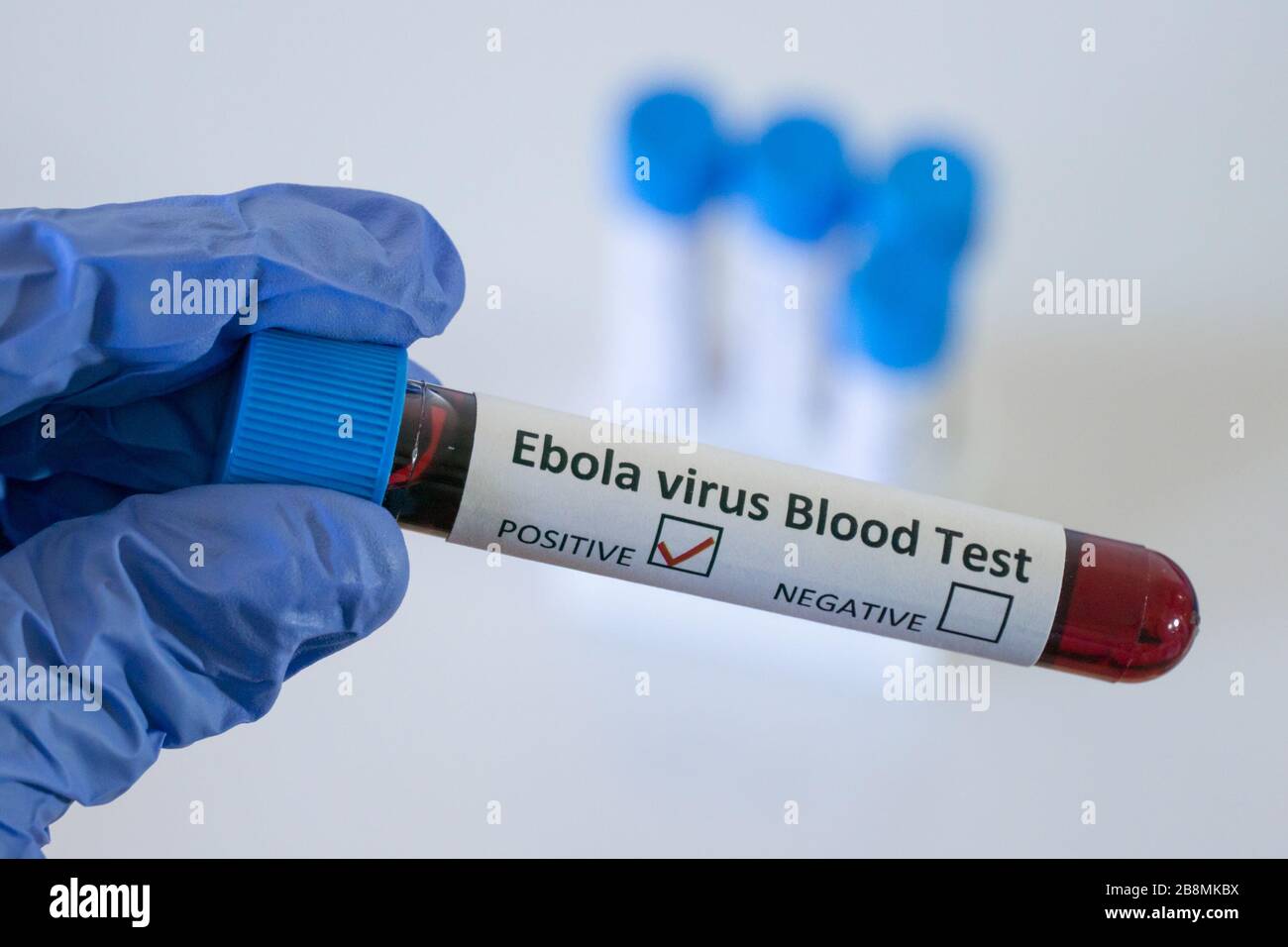
A French physician has tested positive for the Ebola virus after returning from a medical mission in West Africa, prompting an immediate public health response to identify and monitor potential contacts. The diagnosis, confirmed by French health authorities, marks a rare instance of a healthcare worker contracting the highly infectious disease while providing aid abroad. According to the French national public health agency, Santé publique France, the individual is currently receiving specialized care in a secure facility designed for high-consequence infectious diseases.
The patient, whose identity remains protected under medical privacy laws, reportedly began showing symptoms shortly after arriving in France. Public health officials initiated contact tracing protocols immediately upon the positive test result to mitigate the risk of community transmission. While the Ebola virus is extremely dangerous, the standard of care in European medical facilities—including rigorous isolation procedures and advanced supportive therapies—significantly improves survival prospects compared to regions with limited medical infrastructure, as noted by the World Health Organization (WHO).
Understanding the Ebola Virus and Transmission Risks
Ebola virus disease (EVD) is a severe, often fatal illness in humans, characterized by the sudden onset of fever, fatigue, muscle pain, headache, and sore throat, followed by vomiting, diarrhea, and in some cases, both internal and external bleeding. The virus is transmitted to people from wild animals and spreads in the human population through human-to-human transmission. According to the Centers for Disease Control and Prevention (CDC), the virus enters the body through broken skin or mucous membranes in the eyes, nose, or mouth, primarily through direct contact with the blood or body fluids of an infected person.
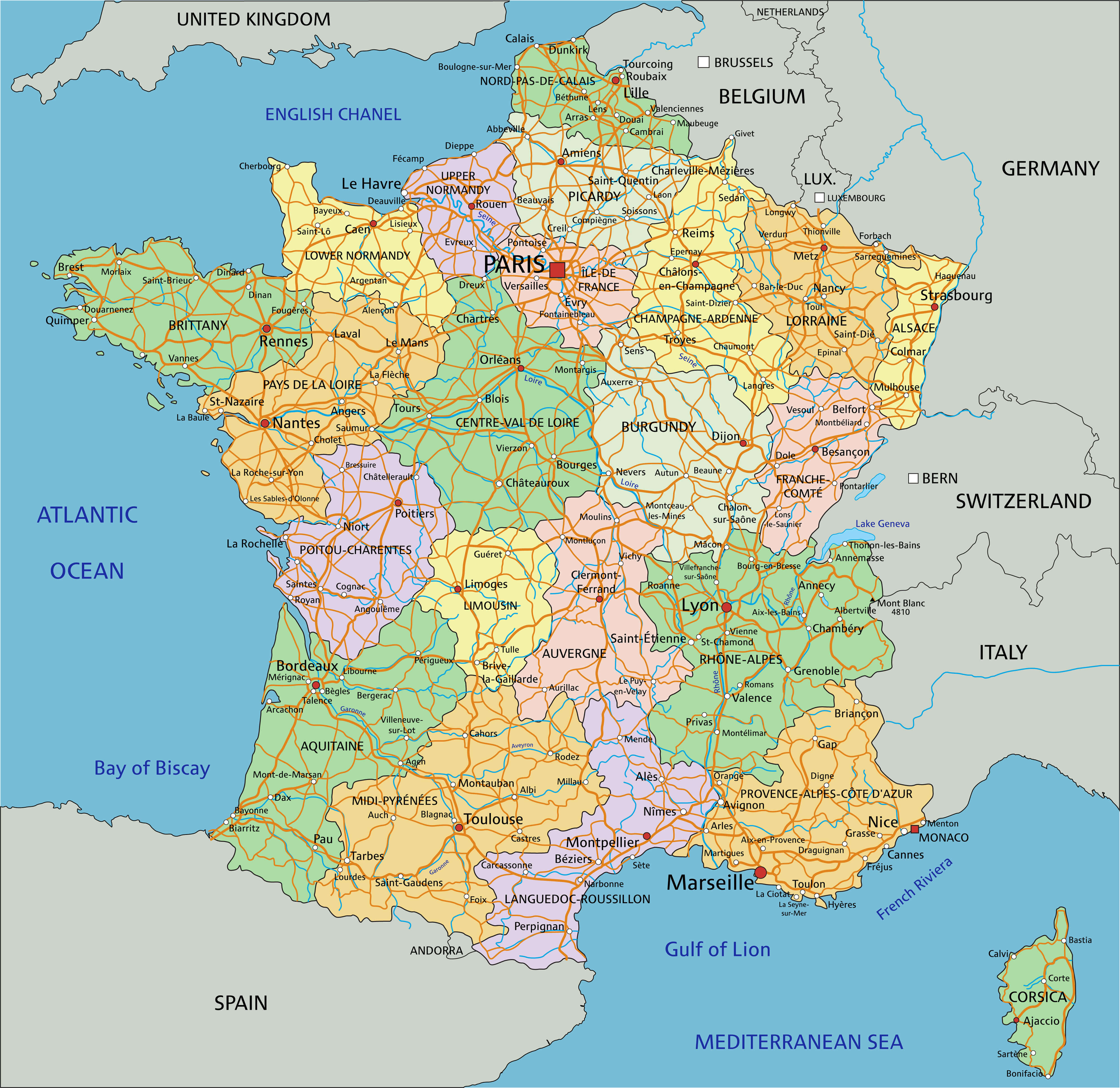
Because the virus is not airborne, the risk to the general public in France remains low. Health authorities emphasize that transmission requires direct contact with infected bodily fluids. The current protocols in place for the physician involve strict barrier nursing techniques, which are designed to prevent any exposure to hospital staff or visitors. These protocols have been refined through international cooperation following previous outbreaks, ensuring that medical facilities are equipped to manage such cases without wider community spread.
Public Health Response and Monitoring Protocols
In response to the confirmed case, the French Ministry of Health has activated its emergency infectious disease contingency plan. This involves the systematic identification of anyone who may have been in close contact with the physician during the window when the virus could have been transmitted. Under current European Centre for Disease Prevention and Control (ECDC) guidelines, individuals identified as contacts are placed under active monitoring, which includes regular temperature checks and reporting of any symptoms to health authorities for a period of 21 days—the maximum incubation period for the Ebola virus.

The physician is being treated in a specialized unit at a high-security hospital, specifically prepared for the management of viral hemorrhagic fevers. These units are staffed by experts trained in the use of personal protective equipment (PPE) and advanced life support systems. The focus of the clinical team is on fluid resuscitation, maintaining electrolyte balance, and managing complications, which are the cornerstones of modern Ebola treatment protocols as outlined by international health agencies.
Global Context and Historical Precedents
The case highlights the ongoing risks faced by medical volunteers working in regions where Ebola remains endemic or periodically re-emerges. Organizations such as Doctors Without Borders (Médecins Sans Frontières) and various international health coalitions frequently deploy specialists to these areas. Historically, the management of Ebola cases in non-endemic countries has been successful due to the ability to contain the virus through rapid isolation and high-level clinical support. According to the WHO’s historical records on Ebola outbreaks, the key to successful containment lies in the speed of the initial diagnosis and the rigor of the subsequent contact tracing efforts.

The French health system maintains a permanent state of readiness for such events, utilizing specialized infectious disease centers that are regularly audited and updated. These centers are part of a broader European network that shares data and expertise to ensure that any imported case of a high-consequence pathogen is managed with the utmost precision. Further updates regarding the status of the patient and the results of the contact tracing efforts are expected to be released by the French health ministry as the monitoring period progresses.
Readers seeking official information regarding health advisories or the current status of infectious disease protocols in Europe are encouraged to visit the Santé publique France official portal. As this is a developing situation, health officials urge the public to rely on verified statements from government medical agencies rather than speculative reports. Please feel free to share this information or leave your questions in the comments section below for further clarification on public health safety measures.
Related reading