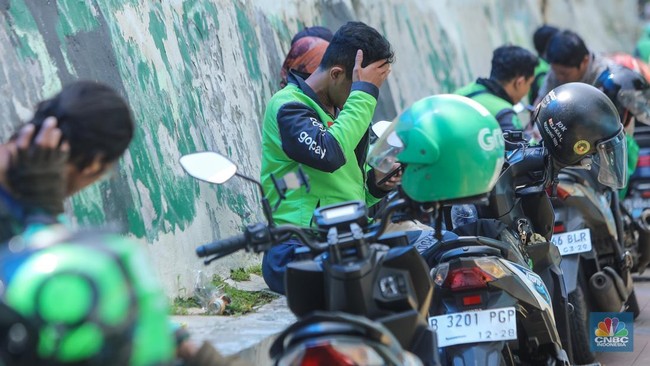
Ride-hailing drivers in Indonesia have expressed mixed reactions to recent regulatory adjustments regarding commission fees, specifically the implementation of an 8% platform fee cap for motorcycle taxi services. While the government-mandated shift aims to increase driver earnings by standardizing revenue-sharing models, many operators on the ground remain skeptical about whether these changes will translate into significant take-home pay improvements or merely shift costs elsewhere in the digital ecosystem.
The core of the policy, which involves a move toward an 8% commission structure for motorcycle taxi services (GoRide and GrabBike), is slated for implementation by July 1, 2026, according to Antara News. This regulatory framework is designed to ensure that a larger portion of the fare—specifically 92%—is retained by the driver, a move that has drawn attention from both industry regulators and legislative bodies monitoring the gig economy.
Legislative Oversight and the 92% Revenue Target
The push for a revised commission structure has gained momentum in the Indonesian House of Representatives (DPR). Lawmakers have emphasized that the vast majority of trip revenue should rightfully belong to the individuals performing the service. According to reports from Kompas.com, parliamentary leaders have formally urged application providers to respect a threshold where 92% of the fare is allocated to the driver, effectively limiting the platform’s cut to 8% to prevent excessive fee structures that critics argue disproportionately affect worker welfare.
This legislative stance reflects a broader effort to formalize protections for gig workers, who often face fluctuating income levels driven by dynamic pricing and company-set commission rates. By setting a hard ceiling on platform fees, the government seeks to stabilize the earnings of millions of motorcycle taxi drivers who rely on these platforms as their primary source of income. However, the application of this rule remains a point of contention between labor unions, platform operators, and policymakers.
Driver Concerns Regarding Scope and Implementation
Despite the potential for higher gross earnings, significant segments of the driver community have voiced opposition to the narrow focus of the 8% cap. Many drivers argue that the regulation should not be limited strictly to motorcycle taxi services (GoRide and GrabBike) but should also extend to food delivery and parcel services, which constitute a large portion of their daily workload. As reported by CNBC Indonesia, drivers have expressed frustration that the current policy leaves out other high-volume service categories, potentially allowing platforms to offset lower ride-hailing commissions by maintaining higher fees on other delivery operations.

The apprehension stems from a fear that platforms might introduce “hidden” costs or restructure incentive programs to recover the lost revenue from the 8% cap. While the 92% revenue retention is a win on paper, drivers are waiting to see if these changes will lead to a reduction in performance bonuses or a tightening of eligibility requirements for existing benefits. The complexity of the gig economy means that a reduction in commission fees does not automatically guarantee a proportional increase in net income if the underlying algorithmic pricing models are adjusted simultaneously.
Economic Risks and Market Dynamics
Analysts note that while the new policy is intended to protect worker income, it introduces structural risks for the platforms themselves. According to analysis from Kompas.id, the shift in revenue-sharing models could impact the long-term sustainability of the ride-hailing business model, which relies on thin margins to maintain competitive pricing for consumers. If platforms are forced to reduce their commission intake, they may be compelled to increase base fares to maintain operational viability, which could, in turn, reduce demand for ride-hailing services.
The challenge for regulators is to balance the need for fair compensation for drivers with the necessity of keeping the service affordable for the general public. As of now, the industry is in a transitional phase, with stakeholders monitoring the upcoming implementation date to see how major players will adjust their operational costs to comply with the 8% mandate. The outcome of this policy will likely set a precedent for how other gig-economy sectors, including e-commerce logistics and freelance services, are regulated in the future.
Next Steps for Industry Compliance
The industry is now looking toward the official implementation date of July 1, 2026. Until that time, ride-hailing companies are expected to conduct internal reviews to align their current revenue-sharing agreements with the new regulatory requirements. Drivers and labor representatives are encouraged to monitor official government announcements from the Ministry of Transportation for further guidance on how the 8% cap will be enforced across different service categories.
As the deadline approaches, continued dialogue between the government, platform operators, and driver cooperatives remains essential to ensure that the transition does not result in unintended economic consequences for those who depend on these platforms for their livelihood. Readers are encouraged to share their experiences or perspectives on how these changes might impact the local gig economy in the comments section below.
Related reading