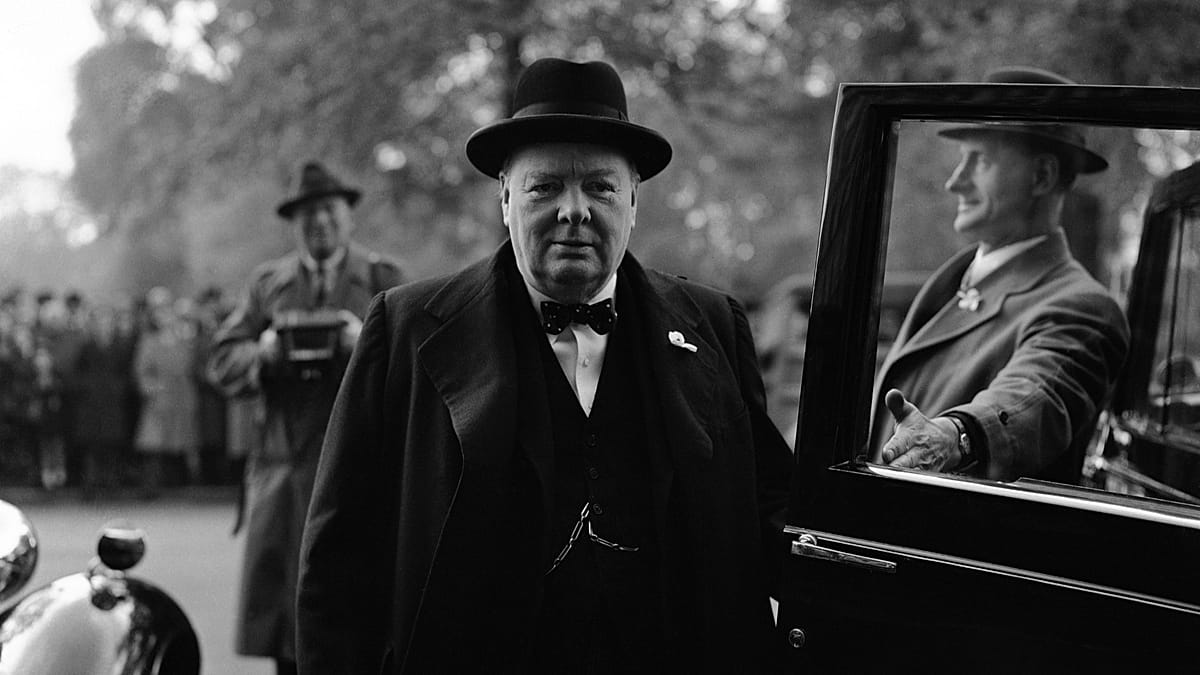
The National Portrait Gallery in London has removed a video installation from its collection following public criticism regarding its depiction of Winston Churchill’s role in the 1943 Bengal famine. The museum confirmed the decision to withdraw the work, titled “The Portrait of a Portrait,” after concerns were raised about the accuracy and framing of the historical narrative presented in the piece, according to reports from the BBC.
The controversy centers on a video installation that linked the wartime prime minister directly to the mass starvation in British-ruled India, where an estimated 2 to 3 million people died, as noted by Encyclopedia Britannica. The exhibit, which had been displayed as part of the gallery’s broader efforts to contextualize historical figures, faced scrutiny from critics who argued the portrayal of Churchill lacked necessary nuance regarding the complexities of wartime logistics and global supply chain failures during the Second World War. The gallery’s leadership stated that the removal was intended to allow for a review of how the institution presents sensitive historical content to the public.
Context of the Bengal Famine and Churchill’s Legacy
The 1943 Bengal famine remains one of the most contentious topics in modern British and Indian historiography. The tragedy occurred during the height of the Second World War, at a time when Japanese forces had occupied Burma, cutting off a primary source of rice imports for the region. Historical records from the UK National Archives indicate that while the British War Cabinet prioritized food supplies for troops and civilian workers in war-critical industries, the distribution of remaining resources was severely hampered by administrative failures and systemic issues within the colonial government in India.
Critics of the museum’s installation argued that the video simplified a multifactorial disaster by placing sole responsibility on Churchill’s policies. Proponents of a more critical view of the British Empire, however, point to decisions made by the War Cabinet, including the denial of shipping requests for food aid, as evidence of negligence. The debate illustrates the ongoing challenges faced by major cultural institutions in Britain as they attempt to reconcile national historical narratives with the diverse perspectives of a post-colonial society.
Institutional Review and Museum Policy
Museums across the United Kingdom are increasingly under pressure to audit their collections for historical accuracy and social sensitivity. The National Portrait Gallery, which underwent a major multi-year renovation before reopening in 2023, has maintained that its goal is to present a “fuller picture” of the individuals in its care, according to statements made by the gallery’s director, Nicholas Cullinan, during the institution’s reopening phase. The removal of the Churchill installation follows a trend of “re-curation” where institutions reassess whether specific artistic interpretations align with updated historical consensus.
The process of reviewing such installations typically involves consultation with historians, curators, and representatives from affected communities. In this instance, the gallery has not provided a specific timeline for when a revised version of the exhibit might return, or if the space will be repurposed for a different display. The institution emphasizes that it remains committed to artistic freedom while ensuring that the information provided to visitors is grounded in verified historical inquiry.
What Happens Next for the Exhibit
As of this writing, the space previously occupied by the video installation remains vacant or under review. There have been no official announcements regarding the permanent deaccessioning of the work, suggesting that it may be subject to internal re-evaluation rather than total removal from the gallery’s archives. The National Portrait Gallery has indicated that it will continue to engage with external advisors to ensure its displays meet professional standards for historical interpretation.
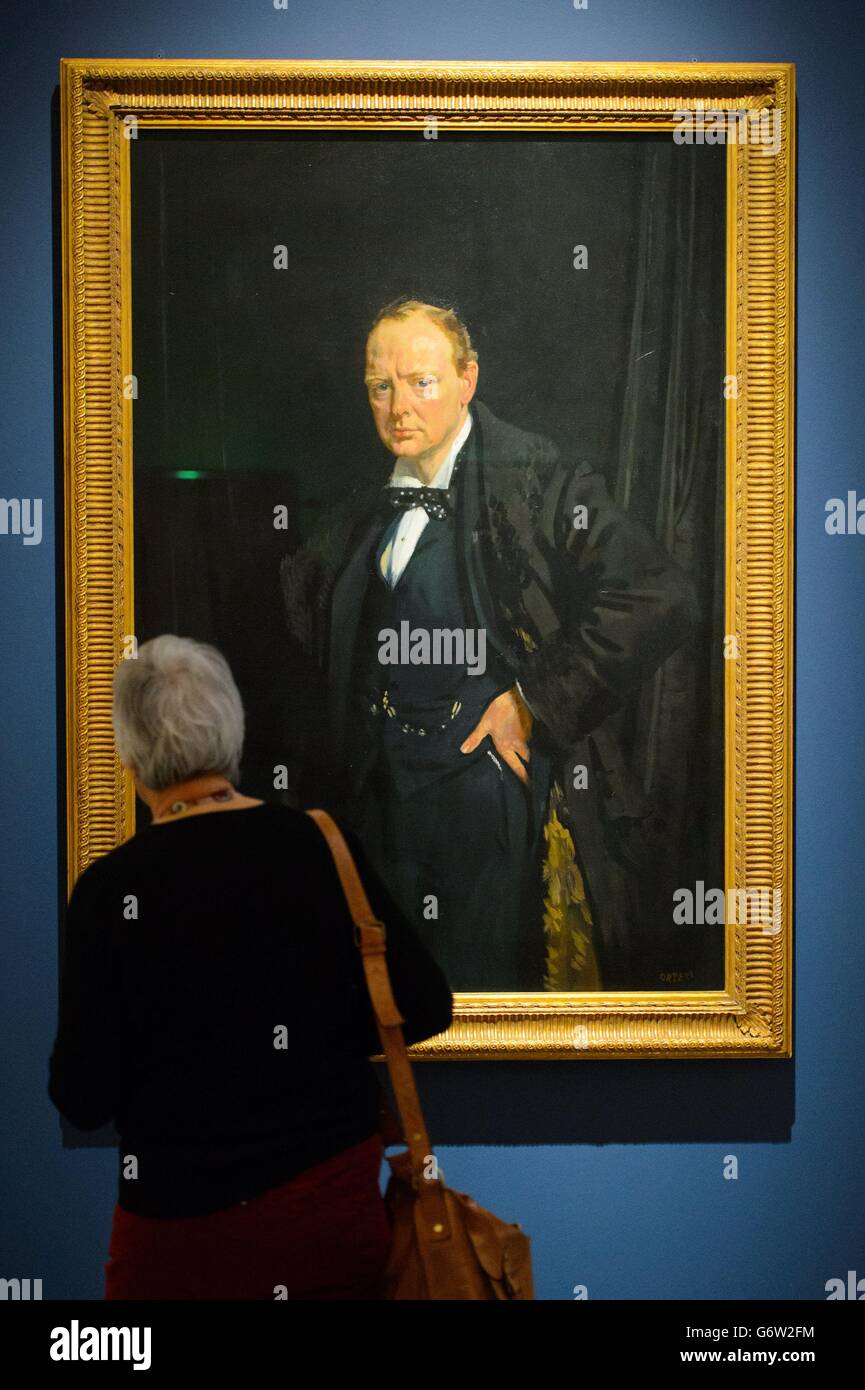
For visitors and researchers, the gallery continues to provide extensive information regarding its collections through its official online portal, where updates on specific exhibits are periodically posted. Further developments regarding the gallery’s policy on historical displays are expected to be addressed in the institution’s annual report, which typically outlines shifts in curatorial strategy and public engagement initiatives. We welcome your thoughts on how museums should balance artistic expression with historical accuracy in the comments section below.
Worth a look