US President Donald Trump demanded on Monday that Iran pay compensation for deaths in wars, attacks, and protests, raising tensions as hopes faded for an imminent agreement to reopen the Strait of Hormuz. Trump stated he was responding to an earlier demand from Tehran requiring Washington to meet conditions, including compensation for damage sustained during more than five months of US and Israeli strikes on Iranian territory.
Trump Demands Compensation From Iran as Strait of Hormuz Deal Falters
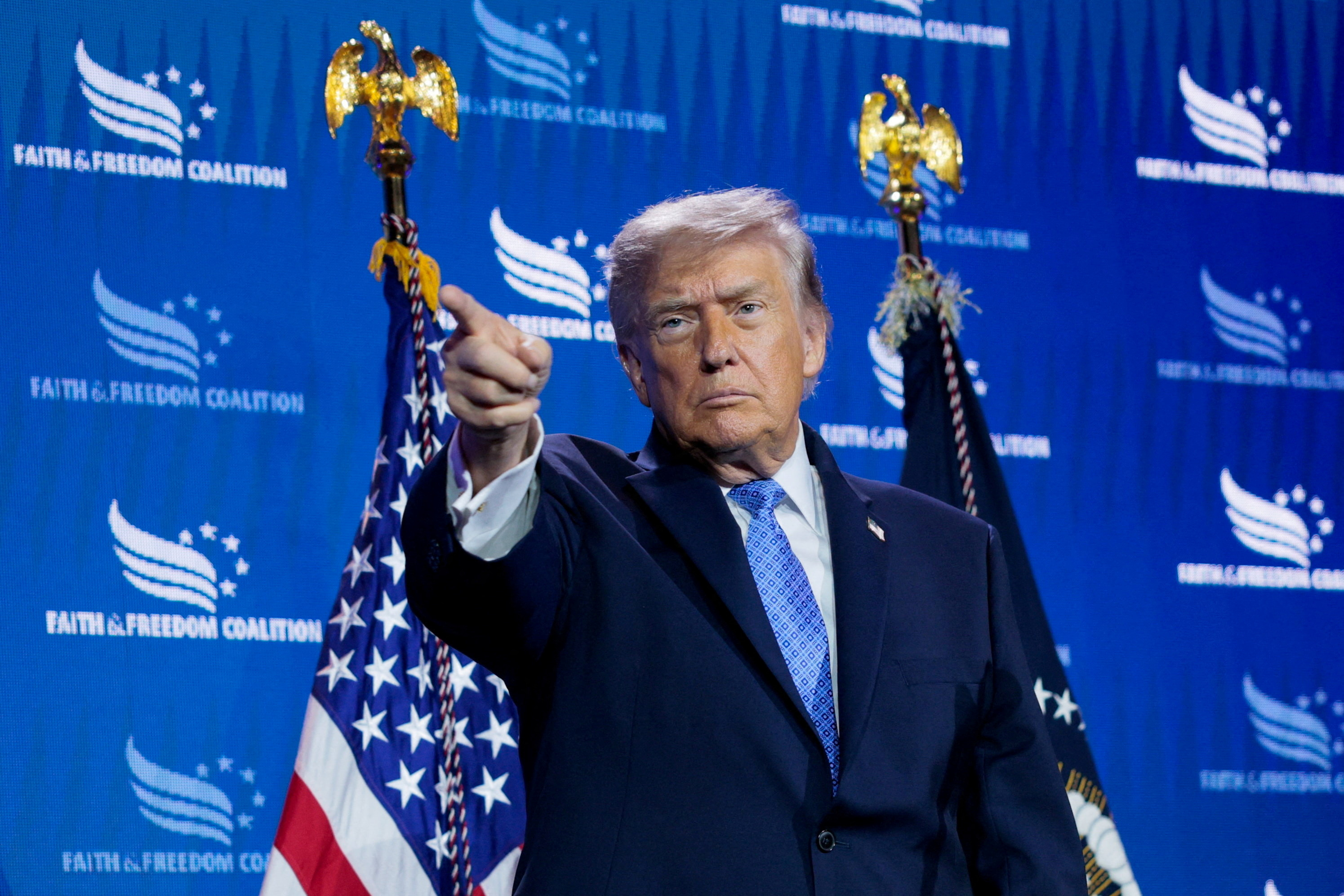
Writing on his Truth Social platform, Trump stated: I am likewise demanding compensation from Iran, for all of the people that they have killed and gravely wounded with their roadside bombs and many conflicts, for which they are famous.
The new US condition had not been raised in prior negotiations. Trump indicated the demand would apply to all future talks with Iran, encompassing payments to the families of hundreds of thousands of protesters he stated were killed by Iranian authorities, as well as families of individuals killed in the October 12, 2000, attack on the USS Cole in Yemen.
Strait of Hormuz Blockade and Economic Impacts
Prior to Trump’s announcement, Iran stated it was nearing a final agreement with Oman regarding new shipping lanes through the Strait of Hormuz. However, Tehran maintained that the waterway would not reopen until Washington ended sanctions and military threats alongside meeting compensation demands. The strait has remained effectively blocked since US and Israeli attacks on Iran commenced on February 28. Approximately a fifth of global oil and liquefied natural gas supplies passed through the chokepoint before the conflict.

The stalled negotiations drove an extended rally in energy markets. Following statements by Iranian Foreign Ministry spokesman Esmaeil Baghaei regarding Tehran’s conditions, Brent crude rose more than 4 percent, while Dutch and British front-month gas prices climbed over 10 percent. Crude prices surged further on Tuesday, extending a weekly rally of around 10 percent, while inflation fears and potential US interest rate hikes drew increased attention from traders awaiting consumer price data.
Background on Conflict and Regional Pressures
Trump stated that the military actions against Iran were intended to prevent the development of nuclear weapons and limit regional threats. Facing political pressure to conclude an unpopular conflict ahead of November midterm elections, Trump had previously suggested he was “low-keying” his approach by allowing economic pressure to mount. Although Washington and Tehran agreed to a ceasefire in June, the truce broke down after the US imposed a new blockade on Iranian shipping in the Gulf in July.
Regional instability has also persisted across other vital trade routes. Iran-aligned Houthi rebels in Yemen have targeted vessels in the Red Sea and Gulf of Aden, declaring a naval blockade against Saudi Arabia. On Monday, the Yemeni military reported that seven people, including military personnel and civilians, were killed in a Houthi drone attack on the Red Sea port city of Mocha, during which air defenses intercepted and destroyed 11 drones.
Keep reading
- Western Europe Hits Record Heat as Global Ocean Temperatures Surge: Copernicus Report
- 7 Rising Stars from FIFA U-17 World Cup 2025 Making Waves in 2026
- Trump Took Secret Military Flight From Turkey Amid Iranian Assassination Threat (newsdirectory3.com)
- How Oman Became the Broker Behind the Latest Hormuz Deal (daybreakwire.com)