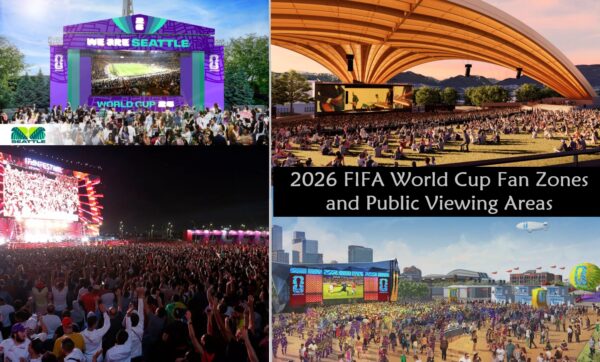
Public screenings of the 2026 FIFA World Cup are emerging as a significant driver for local economic activity and community engagement across Indonesia, with regional authorities and military commands coordinating to facilitate official viewing events. In Riau, the collaboration between the national broadcaster TVRI and the Kodam I/Bukit Barisan—which oversees the region—serves as a primary example of the logistical efforts required to host these public gatherings. These initiatives are aligned with broader national goals to boost domestic consumption and foster social cohesion during the tournament, as highlighted by the Ministry of Youth and Sports.
The Economic and Social Impact of Public Screenings
The Ministry of Youth and Sports has identified public viewing events, or nonton bareng, as a strategic tool for stimulating the local economy. According to statements from the Ministry, these gatherings encourage foot traffic in public spaces, support local vendors, and provide a platform for community interaction during major international sporting events. As noted by the Ministry of Youth and Sports, the collective experience of sports participation acts as a multiplier for micro-enterprises that supply food, beverages, and services to attendees.
Beyond the economic metrics, the involvement of military and government institutions ensures that these events adhere to safety and regulatory standards. In various provinces, including West Java, municipal governments have indicated they are awaiting formal licensing and broadcasting coordination from state-run entities like TVRI and RRI to ensure that all public screenings comply with intellectual property and broadcasting regulations, as reported by provincial government records.
Institutional Coordination and Regulatory Frameworks
The successful execution of a public viewing event requires strict adherence to broadcasting laws. The 2026 FIFA World Cup rights are held by specific entities, and unauthorized public screenings can face legal challenges regarding commercial usage. Consequently, the partnership between local broadcasters and regional commands, such as the military units in Riau, serves to centralize the licensing process. This bureaucratic alignment ensures that the community can participate in the festivities without violating copyright protocols.
In Bandung, city officials have emphasized that the delay in announcing full schedules for public screenings is primarily due to the ongoing finalization of these licensing agreements. The goal is to create an environment where the public can enjoy the matches while ensuring that the infrastructure—ranging from screen placement to crowd control—is managed by authorized personnel. This reflects a nationwide trend where local governments act as facilitators between the rights holders and the public to prevent illegal commercial exploitation of the event.
Community Engagement and National Sports Culture
The enthusiasm for football in Indonesia remains a primary driver for these events. Figures in the entertainment and sports industry, such as public figures previously involved in sports advocacy, have noted that the nonton bareng culture is deeply rooted in the Indonesian social fabric. By providing organized, safe, and sanctioned environments, these institutions aim to reclaim the communal spirit of sports viewing, which often saw fragmented or unregulated gatherings in the past.
The focus for the 2026 tournament is not merely on the matches themselves but on the stability and accessibility of the viewing experience. As the tournament approaches, the Ministry of Youth and Sports continues to encourage local administrations to coordinate with the central government to maximize the reach of these events. The collaboration between the military and broadcasting authorities in provinces like Riau serves as a blueprint for other regions looking to host similar events while maintaining order and regulatory compliance.
Looking Ahead to the Tournament
Official schedules and the list of sanctioned public viewing venues are expected to be released by regional authorities as the tournament draw is finalized. Citizens are advised to monitor official government portals and the regional announcements from TVRI for confirmed locations and event timing. These platforms will provide the necessary updates on safety protocols and any potential entry requirements for the public venues. Further information regarding the tournament’s broadcasting rights and official fan zone locations can be found through the official FIFA communications channels.
The success of these initiatives will be measured by both attendance figures and the subsequent economic report from local commerce departments. As the nation prepares for the upcoming matches, the synergy between state institutions and the public remains the cornerstone of the tournament experience in Indonesia. Readers are encouraged to share their experiences or questions regarding local viewing events in the comments section below as more information becomes available.
- Alfie Edgell Ruled Out for Season: Leeds Rhinos Winger Suffers Quad Injury
- Yasmine Abdel Aziz and Anas Bukhash Spark Social Media Buzz with New Photo
- Augusta Health News and Events Updates (news-usa.today)
- Pax Silica: Driving Economic Growth and Industrial Development in Central Luzon (archyworldys.com)