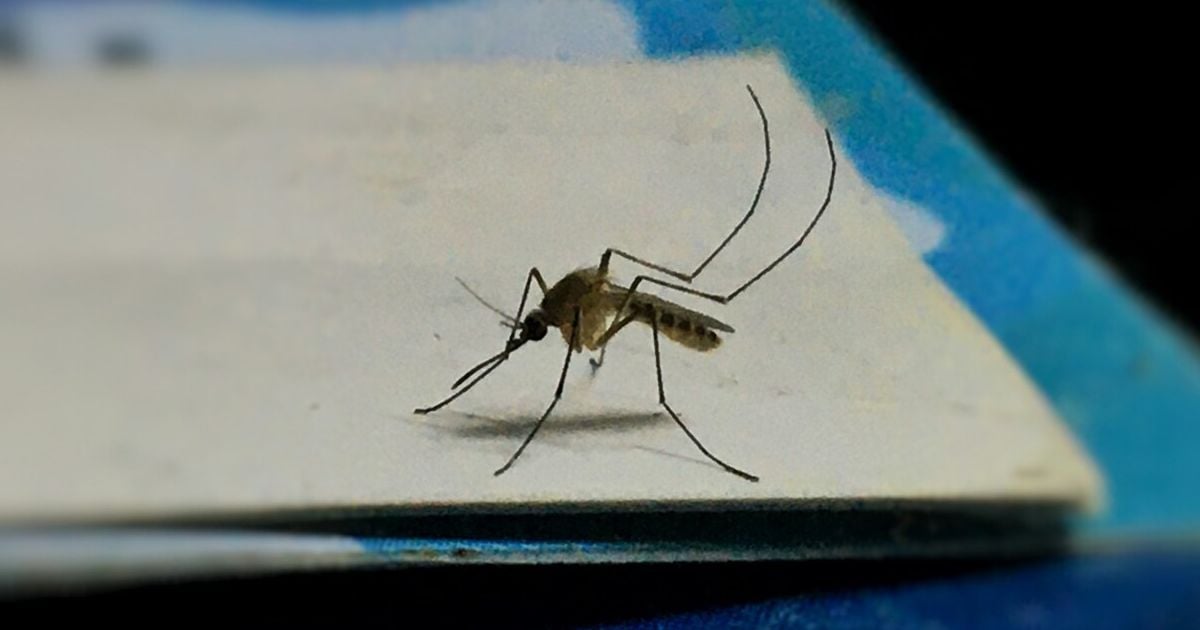
Rising temperatures across Europe have triggered a significant increase in mosquito populations, prompting public health officials to reiterate guidance on effective prevention and bite management. As global climate patterns shift, warmer and more humid conditions are extending the breeding season for various species, including the invasive Aedes albopictus, commonly known as the tiger mosquito, according to the European Centre for Disease Prevention and Control (ECDC). Experts emphasize that reducing standing water and utilizing verified barrier methods remain the most reliable strategies for minimizing human-mosquito contact.
Understanding the Impact of Rising Temperatures
The proliferation of mosquitoes is directly linked to environmental factors, as these insects require stagnant water to complete their life cycle. According to the World Health Organization (WHO), higher temperatures accelerate the development of mosquito larvae, leading to larger adult populations in shorter timeframes. This trend is not merely a nuisance; it influences the geographical spread of vector-borne diseases, as warmer climates allow mosquitoes to colonize regions previously considered too cold for their survival. Public health agencies are currently monitoring these shifts to manage potential health risks effectively.
Effective Prevention Strategies
Physicians and public health authorities recommend a multi-faceted approach to keep mosquitoes at bay. The most critical step involves eliminating breeding sites around residential properties. Because female mosquitoes lay eggs in even small amounts of standing water, homeowners are advised to empty containers such as flowerpot saucers, gutters, and birdbaths at least once a week. This practice prevents the maturation of larvae, which typically takes about seven to ten days in warm weather, as noted by the U.S. Centers for Disease Control and Prevention (CDC).

When outdoor protection is necessary, experts recommend using repellents containing active ingredients registered with national environmental agencies. Commonly recognized effective ingredients include DEET, picaridin, and oil of lemon eucalyptus. It is essential to follow product labels strictly, as the concentration of these ingredients determines the duration of protection. For those spending time in gardens, wearing long-sleeved clothing treated with permethrin can provide an additional physical barrier, though these products should never be applied directly to the skin.
Evaluating Modern Mosquito Control Technology
The market for mosquito control has expanded to include various gadgets, from automated traps to localized repellent devices. While some consumers turn to commercial “miracle” solutions, scientific consensus remains that integrated pest management—a combination of habitat removal and personal protection—is the gold standard. Devices that claim to protect large areas without chemicals often rely on CO2 emissions or specific light frequencies to attract and trap insects; however, their efficacy can vary significantly based on placement and local mosquito density.
Research into biological controls, such as the use of sterile male mosquitoes to reduce population growth, continues to be a subject of study. According to the International Atomic Energy Agency (IAEA), the Sterile Insect Technique (SIT) has shown promise in controlled environments as a sustainable alternative to traditional insecticides. While these technologies represent significant medical innovation, they are generally applied at a municipal or regional level rather than being individual consumer solutions.
Common Myths and Practical Advice
Public health communication frequently aims to debunk ineffective DIY remedies. Social media often circulates “hacks” involving household items like toilet paper rolls or specific food items, which lack any foundation in entomological science. Relying on unverified anecdotal advice can lead to a false sense of security, particularly in areas where mosquitoes carry pathogens like dengue, chikungunya, or Zika. For the most accurate updates regarding local mosquito activity and disease prevalence, residents should consult their municipal health department websites or national public health portals.
As the summer season progresses, staying informed through official channels remains the best defense. The next update on vector-borne disease surveillance in Europe is expected from the ECDC in their upcoming seasonal report. Readers are encouraged to share this guidance with their communities to ensure collective efforts in reducing mosquito breeding grounds. Have you found a particular prevention strategy that works for your local area? Join the conversation in the comments below.
Related reading