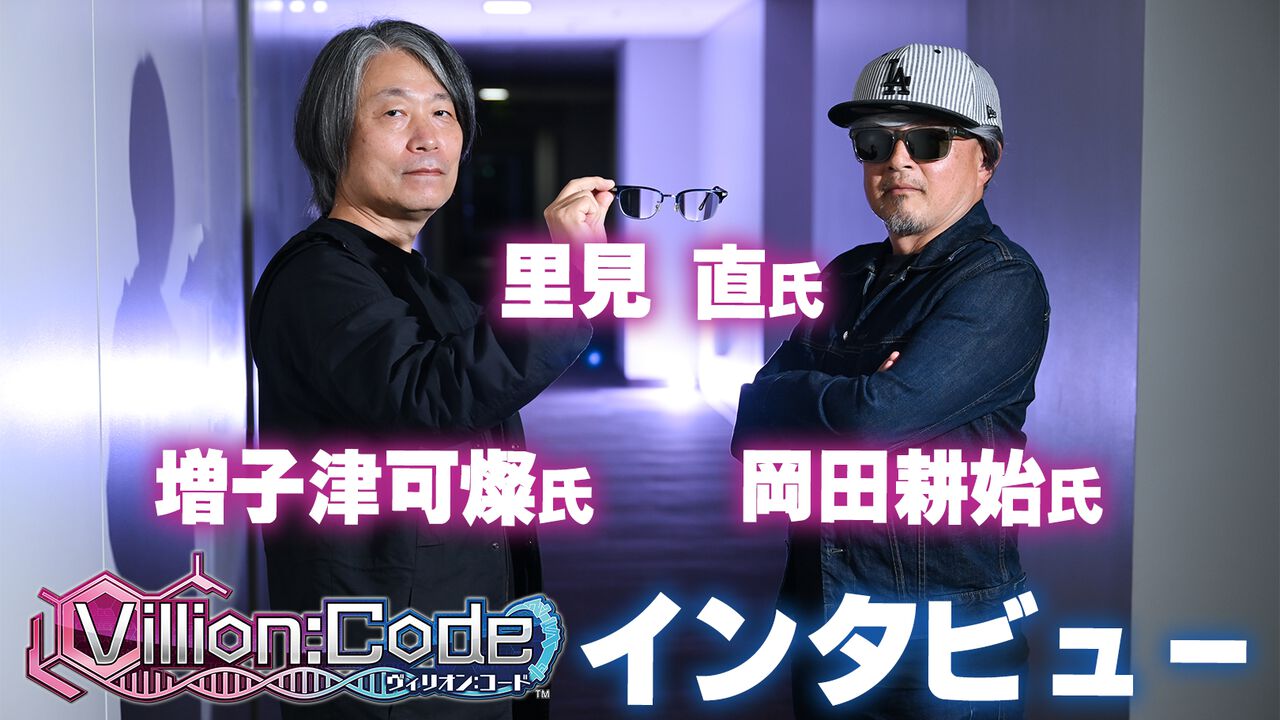
Veteran game developers Koji Okada, Tadashi Satomi, and Tsukasa Masuko have reunited after a 23-year hiatus to collaborate on the project Virion: Code. The trio, best known for their foundational work on the early Persona and Shin Megami Tensei series, confirmed their partnership in recent interviews, signaling a return to the thematic storytelling that defined their peak creative era in the late 1990s and early 2000s.
The reunion marks a significant moment for fans of dark, psychological role-playing games. According to statements released by the developers, the narrative of Virion: Code serves as both a cautionary tale and a formal apology directed toward the younger generation. The creators suggest that the project aims to address the disconnect between the idealism of the past and the digital realities faced by modern youth, utilizing a blend of high-concept fiction and gritty, old-school rock-inspired aesthetics.
A Collaboration Rooted in Industry History
The partnership brings together three of the most influential figures in Japanese RPG development. Koji Okada, a former executive at Atlus, is widely recognized as a key architect behind the Megami Tensei franchise. Tadashi Satomi, who served as the primary scenario writer for the original Persona trilogy, is credited with establishing the series’ signature focus on Jungian psychology and character-driven drama. Composer Tsukasa Masuko, whose distinct, experimental rock and industrial soundscapes provided the auditory atmosphere for these early titles, rounds out the reunion.
The developers noted that their decision to work together again was driven by a desire to recapture the creative freedom they possessed during the development of Persona 2. As documented in industry archives regarding their tenure at Atlus, the team functioned with a specific “auteur” philosophy that prioritized artistic vision over mainstream market trends. By returning to this collaborative structure, the team intends to deliver a narrative experience that feels authentic to their established style while reflecting their current perspectives on societal shifts.
Addressing the Modern Condition
Central to the development of Virion: Code is the script’s attempt to bridge the gap between generations. Satomi, in discussing the scenario, stated that the writing is infused with a sense of responsibility toward younger players. The narrative is framed as a “warning” regarding the unchecked influence of technology and the erosion of human connection in the digital age. This thematic choice aligns with the developers’ historical focus on the darker aspects of the human psyche.
Industry observers have noted that this focus on “apology and warning” is a departure from contemporary industry norms, which often prioritize accessibility and live-service longevity. The project’s commitment to a linear, story-heavy experience reflects a desire to challenge players rather than merely entertain them. By integrating these complex themes, the team is positioning Virion: Code as an intellectual successor to the cult-classic RPGs that first brought them international recognition.
Old-School Rock and Sonic Identity
Masuko’s involvement ensures that Virion: Code will maintain the sonic identity that fans associate with the creators’ previous work. The decision to employ “old-school rock” elements is a deliberate stylistic choice meant to ground the game’s abstract themes in a visceral, energetic soundscape. Masuko has historically utilized unconventional instrumentation and dissonant chords to build tension, a technique he is expected to revisit for this project.
For players who grew up with the Shin Megami Tensei series, this return to form is a significant development. The reliance on a cohesive vision—where the scenario, music, and design are tightly integrated—remains a hallmark of the team’s process. As the industry moves toward increasingly complex, graphics-heavy production cycles, the team’s focus on atmospheric, character-centric storytelling offers a distinct alternative for the current market.
Looking Ahead
While the announcement of the reunion has generated interest, specific details regarding the release window and platform availability for Virion: Code remain forthcoming. The developers have indicated that they are currently in the midst of production, with further updates expected to be released through official channels as the project nears completion. Potential players are encouraged to follow the official project social media accounts for verified announcements regarding development milestones.
The return of these three veterans highlights a broader trend in the gaming industry, where established creators are increasingly returning to independent or smaller-scale projects to pursue creative goals without the constraints of large corporate structures. As the project progresses, the core question remains: can the team recapture the specific, haunting magic of their early work while addressing the vastly different cultural landscape of 2024? Readers interested in the development of Virion: Code should monitor official press releases for the next scheduled update or public showing.
What are your thoughts on this reunion of RPG legends? Share your perspective in the comments section below.
Related reading