
French health authorities have placed a medical professional under isolation following a confirmed case of Ebola, marking the first time the virus has been identified in France since the current outbreak began in the Democratic Republic of Congo (DRC). The patient, who recently returned from medical humanitarian work in the affected region, is currently receiving specialized care in a high-security isolation unit designed for viral hemorrhagic fevers, according to reports from the French Public Health Agency.
The identification of this case has triggered standard international infectious disease protocols. Public health officials are currently tracing the patient’s movements to identify any potential contacts who may have been exposed during the return journey. While the risk of broader transmission to the general public remains categorized as extremely low by the World Health Organization (WHO), the case highlights the ongoing challenges of managing highly infectious pathogens in an interconnected global travel network.
Understanding the Ebola Virus and Transmission Risks
Ebola virus disease (EVD) is a severe, often fatal illness characterized by sudden fever, intense weakness, muscle pain, and sore throat. According to the Centers for Disease Control and Prevention (CDC), the virus is transmitted to humans through direct contact with the blood, secretions, organs, or other bodily fluids of infected people, or with surfaces and materials contaminated with these fluids. It is not an airborne disease, which significantly limits the potential for rapid, casual transmission in public settings.

The patient in France is being treated in a specialized hospital wing equipped with negative-pressure rooms and rigorous barrier nursing protocols. These facilities are specifically designed to prevent the escape of viral particles and protect healthcare workers, who utilize full personal protective equipment (PPE) when attending to the patient. Because the patient was identified shortly after arrival, the window for potential community exposure is tightly restricted, allowing local health authorities to focus their efforts on a specific, manageable group of individuals.
Public Health Protocols and Contact Tracing
The French government has activated its emergency infectious disease response plan, which involves collaboration between regional health authorities and national infectious disease experts. Contact tracing is the primary tool used to contain such cases. This involves identifying every individual who had close physical contact with the patient during their symptomatic phase—the period when the virus is most transmissible. According to the European Centre for Disease Prevention and Control (ECDC), individuals identified as contacts are monitored for 21 days—the maximum incubation period for the virus—to ensure that any development of symptoms can be addressed immediately.
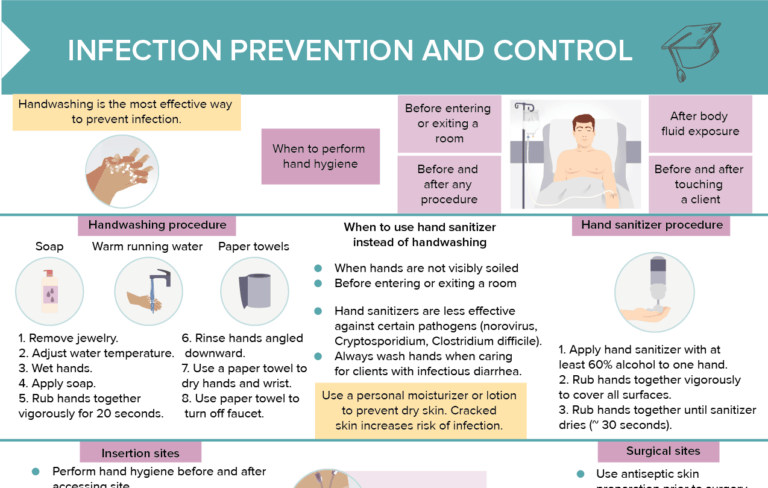
The current response underscores the importance of surveillance at international borders for travelers arriving from areas with active outbreaks. While screening procedures vary by country, the reliance on self-reporting and symptom monitoring remains a cornerstone of global defense against the importation of viral hemorrhagic fevers. The patient’s background as a medical professional likely facilitated early recognition of symptoms, which is a critical factor in successful containment and clinical outcomes.
Global Context of the Current Outbreak
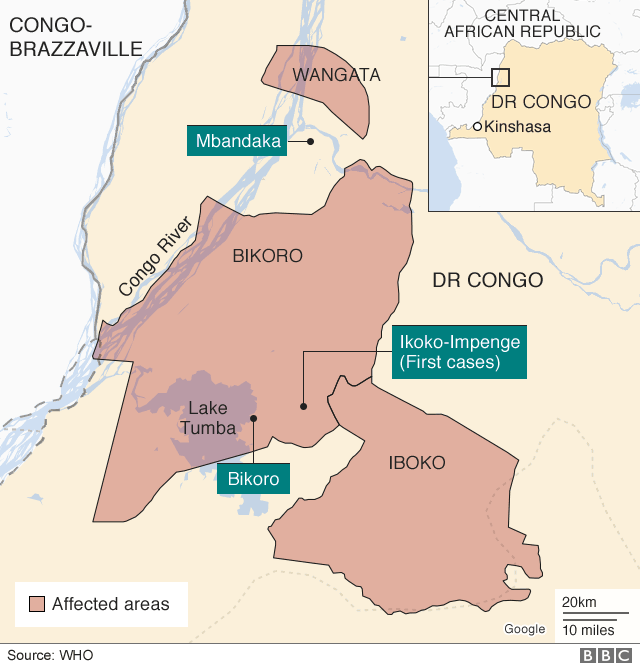
The Democratic Republic of Congo has faced recurring challenges with Ebola outbreaks over the past decade. These outbreaks are often compounded by regional instability, which can hinder vaccination campaigns and the deployment of medical resources. The World Health Organization maintains strict guidelines for the management of these outbreaks, emphasizing the necessity of ring vaccination and community engagement to break chains of transmission. The incident in France serves as a reminder that as long as the virus remains endemic in parts of Central Africa, the potential for sporadic, travel-associated cases in other parts of the world exists.
Medical experts note that the availability of modern therapeutics, such as monoclonal antibodies and vaccines, has drastically changed the prognosis for patients compared to previous decades. Early intervention and supportive care—including fluid resuscitation and electrolyte management—are the gold standards for treatment. The patient’s clinical progress will be monitored by a multidisciplinary team, and updates will be provided by the French Ministry of Health as the situation evolves.
What Happens Next
The French health authorities are expected to provide further updates regarding the patient’s condition and the status of identified contacts in the coming days. The focus remains on preventing secondary transmission and ensuring the patient receives the highest standard of supportive care. For the general public, the risk remains negligible, and no changes to travel advisories or public health measures have been announced at this time. Readers are encouraged to monitor official statements from the French Ministry of Health and Prevention for the most accurate, verified information regarding this development.
As this is a developing situation, we will continue to monitor official reports from health ministries and international bodies. If you have questions about current travel health requirements or symptoms to watch for after returning from high-risk regions, please consult your local health provider or official government health portals. We welcome your questions and encourage you to share this update with those who may be seeking verified information.
Related reading