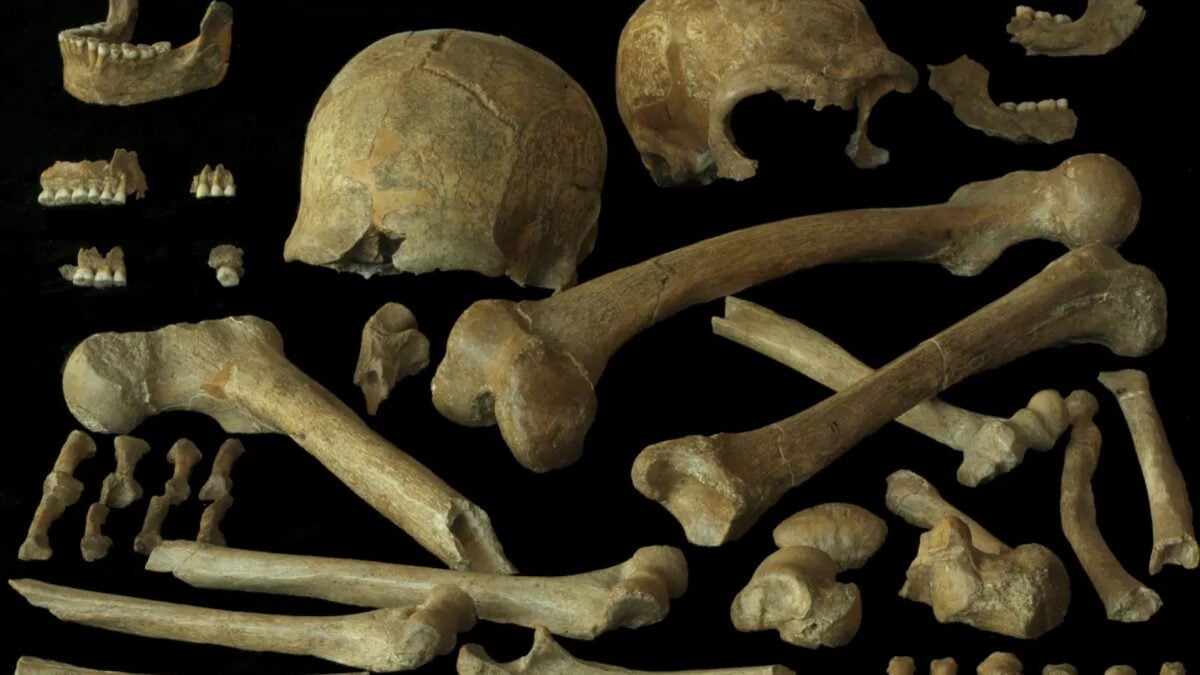
Recent paleoanthropological research suggests that the last Neanderthals were not the isolated, genetically stagnant population previously imagined, but rather members of diverse and well-connected communities. New genomic analysis and archaeological evidence indicate that these ancient hominins maintained complex social networks across Eurasia, challenging long-standing theories that their extinction was solely the result of low genetic diversity or biological inferiority.
The study of Neanderthal population dynamics has shifted significantly as researchers move beyond the “genetic disaster” hypothesis. According to findings published in journals such as Science, the integration of high-coverage genomes from various sites shows that Neanderthal groups were not as inbred as once assumed. Instead, these populations practiced a degree of mobility that allowed for gene flow, suggesting that environmental shifts and competition with modern humans played a more decisive role in their disappearance than internal genetic collapse.
Shifting Perspectives on Neanderthal Social Structure
For decades, the prevailing narrative in human evolution suggested that Neanderthals lived in small, fragmented groups with limited interaction, leading to detrimental levels of inbreeding. However, recent excavations at sites like Chagyrskaya Cave in the Altai Mountains have provided a different view. Genetic data from these remains revealed that the group was highly structured, with evidence of patrilocality—a social system where females moved between groups to join their partners—which served as a natural mechanism to avoid inbreeding, as reported by Nature.
This social connectivity meant that Neanderthals were capable of maintaining long-term population stability despite living in challenging climatic conditions. By sharing genetic material across wide geographic distances, they preserved a level of resilience that would not have been possible in the isolated, “doomed” colonies previously described by earlier 20th-century anthropologists. This connectivity suggests that Neanderthal culture was far more sophisticated in its social organization than previously credited.
The Impact of Environmental and Demographic Pressures
If Neanderthals were not victims of their own genetic failures, why did they go extinct? Current research points toward a combination of rapid climate fluctuations and the arrival of modern humans in Europe approximately 40,000 to 45,000 years ago. According to the Smithsonian National Museum of Natural History, Neanderthals had already adapted to a wide range of environments, but the compounding pressure of changing ecosystems and the competition for resources with Homo sapiens likely pushed them to the margins.
Modern genomic studies also highlight the importance of interbreeding between Neanderthals and early modern humans. Evidence of this hybridization is found in the DNA of non-African populations today, confirming that the two groups interacted frequently. Rather than being a separate, inferior lineage that simply died out, Neanderthals contributed significantly to the genetic makeup of modern humanity, a fact that contradicts the older, more dismissive view of their evolutionary legacy.
Methodology and Future Research Directions
The ability to sequence ancient DNA from fragmented remains has been the primary driver of this scientific pivot. Researchers now utilize advanced bioinformatics to reconstruct population histories from even the smallest samples, such as teeth or bone fragments, as detailed by the Max Planck Institute for Evolutionary Anthropology. These techniques allow scientists to identify specific family relationships and migration patterns that were previously invisible to the naked eye.
As technology continues to advance, the focus of the field is moving toward understanding the cultural and symbolic lives of these hominins. Future excavations are expected to provide more data on the diversity of Neanderthal tool kits and their use of fire and ornamentation. These findings are critical for a holistic understanding of human evolution, as they frame Neanderthals as active participants in the development of prehistoric society rather than mere evolutionary footnotes.

The academic community expects further insights as upcoming genome sequencing projects, scheduled for release throughout the next two years, provide more granular detail on the specific timing of the last Neanderthal disappearances. As data collection continues, researchers encourage open access to these findings to ensure a collaborative effort in mapping the complexities of our shared ancestry. Readers interested in the latest updates can follow the official publications from the Max Planck Institute for Evolutionary Anthropology for verified progress reports.
What are your thoughts on these findings? Join the conversation in the comments section below and share this article to help spread the latest insights on our prehistoric cousins.
Worth a look