
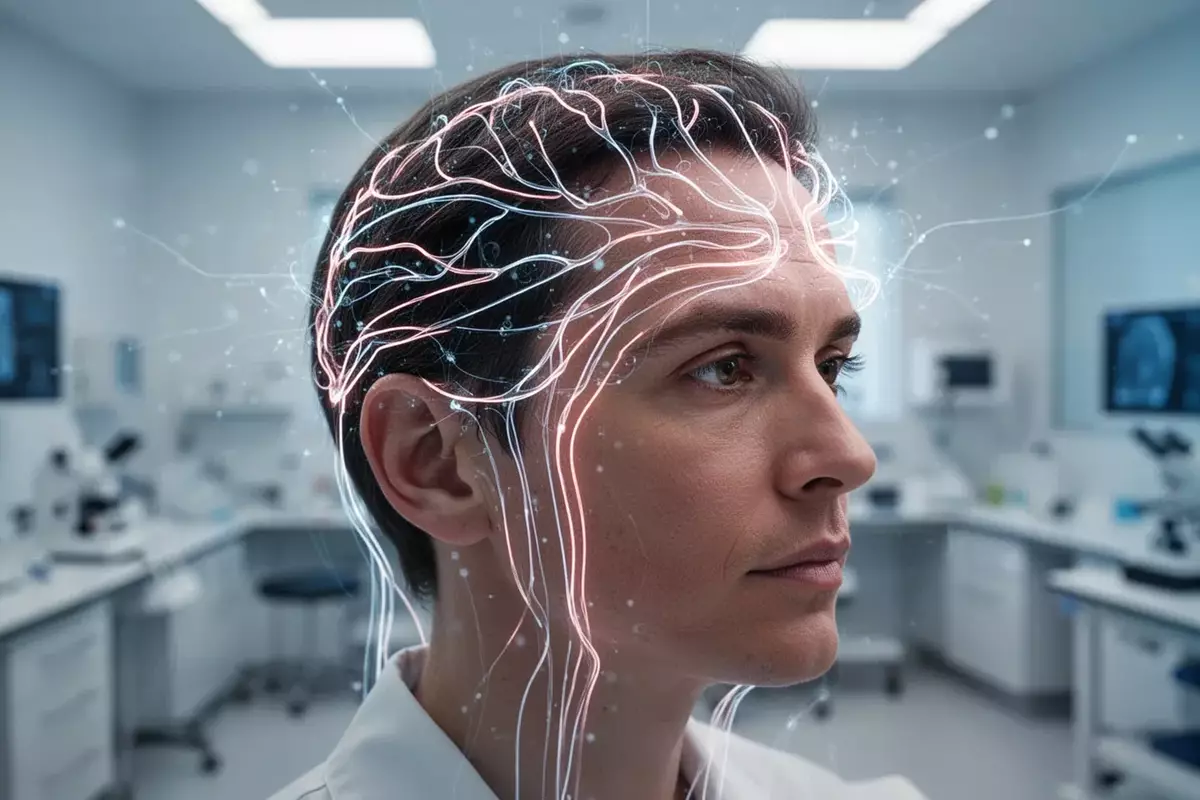
Non-invasive brain stimulation techniques, including Dual-Inhibition-Fast-Stimulation (DIFS™) and transcranial photobiomodulation (tPBM), are emerging as significant clinical interventions for treating chronic insomnia. According to recent data from clinical observations, these neuro-technological approaches offer alternatives to traditional pharmacological treatments by targeting the underlying neural oscillations associated with sleep-wake cycles. As global healthcare systems face a rising prevalence of sleep disorders, medical researchers are increasingly focused on how these digital and physical therapies can modulate brain activity without the systemic side effects often linked to sedative-hypnotic medications.
The primary challenge in treating insomnia remains the high rate of treatment resistance among patients who do not respond to Cognitive Behavioral Therapy for Insomnia (CBT-I) or sleep hygiene modifications. Clinical studies published in journals such as Nature and Science of Sleep highlight that non-invasive brain stimulation (NIBS) aims to restore homeostatic sleep pressure by influencing cortical excitability. While traditional therapies often act on GABAergic receptors, these new methods utilize targeted electromagnetic or light-based signals to encourage the brain’s natural transition into NREM (non-rapid eye movement) sleep states.
Understanding the Mechanism of Brain Stimulation for Sleep
At the center of these developments is the effort to recalibrate the brain’s arousal systems. Techniques like tPBM, which involves the application of near-infrared light to the scalp, are hypothesized to enhance mitochondrial function in neurons, potentially reducing neuro-inflammation and improving cellular energy metabolism. Research from the National Institutes of Health (NIH) indicates that transcranial stimulation can modulate the connectivity between the thalamus and the prefrontal cortex, areas critical for the regulation of wakefulness and attention.

DIFS™ and similar proprietary protocols represent a shift toward personalized neuro-modulation. By measuring individual EEG (electroencephalogram) patterns, clinicians can theoretically tailor stimulation parameters to match a patient’s specific sleep-architecture deficits. Unlike broad-spectrum neuro-stimulation, these targeted approaches seek to address the “hyperarousal” state often present in chronic insomnia patients. According to the Sleep Foundation, the transition toward device-based therapy is being supported by an increasing body of evidence suggesting that stabilizing neural oscillations can lead to sustained improvements in sleep onset latency and total sleep time.
Comparing Emerging Technologies and Digital Therapies
The landscape of sleep medicine is currently divided between hardware-based stimulation and software-driven digital therapeutics. Digital Therapeutics (DTx), which often take the form of smartphone-based applications, have already received regulatory clearance in several jurisdictions for the treatment of insomnia. The integration of these digital platforms with physical hardware like tPBM devices creates a hybrid model of care. The following table illustrates the conceptual differences in these approaches to insomnia management:

| Modality | Primary Mechanism | Delivery Method |
|---|---|---|
| tPBM | Photobiomodulation/Mitochondrial support | Near-infrared light array |
| DIFS™ | Neural oscillation modulation | Electromagnetic field stimulation |
| Digital Therapeutics | Cognitive behavioral restructuring | Mobile/Web application |
While digital therapies have been established as the first-line treatment for chronic insomnia in many clinical guidelines, the addition of physical stimulation devices is intended to provide a “biological boost” to cognitive interventions. According to reports from the Lancet Neurology, the efficacy of combined neuro-modulation and behavioral therapy is currently the subject of several ongoing phase II and III clinical trials aimed at verifying long-term patient outcomes.
Clinical Efficacy and Regulatory Considerations
The adoption of these technologies into standard clinical practice depends heavily on regulatory approval and insurance reimbursement models. In the European Union, devices must comply with the Medical Device Regulation (MDR), which sets rigorous standards for safety and clinical performance. As these technologies gain traction, the medical community is calling for standardized protocols to ensure that patients receive consistent care regardless of the specific brand of stimulation device used.
Physicians emphasize that these methods are not intended to replace comprehensive medical evaluations. Insomnia can often be a secondary symptom of underlying conditions such as sleep apnea, restless leg syndrome, or depression. Before initiating neuro-stimulation, clinicians typically require a polysomnography (PSG) test, which is considered the gold standard for diagnosing sleep disorders, as noted by the American Academy of Sleep Medicine (AASM). The integration of these new techniques into primary care will require a multidisciplinary approach, involving neurologists, sleep specialists, and primary care physicians.
What Happens Next in Neuro-Sleep Research
The next major checkpoint for the field involves the publication of large-scale, multi-center randomized controlled trials (RCTs) that will compare the efficacy of brain stimulation against placebo devices. These studies are expected to provide the definitive data required for broader clinical adoption and potential inclusion in international insurance coverage policies. Researchers are also looking into the potential for “at-home” stimulation devices, though these require significant regulatory oversight to ensure patient safety and data privacy.

As the field evolves, patients are encouraged to consult with board-certified sleep specialists before attempting any unverified stimulation protocols. Updates regarding clinical trial results and regulatory status will be available through national health authorities and peer-reviewed medical databases. We welcome your experiences and questions regarding these new therapeutic pathways in the comments section below.