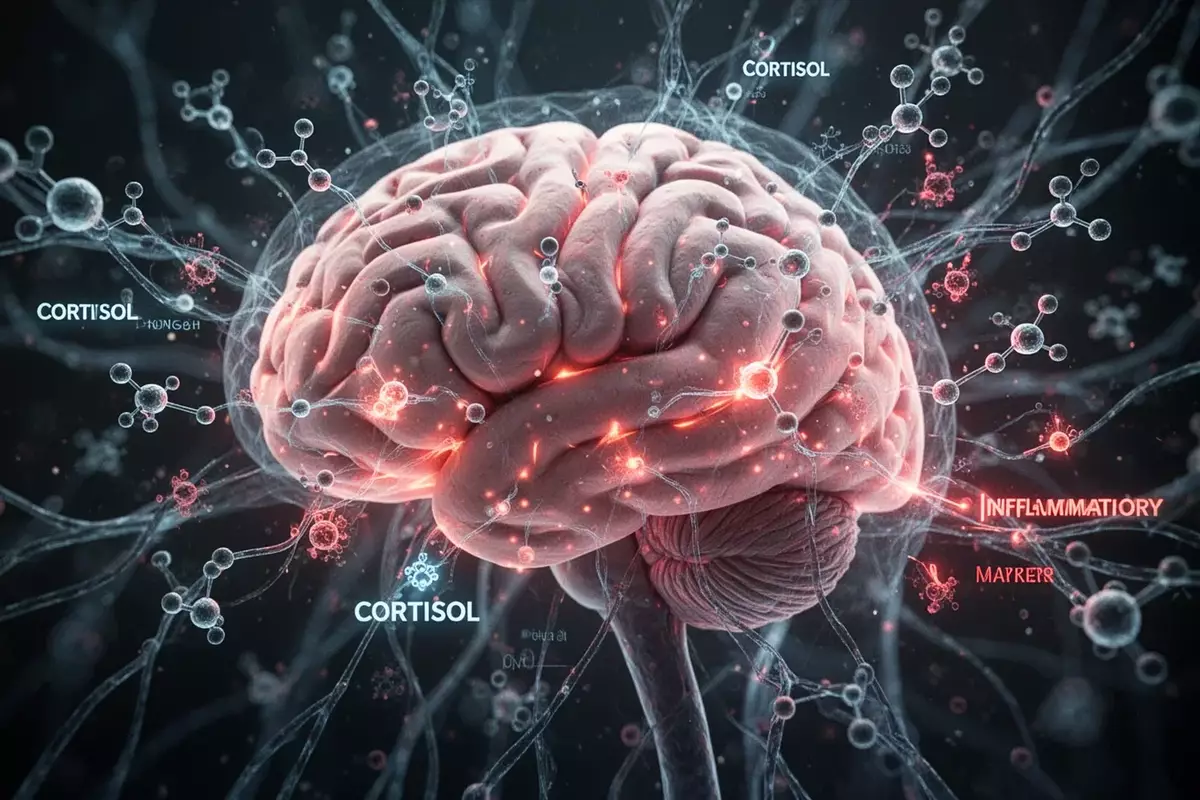
Biological Aging: How Metabolic Syndrome and Lifestyle Accelerate Brain Aging and Alzheimer’s Risk
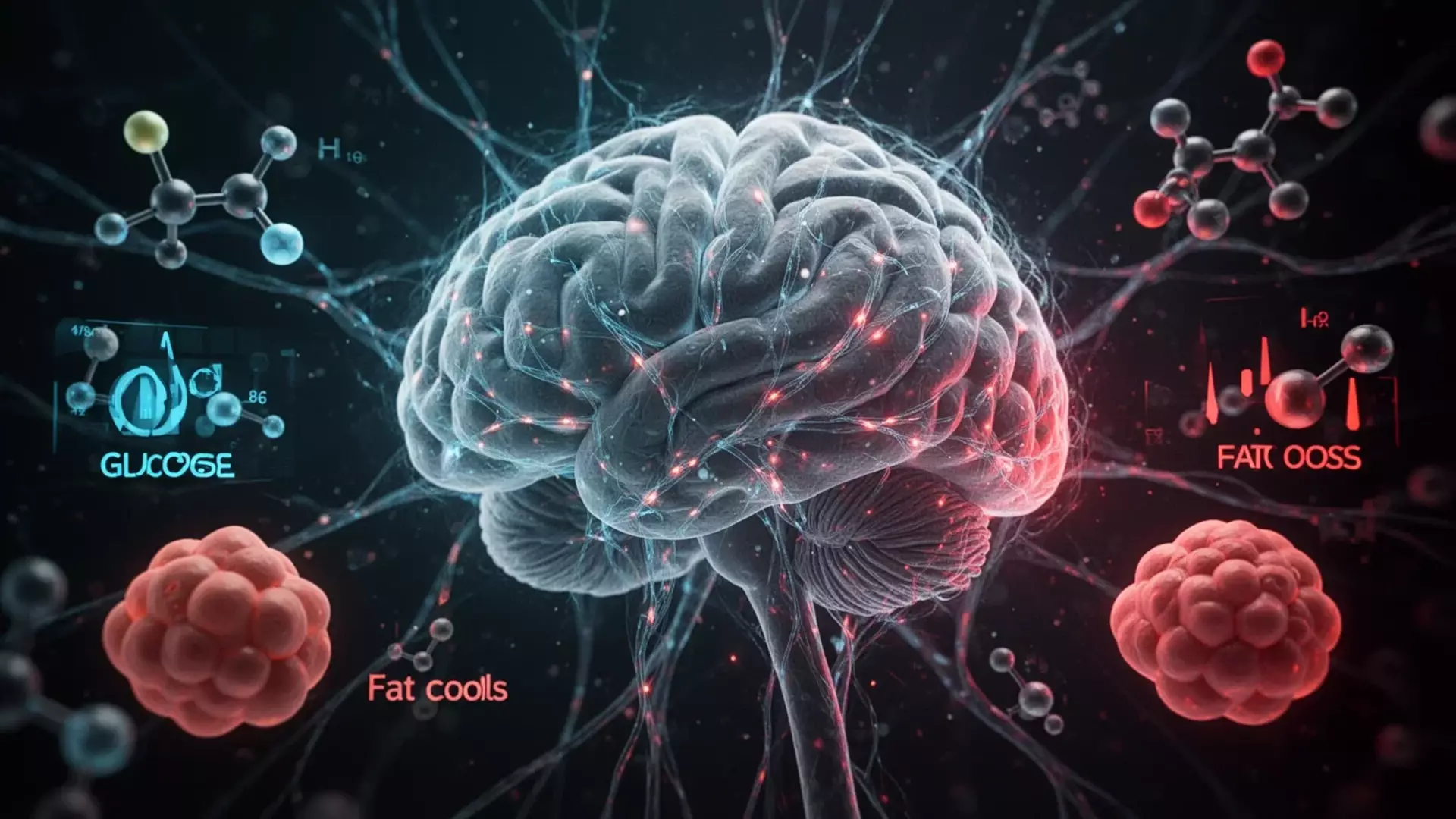
Research indicates that individuals diagnosed with metabolic syndrome may experience an accelerated rate of brain aging, with some markers suggesting a trajectory up to 92% faster than those without the condition. Recent observational studies suggest that maintaining healthy blood pressure and glucose levels in midlife can significantly preserve cognitive function into later years. For a … Read more
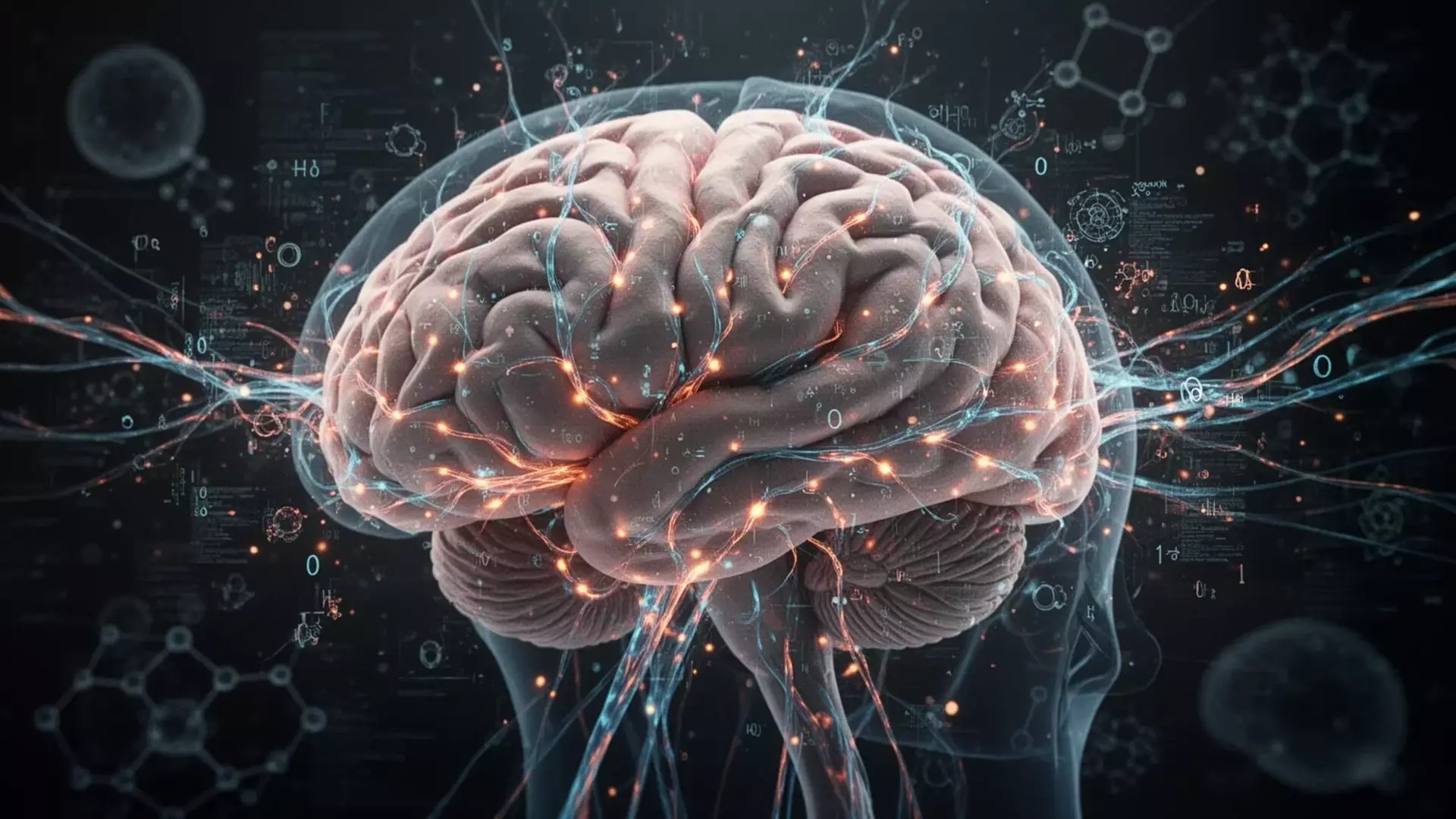

Gehirnforschung: Menschliche Neuronen sind 70% komplexer als bei Ratten – ad-hoc-news.de

Recent neurobiological research indicates that human pyramidal neurons in the prefrontal cortex exhibit significantly higher structural complexity compared to their counterparts in rats. A study published in the journal Cerebral Cortex suggests that these human neurons possess longer dendrites and a higher density of dendritic spines—the structures responsible for receiving synaptic inputs—than those found in … Read more

Ovarian Cancer: New PARP Therapy Can Be Discontinued After 7.5 Years

Long-term maintenance treatment with PARP inhibitors for patients with advanced ovarian cancer may be safely discontinued after seven and a half years, according to new clinical findings presented at the European Society for Medical Oncology (ESMO) Congress. This data provides a significant clinical benchmark for clinicians managing patients who have achieved long-term remission through targeted … Read more

Digital Device Use May Lower Cognitive Decline Risk: Analysis of 57 Studies (411K+ Adults Over 50)

Regular use of digital devices like smartphones and laptops may reduce cognitive decline by up to 25% in adults over 50, according to a meta-analysis of 57 studies involving more than 411,000 participants published in the Journal of Alzheimer’s Disease and Nature Aging. The findings, reviewed by the Alzheimer’s Association and National Institute on Aging, … Read more

Non-Invasive Brain Stimulation: New Frontiers in Treating Sleep Disorders

Non-invasive brain stimulation techniques, including Dual-Inhibition-Fast-Stimulation (DIFS™) and transcranial photobiomodulation (tPBM), are emerging as significant clinical interventions for treating chronic insomnia. According to recent data from clinical observations, these neuro-technological approaches offer alternatives to traditional pharmacological treatments by targeting the underlying neural oscillations associated with sleep-wake cycles. As global healthcare systems face a rising prevalence … Read more

Neurosteroids Protect Nerve Tissue: A Potential Alternative to Opioids for Chronic Pain

Researchers are investigating the role of neurosteroids as a potential alternative to traditional opioid-based pain management for chronic conditions, focusing on their ability to protect nerve tissue rather than merely masking pain signals. Unlike conventional analgesics that often carry significant risks of dependency and systemic side effects, these endogenous compounds interact directly with the nervous … Read more

Herzgesundheit: Heimmonitoring senkt Infarkt-Risiko um 34 Prozent – AD HOC NEWS

Recent clinical evidence suggests that consistent remote patient monitoring can significantly improve cardiovascular outcomes, with some data indicating a potential 34 percent reduction in the risk of myocardial infarction among patients managing hypertension. This approach, which involves the regular transmission of blood pressure readings from a patient’s home to their medical provider, has become a … Read more

99% of Heart Attacks and Strokes Are Preventable: The 4 Key Risk Factors You Need to Know

Most cardiovascular events, including heart attacks and strokes, are preventable by managing four primary modifiable risk factors: hypertension, high cholesterol, diabetes, and lifestyle habits. While biological factors like age and genetics cannot be altered, medical consensus indicates that controlling these specific drivers can significantly reduce the likelihood of life-threatening cardiac incidents. Cardiovascular disease remains the … Read more

Strength Training Twice a Week Can Reduce Dementia Risk

As we continue to navigate the complexities of aging in the 21st century, the intersection of physical activity and cognitive longevity has become a cornerstone of public health discourse. Recent clinical inquiries suggest that simple, consistent lifestyle modifications may play a pivotal role in preserving brain health. Specifically, the relationship between resistance training and dementia … Read more

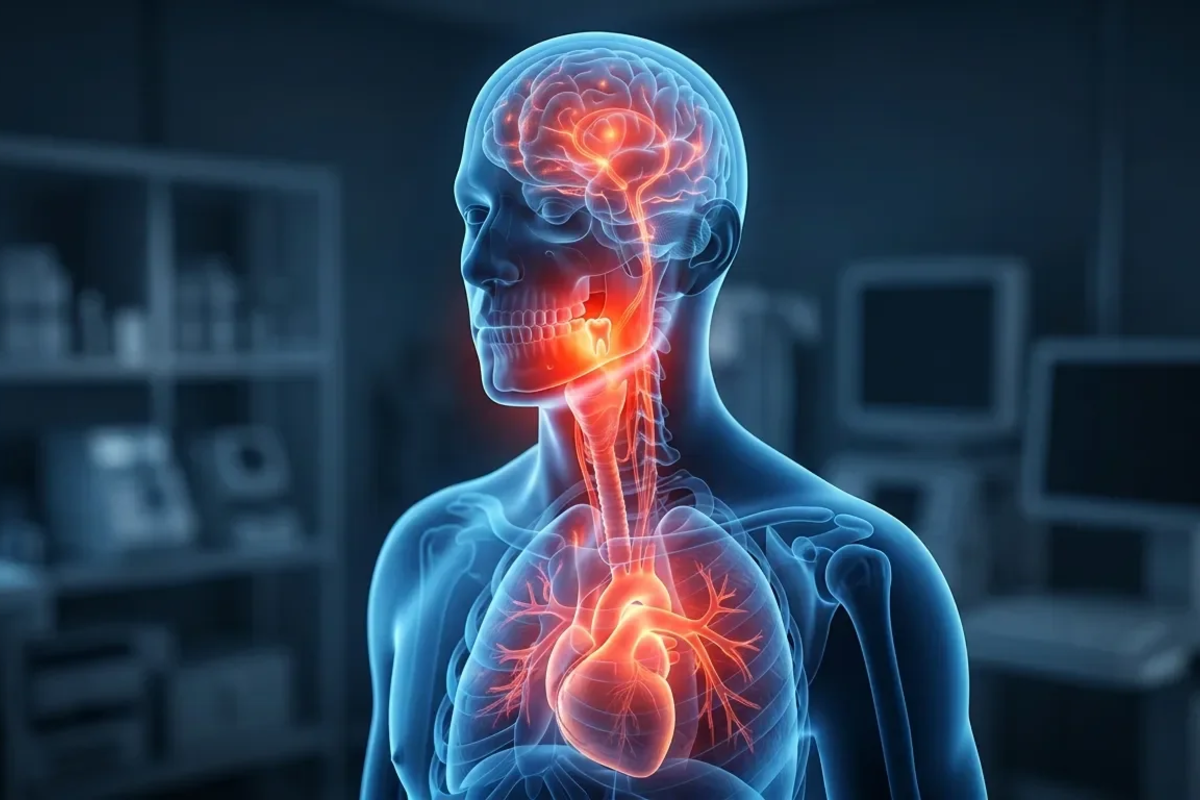
Periodontitis and Health Risks: How Gum Disease Increases Heart Attack, Diabetes, and Alzheimer’s Risk

For years, the connection between our oral health and our systemic well-being has been a subject of intense scientific scrutiny. As a physician, I have often reminded my patients that the mouth is not an isolated entity, but rather a gateway to the rest of the body. Recent clinical research has increasingly highlighted that periodontitis—a … Read more