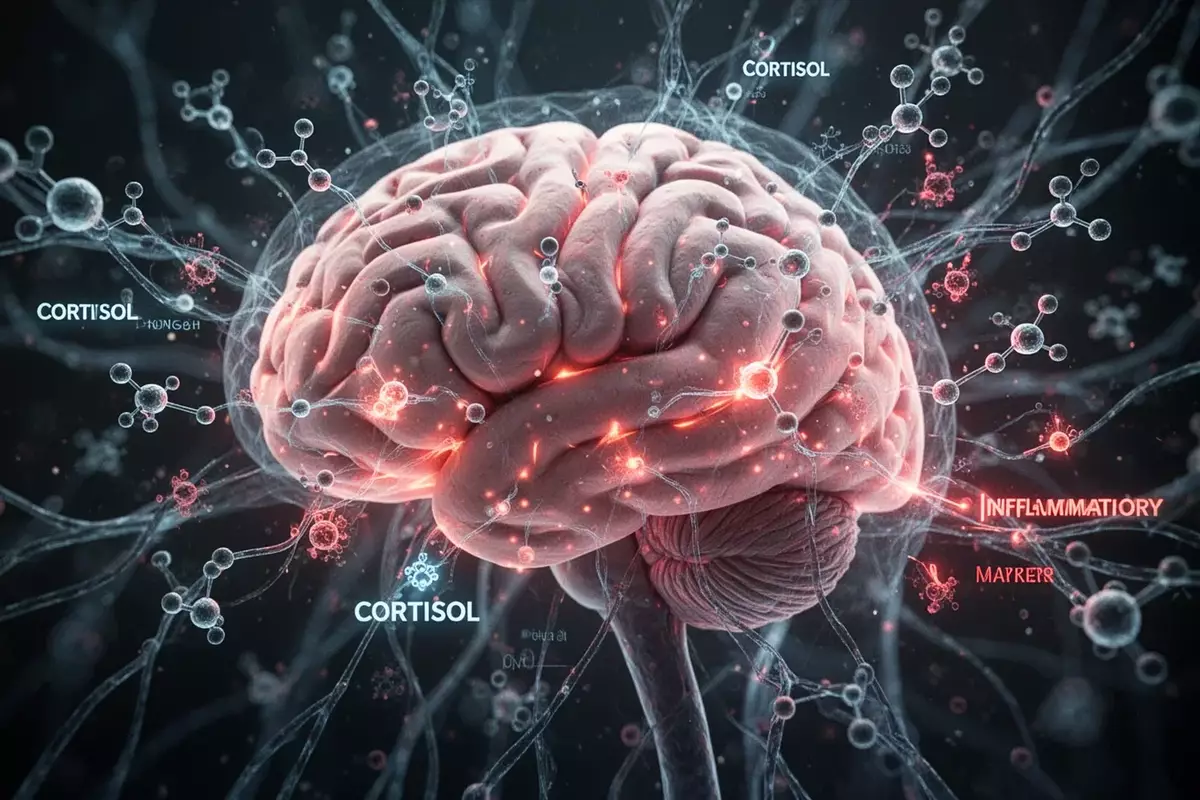
Researchers are investigating the role of neurosteroids as a potential alternative to traditional opioid-based pain management for chronic conditions, focusing on their ability to protect nerve tissue rather than merely masking pain signals. Unlike conventional analgesics that often carry significant risks of dependency and systemic side effects, these endogenous compounds interact directly with the nervous system to modulate inflammatory responses and support cellular integrity, according to recent findings in molecular neurology.
Chronic pain affects approximately 20% of the global adult population, creating a significant demand for therapies that address the underlying pathology of nerve damage rather than just symptom management, as noted by the World Health Organization. The shift toward neurosteroid research represents a broader move in medical science to explore endogenous pathways—compounds naturally produced within the body—to treat persistent pain syndromes. This approach seeks to minimize the reliance on pharmacological agents that can lead to adverse events, such as respiratory depression or opioid use disorder.
Mechanisms of Neurosteroids in Nerve Protection
Neurosteroids, such as allopregnanolone and dehydroepiandrosterone (DHEA), are synthesized within the central and peripheral nervous systems. Unlike hormones produced in endocrine glands, these compounds act locally to influence neuronal excitability and synaptic plasticity. Research published in Nature Translational Psychiatry highlights how these molecules bind to specific receptors in the brain and spinal cord to dampen hyperexcitability, a hallmark of chronic pain states. By stabilizing these neural pathways, neurosteroids may prevent the structural degradation of nerve fibers that typically occurs during prolonged inflammatory episodes.
The therapeutic potential of these compounds lies in their dual action: they provide an analgesic effect while simultaneously exerting neuroprotective properties. In preclinical models, the application of neurosteroids has been observed to reduce the activation of glial cells, which are immune cells in the nervous system that contribute to the maintenance of chronic pain. By modulating these cells, the treatment targets the root cause of pain amplification, a strategy that differs fundamentally from the mechanism of action of systemic opioids, which primarily target opioid receptors to inhibit pain signal transmission without addressing tissue damage.
Clinical Implications and the Opioid Crisis
The reliance on opioids for the long-term management of non-cancer chronic pain has been identified as a major driver of the ongoing opioid epidemic. According to the Centers for Disease Control and Prevention (CDC), the medical community has increasingly sought non-opioid alternatives to mitigate the risk of addiction and overdose. Neurosteroid-based treatments are currently being evaluated for their ability to provide sustained pain relief without the high-risk profiles associated with Schedule II substances.
For patients suffering from neuropathic pain or post-surgical chronic pain, the transition to neurosteroid-based therapies could represent a significant change in standard care protocols. Clinical investigations are focused on determining the optimal delivery mechanisms for these compounds. Because neurosteroids are naturally synthesized by the body, the primary challenge remains developing synthetic analogs that can be administered effectively while maintaining a favorable safety profile. Current clinical trials are assessing whether these compounds can be synthesized to provide targeted relief at the site of nerve injury, thereby reducing the systemic exposure often required by traditional medications.
Future Directions in Pain Management
The integration of neurosteroid therapy into clinical practice requires further validation through human randomized controlled trials to establish efficacy, dosage, and long-term safety. While initial laboratory data are promising, translating these findings into viable medical interventions involves rigorous oversight by regulatory bodies such as the European Medicines Agency (EMA). Researchers are currently mapping out phase-specific studies to identify the patient populations that would benefit most from this targeted approach to nerve protection.

The shift toward neurosteroid research underscores the complexity of treating chronic pain, which is increasingly viewed not as a single symptom but as a multifaceted disease of the nervous system. As the medical community continues to refine these therapies, the goal remains the development of treatments that restore nerve health and improve quality of life while eliminating the risks associated with conventional pain management. Further updates regarding clinical trial recruitment and results are expected to be published through official medical registries in the coming months. We invite our readers to share their thoughts on these emerging therapies in the comments below.
Worth a look