
For years, the connection between our oral health and our systemic well-being has been a subject of intense scientific scrutiny. As a physician, I have often reminded my patients that the mouth is not an isolated entity, but rather a gateway to the rest of the body. Recent clinical research has increasingly highlighted that periodontitis—a severe form of gum disease—is far more than a local dental concern; It’s a systemic inflammatory condition with profound implications for cardiovascular health and beyond.
The link between periodontal disease and heart health is no longer a matter of mere speculation. Leading medical organizations, including the American Heart Association, have acknowledged that individuals with periodontitis may face an elevated risk of cardiovascular events. While the exact biological mechanisms continue to be mapped out, the prevailing theory centers on the role of chronic, low-grade systemic inflammation triggered by oral bacteria entering the bloodstream.
Understanding the Pathophysiology: Why Oral Health Matters
Periodontitis occurs when inflammation of the gums—gingivitis—progresses to the point where the bone and tissues supporting the teeth are destroyed. This process creates deep pockets between the teeth and gums, which become reservoirs for pathogenic bacteria. When these bacteria, along with their inflammatory byproducts, migrate into the bloodstream, they can induce a systemic immune response. This chronic inflammatory state is believed to contribute to the development of atherosclerosis, the hardening and narrowing of the arteries, which is a primary driver of heart attacks and strokes.
According to data published by the Centers for Disease Control and Prevention (CDC), nearly half of all adults aged 30 and older in the United States have some form of periodontal disease, with the prevalence increasing significantly in older populations. This widespread nature of the condition makes its systemic links a critical public health concern rather than just a dental hygiene issue.
The Cardiovascular Connection: Quantifying the Risk
Research published in various high-impact peer-reviewed journals has sought to quantify the extent to which gum disease elevates the risk of heart disease. While headlines often cite broad multipliers, the medical reality is nuanced. A meta-analysis published in Cardiovascular Research suggests that patients with severe periodontitis have a significantly higher incidence of major adverse cardiovascular events compared to those with healthy gingival tissue. The inflammation caused by the body’s attempt to fight off oral pathogens is thought to increase levels of C-reactive protein (CRP), a well-established biomarker for cardiovascular risk.
It is crucial to clarify that “correlation does not imply causation.” While the statistical link is robust, researchers are still working to determine the extent to which treating periodontitis directly reduces the risk of a first-time cardiac event. Currently, the consensus among dental and medical professionals is that maintaining optimal oral hygiene is a vital component of a comprehensive heart-healthy lifestyle, alongside diet, exercise, and smoking cessation.
Beyond the Heart: Diabetes and Cognitive Health
The systemic impact of periodontal inflammation extends well beyond the cardiovascular system. There is a well-documented, bidirectional relationship between periodontitis and diabetes. Individuals with diabetes are more susceptible to severe gum disease, and conversely, severe periodontitis can make glycemic control more challenging for diabetic patients. The American Diabetes Association emphasizes that managing oral health is an essential part of effective diabetes management.
Regarding cognitive health, the field is currently witnessing an influx of research exploring the potential role of oral bacteria in neurodegenerative conditions, including Alzheimer’s disease. Some studies have identified the presence of Porphyromonas gingivalis—a key pathogen in periodontitis—in the brains of patients with Alzheimer’s. However, it is imperative to note that this research is in its nascent stages. While these findings are compelling, they do not currently establish that gum disease is a direct cause of dementia, and more longitudinal human studies are required before definitive conclusions can be drawn.
Practical Steps for Patient Care
As we look toward the 2025/2026 clinical landscape, the integration of dentistry and general medicine—often referred to as “interprofessional care”—is expected to become a standard of practice. For patients, this means that your primary care physician and your dentist should be communicating about your health status.
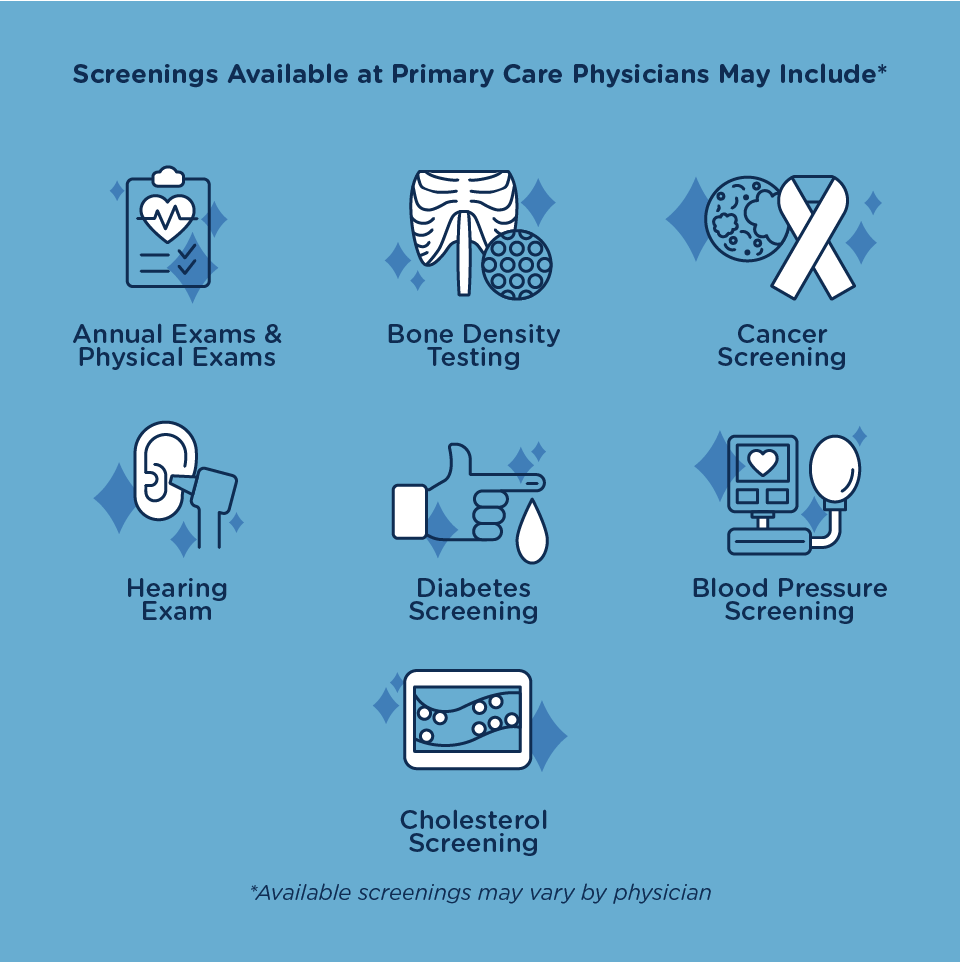
Key Takeaways for Maintaining Oral and Systemic Health:
- Consistent Hygiene: Brush twice daily with fluoride toothpaste and clean between teeth daily using floss or interdental brushes.
- Regular Screenings: Do not skip dental checkups. Periodontitis is often “silent” in its early stages; professional probing is the only way to detect pocket depth changes.
- Monitor Systemic Symptoms: If you are managing diabetes or cardiovascular conditions, inform your dentist. These conditions can alter your body’s response to oral infections.
- Avoid Tobacco: Smoking is one of the most significant risk factors for the progression of periodontitis and interferes with the healing process of gum tissue.
For the latest updates on public health guidance regarding oral systemic links, I recommend consulting the resources provided by the World Health Organization, which provides global perspectives on the burden of oral diseases. As further clinical data emerges throughout the coming year, we will continue to monitor these developments to provide you with the most accurate, evidence-based guidance available.
Have you discussed your oral health with your primary care provider recently? I invite you to share your experiences or questions in the comments section below. Your engagement helps us foster a more informed community.
Keep reading