
Most cardiovascular events, including heart attacks and strokes, are preventable by managing four primary modifiable risk factors: hypertension, high cholesterol, diabetes, and lifestyle habits. While biological factors like age and genetics cannot be altered, medical consensus indicates that controlling these specific drivers can significantly reduce the likelihood of life-threatening cardiac incidents.
Cardiovascular disease remains the leading cause of death globally, yet the majority of these deaths are linked to factors within a patient’s control. Recent public health discussions emphasize that the prevention of heart attacks and strokes centers on the aggressive management of metabolic and physiological markers. By addressing these core areas, individuals can drastically alter their long-term health trajectories.
Medical experts from organizations such as the World Health Organization (WHO) emphasize that while the exact percentage of preventable cases varies by population, the focus on modifiable risks is the cornerstone of modern preventative cardiology. The transition from reactive treatment to proactive prevention is now considered the most effective method for reducing the global burden of heart disease.
What are the four primary drivers of cardiovascular risk?
Clinical research identifies four central pillars that contribute to the development of atherosclerosis and subsequent cardiovascular events. Managing these factors does not just lower individual risk; it addresses the root causes of vascular damage.
1. Hypertension (High Blood Pressure): Persistent high pressure against arterial walls causes structural damage over time. This damage makes it easier for plaque to accumulate, narrowing the arteries and increasing the workload on the heart.
2. Dyslipidemia (High Cholesterol): Specifically, elevated levels of low-density lipoprotein (LDL) cholesterol contribute to the buildup of fatty deposits in the arteries. According to the American Heart Association (AHA), managing LDL levels is critical to preventing the blockages that cause heart attacks.
3. Diabetes and Blood Sugar Regulation: High glucose levels in the bloodstream can damage blood vessels and the nerves that control the heart. Individuals with diabetes are at a significantly higher risk of cardiovascular complications due to the systemic impact of hyperglycemia on vascular integrity.
4. Lifestyle Factors: This category includes tobacco use, physical inactivity, and poor dietary patterns. Smoking, in particular, introduces toxins that immediately damage the lining of the blood vessels and accelerate the hardening of the arteries.
How does hypertension impact heart health?
Hypertension is often referred to as a “silent killer” because it frequently presents no outward symptoms while causing internal damage. When blood pressure remains consistently above the recommended threshold—typically defined as 130/80 mmHg by many modern guidelines—the mechanical stress on the endothelium, the inner lining of the blood vessels, increases.
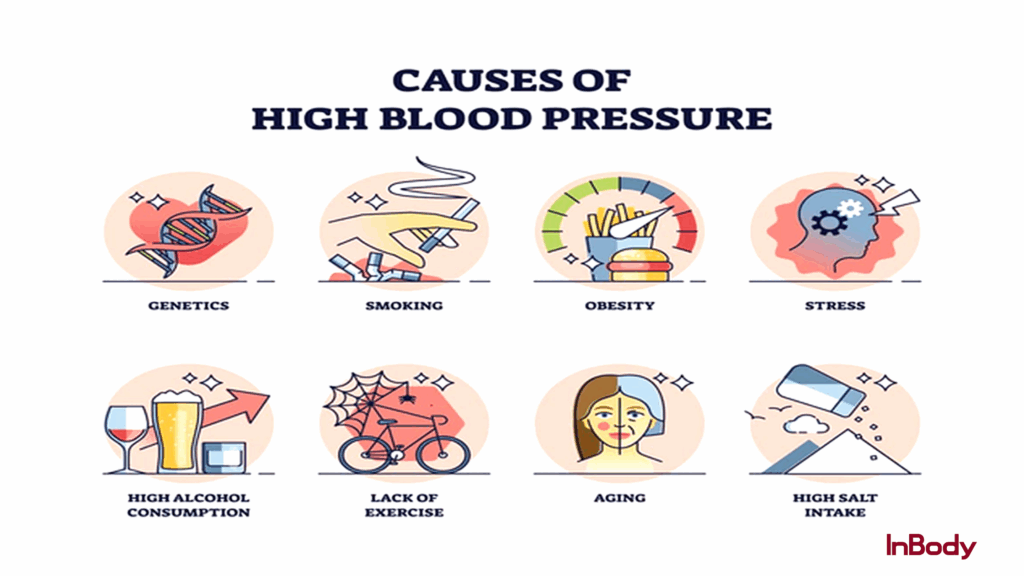
This constant pressure causes the arteries to lose their elasticity, a condition known as arteriosclerosis. As the vessels stiffen, the heart must pump harder to circulate blood, which can lead to left ventricular hypertrophy, or an enlargement of the heart muscle. This enlargement eventually weakens the heart, increasing the risk of heart failure. Effective management often requires a combination of sodium reduction, regular aerobic exercise, and, when necessary, pharmacological interventions such as ACE inhibitors or calcium channel blockers.
Why is cholesterol management critical for prevention?
Cholesterol is a lipid necessary for various bodily functions, but its distribution within the blood is vital. The primary concern for heart attack prevention is the ratio of LDL to HDL (high-density lipoprotein) cholesterol. LDL is often termed “bad” cholesterol because it transports fat to the arteries, whereas HDL helps remove it.
When LDL levels are too high, these particles penetrate the damaged arterial walls, triggering an inflammatory response. This process leads to the formation of plaque, a mixture of fat, cholesterol, and calcium. Over time, this plaque can rupture. When a rupture occurs, a blood clot forms at the site to repair the damage, which can instantly block blood flow to the heart muscle, resulting in a myocardial infarction, or heart attack.
Clinical guidelines suggest that prevention involves both dietary changes—such as reducing saturated and trans fats—and, for many at high risk, the use of statins to inhibit the liver’s production of cholesterol.
The connection between diabetes and vascular health
Diabetes mellitus, particularly Type 2, creates a high-risk environment for the cardiovascular system. Chronic high blood sugar levels lead to the formation of advanced glycation end-products (AGEs), which damage the proteins that maintain the structure and function of blood vessels.

This damage facilitates the progression of atherosclerosis and impairs the body’s ability to regulate blood pressure. Furthermore, diabetes often coexists with other metabolic issues, such as obesity and dyslipidemia, creating a “synergistic risk” where the presence of multiple conditions multiplies the overall danger to the heart. Managing glycemic control through diet, insulin sensitivity improvements, and regular monitoring is essential for reducing these risks.
How lifestyle changes impact long-term outcomes
While clinical interventions are necessary for many, lifestyle modifications remain the most fundamental tool for heart attack prevention. These changes work by addressing the underlying metabolic processes that drive the four risk factors mentioned above.
- Smoking Cessation: Quitting smoking is perhaps the single most effective way to reduce cardiovascular risk. It immediately improves blood oxygen levels and begins to repair the endothelial lining of the arteries.
- Physical Activity: Regular exercise helps lower blood pressure, improves cholesterol profiles, and enhances insulin sensitivity. The European Society of Cardiology (ESC) recommends consistent moderate-to-vigorous aerobic activity to maintain vascular health.
- Nutritional Quality: Diets rich in whole grains, lean proteins, vegetables, and healthy fats (such as those found in the Mediterranean diet) have been shown to reduce systemic inflammation and stabilize blood pressure.
- Weight Management: Reducing excess visceral fat helps decrease the metabolic strain on the heart and improves the body’s ability to regulate glucose and lipids.
Comparison of Risk Factors: Modifiable vs. Non-Modifiable
Understanding which factors can be changed versus which are inherent is essential for realistic preventative planning. While non-modifiable factors set the baseline, modifiable factors determine the actualized risk.
| Risk Category | Factor | Actionable Strategy |
|---|---|---|
| Modifiable | Hypertension | Sodium reduction, medication, exercise |
| Modifiable | High Cholesterol | Dietary changes, statin therapy |
| Modifiable | Diabetes | Glucose monitoring, weight management |
| Modifiable | Smoking/Tobacco | Cessation programs, nicotine replacement |
| Non-Modifiable | Age | Regular medical screenings |
| Non-Modifiable | Genetics/Family History | Early intervention and monitoring |
| Non-Modifiable | Biological Sex | Gender-specific health assessments |
Frequently Asked Questions
Can I prevent a heart attack if I have a strong family history of heart disease?
Yes. While you cannot change your genetic predisposition, you can significantly mitigate the risk by aggressively managing your modifiable factors. Maintaining optimal blood pressure, cholesterol, and glucose levels can often offset the increased risk presented by genetics.

Is diet alone enough to manage cardiovascular risk?
For many, diet is a foundational component, but it is often not sufficient on its own, especially if there is a significant genetic component or advanced arterial damage. Medical management, including physical activity and potentially medication, is frequently required to achieve safe physiological targets.
How often should I have my cardiovascular risk factors checked?
Medical professionals generally recommend regular screenings for blood pressure, cholesterol, and blood glucose. The frequency depends on your age, existing health conditions, and previous test results. Most adults should have a baseline assessment in their early adulthood and follow up according to their physician’s guidance.
Effective prevention requires a proactive approach to health monitoring. Patients are encouraged to consult with a healthcare provider to establish a personalized risk profile and a management plan tailored to their specific physiological needs.
Please share this article with your network to promote heart health awareness, and leave a comment below with your thoughts on cardiovascular prevention.
Worth a look