
The International Maritime Organization (IMO) has warned that the evacuation of approximately 11,000 seafarers currently stranded in the Persian Gulf and near the Strait of Hormuz could take several weeks to complete. This logistical challenge follows heightened regional tensions that have disrupted standard maritime operations and created significant uncertainty for commercial shipping crews caught in the transit zone, according to official reports from the IMO secretariat.
The situation remains fluid as international maritime authorities coordinate with regional stakeholders to ensure the safety of personnel who have been unable to continue their voyages due to security concerns. While some vessels have begun moving through the Strait of Hormuz under established safety protocols, the sheer scale of the humanitarian and logistical operation—involving thousands of crew members across multiple nationalities and shipping companies—necessitates a phased approach to prevent further congestion and ensure the protection of the mariners involved, as noted by maritime logistics experts monitoring the transit corridors.
Challenges in Maritime Evacuation Logistics
The primary hurdle facing the evacuation effort is the complexity of international maritime law and the necessity of securing safe passage through one of the world’s most critical “chokepoints” for global energy supplies. According to the International Maritime Organization, the process of rotating crews or facilitating vessel departures requires meticulous synchronization between flag states, port authorities, and the naval forces currently patrolling the region. These operations are governed by the United Nations Convention on the Law of the Sea (UNCLOS), which mandates that coastal states must not hamper the innocent passage of foreign ships, yet the current geopolitical environment has complicated the practical application of these mandates.
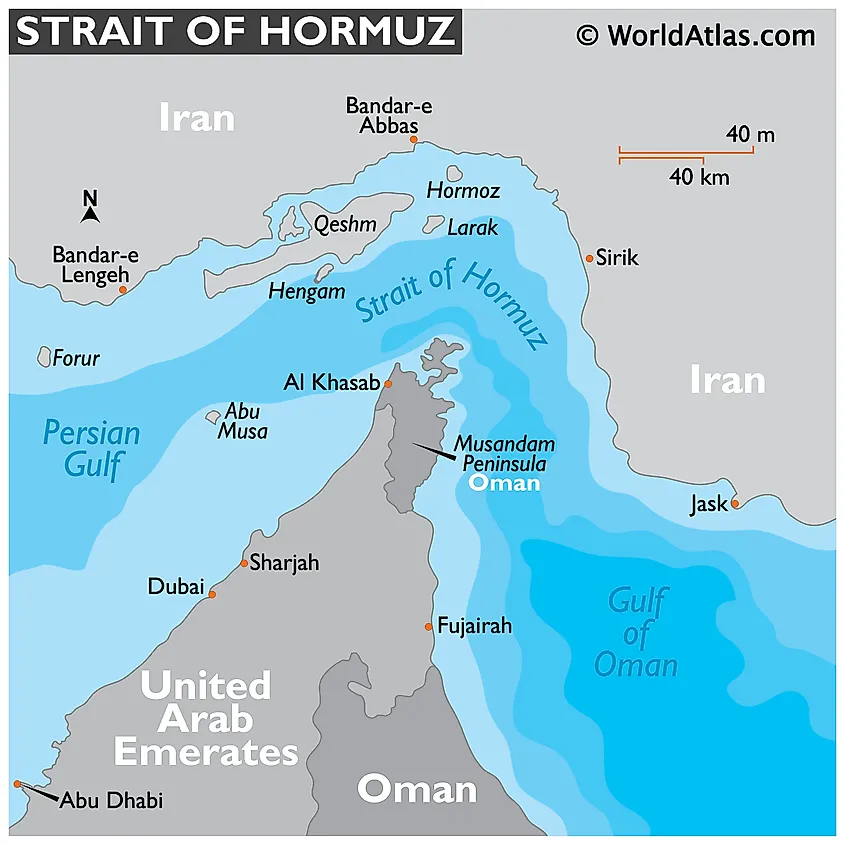
Industry analysts indicate that the delay is not merely a matter of administrative processing but a result of the extreme caution required when navigating high-risk waters. Shipping companies are currently balancing the need to honor commercial contracts with the Maritime Labour Convention (MLC), which outlines the rights of seafarers to be repatriated at the end of their contracts. The current disruption has resulted in many crews remaining on board far beyond their scheduled tenure, raising concerns about crew fatigue and mental health, as documented by the International Chamber of Shipping.
Geopolitical Pressures and Transit Security
The difficulty of the evacuation is compounded by the broader diplomatic standoff regarding the nuclear deal and regional security pacts. Recent statements from international political leaders have underscored the volatility of the situation, with calls for an immediate resolution to negotiations to stabilize the maritime environment. As reported by international news wires covering regional security, the presence of military assets from various nations in the Strait of Hormuz creates a dense security architecture that complicates even routine commercial transit.
The Strait of Hormuz serves as a vital artery for approximately 20% of the world’s petroleum consumption, making any delay in shipping a matter of global economic concern. The U.S. Energy Information Administration classifies the strait as the world’s most important oil transit chokepoint. Because of this, the safety of the 11,000 seafarers is inextricably linked to the broader diplomatic efforts to prevent the escalation of hostilities, which would otherwise threaten the free flow of commerce through the Gulf.
What Happens Next for Stranded Crews
The IMO and affiliated maritime agencies are expected to provide further updates on the transition as the phased evacuation progresses. For shipping companies and family members seeking information, the primary point of contact remains the IMO’s official maritime safety committee bulletins, which are updated to reflect changes in navigation advisories and security zones. The current timeline of “several weeks” is an estimate provided by officials, subject to change based on any shifts in the regional security posture.
Future developments will likely hinge on the success of diplomatic channels in de-escalating the presence of non-commercial vessels in the primary shipping lanes. Observers are advised to monitor official notices to mariners (NOTAMs) issued by regional maritime authorities, as these documents provide the most granular, real-time data on transit permissions. We will continue to track this situation as further information becomes available from official maritime safety bodies. Please share your thoughts or questions in the comments section below, and stay tuned for the next update on this developing story.
Worth a look