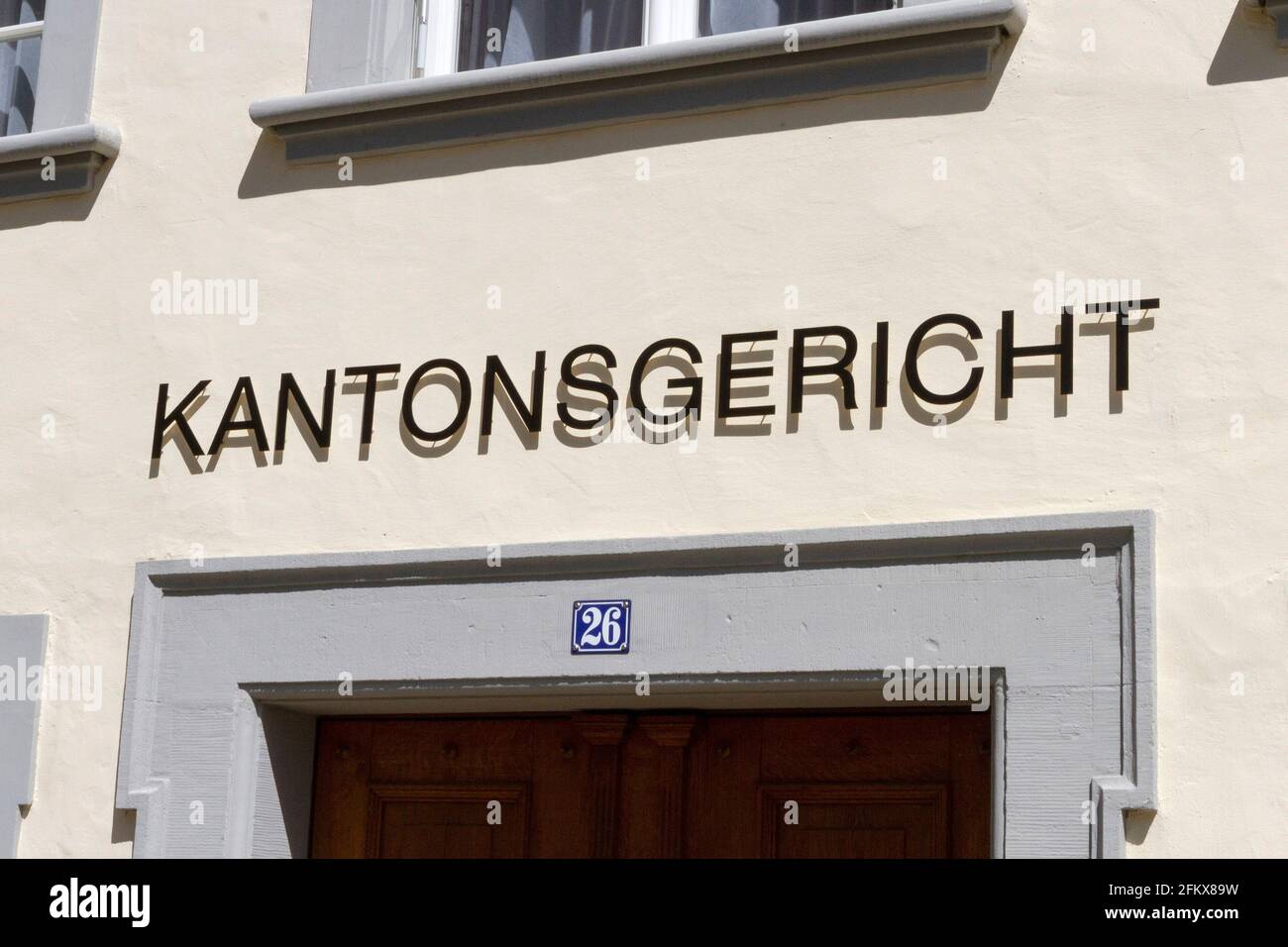
The Schaffhausen Cantonal Court has handed down a criminal conviction to a former employee of a COVID-19 vaccination center for the systematic issuance of fraudulent vaccination certificates. According to official court records, the individual facilitated the creation of hundreds of illicit documents in exchange for monetary payment during the 2021 pandemic period, marking a significant breach of public health security protocols in Switzerland.
The judicial ruling, which addresses a series of criminal charges related to document forgery and corruption, underscores the legal consequences for those who exploited administrative systems during the height of the national health crisis. As noted by the Schaffhausen Cantonal Court, the conviction follows a comprehensive investigation into the integrity of the Swiss COVID-19 certification process, a system designed to verify vaccination status, recovery, or negative testing results for public access.
Legal Context and the Scope of the Fraud
The legal proceedings centered on the unauthorized manipulation of the Swiss COVID-19 certificate infrastructure. During 2021, the digital certificate served as a primary tool for facilitating domestic travel, access to large-scale events, and entry into various public venues. The defendant, who held a position of trust within a local vaccination center, utilized their access to register individuals in the system who had not received the required medical immunizations.

According to reports verified by the Swiss Broadcasting Corporation (SRF), the scheme involved the systematic entry of false data into the federal database. By bypassing established medical verification steps, the defendant provided users with official QR codes that were indistinguishable from legitimate certificates. This activity directly violated the Swiss Epidemics Act, which mandates strict compliance with public health measures and administrative integrity.
Consequences for Public Health Security
The proliferation of fraudulent certificates presented a substantial challenge to Swiss public health officials during the pandemic. Health authorities, including the Federal Office of Public Health (FOPH), consistently warned that such actions undermined the efficacy of contact tracing and epidemiological monitoring. When individuals bypass vaccination requirements, the ability of healthcare systems to track immunity levels and manage potential outbreaks is significantly compromised.

The conviction in Schaffhausen serves as an indicator of the judicial stance on pandemic-related fraud. Courts across Switzerland have maintained that the integrity of health documentation is essential for maintaining public trust in government-led safety initiatives. The defendant’s actions were characterized not merely as administrative errors, but as intentional criminal conduct that compromised the safety of the broader community.
Judicial Rulings and Future Accountability
The verdict delivered by the Cantonal Court includes specific penalties reflecting the severity of the forgery. While the court has finalized the conviction, the details regarding the specific sentencing—such as financial penalties or custodial terms—remain subject to the final publication of the written judgment, as is standard practice in the Swiss judicial system. The Swiss Federal Law provides clear provisions for the punishment of document forgery and the abuse of public office, which served as the basis for the prosecution’s case.
This case is part of a wider trend of legal actions taken against individuals who attempted to profit from the pandemic. Since 2021, various cantonal prosecutors have investigated similar reports of illegal certificate issuance. The resolution of this case provides clarity to the public regarding the accountability of those who managed sensitive health data. Readers seeking further information on the legal standards governing health data and certificate verification in Switzerland can consult the official portals of the Swiss Federal Administration for ongoing updates on public health policy and related legal precedents.
As the legal process concludes, the focus remains on the broader implications for administrative security. No further hearings in this specific case are currently scheduled at the cantonal level. We invite readers to share their thoughts on the balance between administrative efficiency and security in the comments section below.
Worth a look