For individuals struggling with compulsive gaming, finding a specialized gaming addiction rehab center in Austin, TX, can be a critical step toward regaining control over daily life. When gaming shifts from a recreational hobby to a compulsive behavior, it can disrupt personal relationships, professional performance, and physical health. The World Health Organization (WHO) formally recognized “gaming disorder” as a clinical condition in its 11th Revision of the International Classification of Diseases (ICD-11), defining it by a pattern of behavior that takes precedence over other life interests and continues despite negative consequences. World Health Organization (WHO) – Gaming Disorder
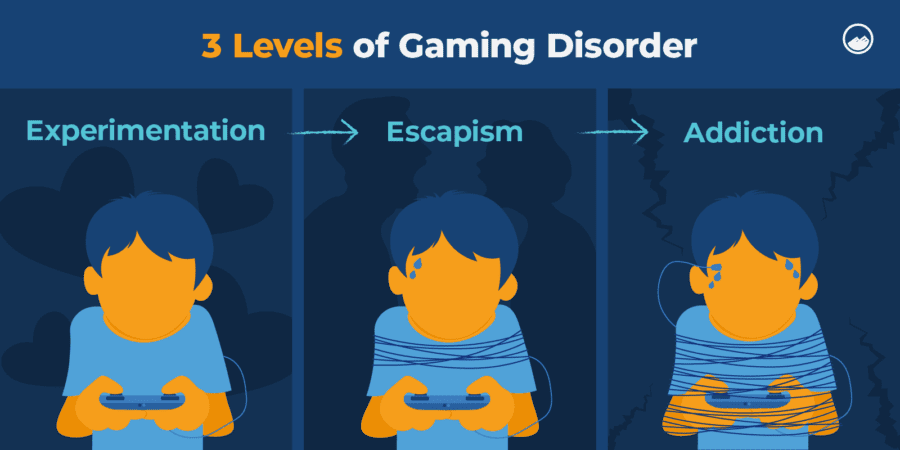
Clinical experts note that this transition often occurs gradually, as gaming becomes the primary mechanism for emotional regulation and stress management. Rather than a simple lack of willpower, compulsive gaming is frequently linked to neurobiological reward systems, where games are engineered to provide variable reinforcement and social validation. In Austin, local treatment facilities like Omega Recovery are designed to address these underlying drivers by offering structured clinical environments that help patients decouple from screen dependency while fostering real-world social and vocational skills.
Understanding the Clinical Nature of Gaming Disorder
Gaming disorder is not merely about the amount of time spent in front of a screen; it is about the functional impairment the behavior causes. According to the American Psychiatric Association (APA), while “Internet Gaming Disorder” is currently listed in the DSM-5 as a condition requiring further study, the clinical consensus emphasizes that problematic gaming often co-occurs with other mental health challenges, such as anxiety, depression, and attention-deficit/hyperactivity disorder (ADHD). Patients often report that the virtual environment provides a sense of mastery and community that they feel is missing in their physical environment.

When someone is unable to stop despite mounting problems—such as failing grades, job loss, or significant family conflict—professional intervention becomes necessary. Treatment at specialized centers typically involves an initial, comprehensive assessment to identify co-occurring conditions. Because gaming addiction rarely exists in a vacuum, effective recovery plans must address the psychological or neurological factors that drive an individual to seek escape in virtual worlds. This holistic approach ensures that the patient is not just treating the symptom of gaming, but the underlying mental health triggers.
Evidence-Based Approaches to Treatment
A reputable gaming addiction rehab center in Austin, TX, utilizes a variety of evidence-based therapeutic modalities to treat the condition. Cognitive Behavioral Therapy (CBT) is frequently used to help patients identify and challenge the thought patterns that lead to compulsive gaming sessions. By recognizing the “triggers”—such as social anxiety or academic stress—patients can develop healthier coping mechanisms. In addition to individual therapy, group therapy plays a vital role. By sharing experiences in a group setting, individuals can reduce the shame and social isolation often associated with their addiction.
Beyond traditional talk therapy, many modern treatment centers are incorporating “adventure therapy” and nature-immersion programs. This approach seeks to provide the same sense of challenge, achievement, and immediate feedback that high-intensity gaming offers, but through real-world experiences. Research in clinical psychology suggests that spending time in natural environments can help regulate the nervous system, reduce cortisol levels, and improve mood, which is particularly beneficial for individuals who have been sedentary for long periods. American Psychological Association – The Restorative Power of Nature
The Role of Family and Long-Term Support
Because gaming addiction often strains household dynamics, family involvement is a cornerstone of effective rehabilitation. Family therapy sessions help loved ones understand the nature of the addiction, improve communication, and establish healthy boundaries regarding technology use at home. The goal is not necessarily total abstinence from all technology—which is often impractical in the modern world—but rather the development of a balanced, intentional relationship with digital devices.
Patients typically transition through different levels of care, such as Partial Hospitalization Programs (PHP) or Intensive Outpatient Programs (IOP), depending on the severity of their condition. These programs offer the flexibility to practice newly learned skills in the real world while maintaining consistent access to clinical support. By building a robust support system, individuals can sustain their recovery long after the formal treatment period ends.
Identifying When to Seek Help
Recognizing the need for professional help is often the hardest part of the recovery process. Signs that an individual may benefit from a specialized rehab program include:

- An inability to limit gaming time despite repeated attempts to stop.
- Prioritizing gaming over essential activities like sleep, hygiene, or work/school obligations.
- Experiencing withdrawal symptoms—such as irritability, anxiety, or sadness—when gaming is restricted.
- Using gaming as the primary or only tool to cope with stress or negative emotions.
If these patterns sound familiar, reaching out to a mental health professional for an assessment is the recommended first step. Many facilities in the Austin area, including Omega Recovery, offer admissions consultations to help families determine the appropriate level of care. For those seeking information, the Substance Abuse and Mental Health Services Administration (SAMHSA) also provides a national helpline that can assist in locating licensed treatment providers for behavioral health concerns.
Recovery is an ongoing process, and the field of behavioral health continues to evolve as more research emerges regarding the impact of digital media on the human brain. As of the latest clinical guidelines, there is no single “cure” for gaming disorder, but with structured, individualized treatment, many people successfully restore balance to their lives. Readers are encouraged to verify treatment center credentials through state health departments or professional licensing boards before committing to a program. Please feel free to share this article with those who may be looking for support or to comment below with your perspectives on modern digital wellness.
- Mammal Ancestors Gave Birth to Live Young 236 Million Years Ago
- Total Solar Eclipse August 12, 2026: Official Live Streaming Links & How to Watch
- Store Delivery Expert Job in Trenton TN Full-Time (news-usa.today)
- Dawn of War 4 Release Date Delayed: What to Expect from the Refining Process – Warhammer 40k Strategy Game Update” “Dawn of War 4 Launch Delayed: How the Game’s Delay Will Affect Fans – Warhammer 40k Strategy Game News” “Warhammer 40k Strategy Game Dawn of War 4 Delayed to Refine Experience Ahead of Release – Gaming News Update” “Dawn of War 4 Delayed: What the Delay Means for the Upcoming Warhammer 40k Game – Strategy Game Release News (archyworldys.com)