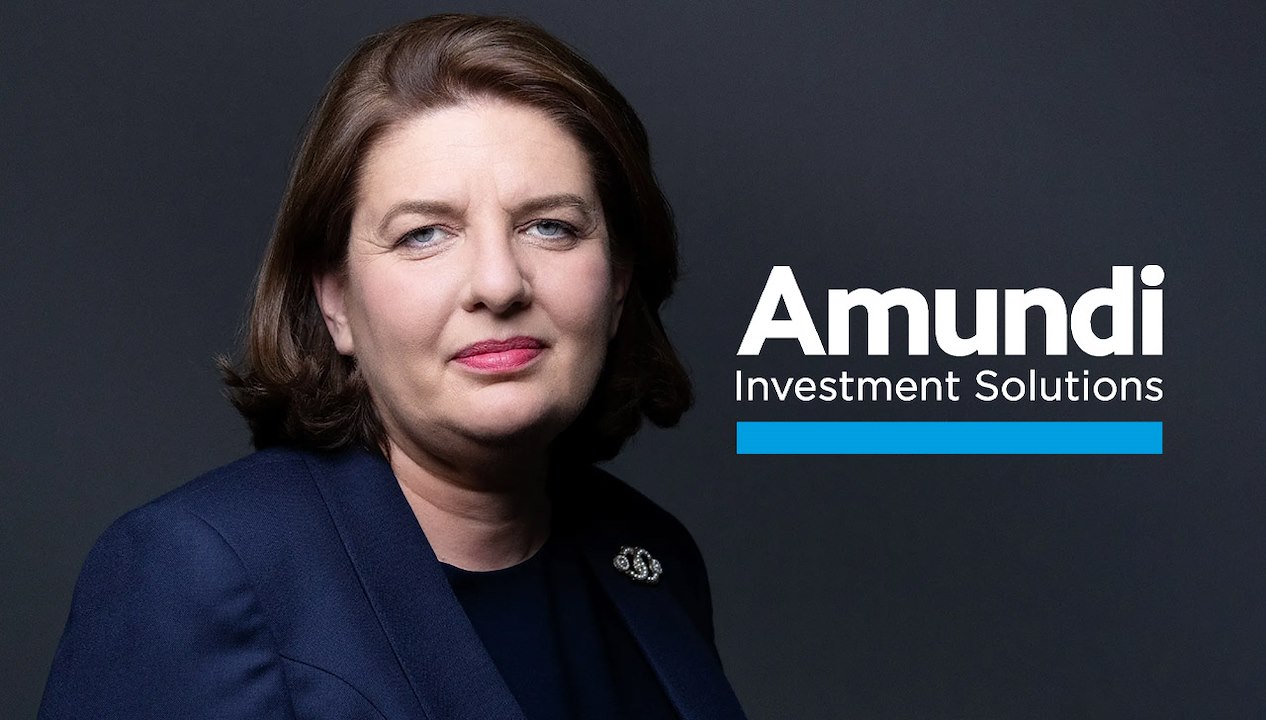
Amundi, Europe’s largest asset manager by assets under management, has set a target to attract 150 billion euros in new inflows from the Asian market by 2028. This strategic expansion aims to bolster the firm’s presence in a region that remains critical to its long-term growth, as the company seeks to diversify its revenue streams beyond its core European markets. According to the firm’s latest strategic plan, this target is part of a broader effort to strengthen its footprint in key regional hubs, including China, India, and Southeast Asia.
The Paris-based investment manager, which reported approximately 2.16 trillion euros in total assets under management as of the end of 2023, is betting heavily on the rising demand for sophisticated investment solutions among Asian institutional and retail investors. This initiative aligns with the firm’s “Ambitions 2025” and subsequent long-term planning, which prioritizes international growth through localized partnerships and expanded product offerings in high-growth economies. Amundi’s official data confirms its status as a top-tier global player, with its international operations serving as a primary engine for new capital mobilization.
Strategic Drivers Behind the Asian Expansion
The push to secure 150 billion euros in inflows reflects a shift in how major European financial institutions view the Asian market. Rather than relying solely on cross-border sales, Amundi has prioritized the establishment of local joint ventures and the acquisition of local expertise to navigate complex regulatory environments. In China, for instance, the company has leveraged its partnership with the Bank of China to establish a significant presence in the wealth management sector. This collaborative model has allowed the firm to scale its operations more effectively than traditional branch-based approaches.

Geopolitically, the focus on Asia is also a response to the increasing demand for environmental, social, and governance (ESG) investment products in the region. Amundi has positioned itself as a leader in sustainable finance, a sector that is seeing rapid regulatory support in markets like Japan and Singapore. By exporting its European expertise in ESG integration, the company seeks to capture a significant share of the capital shifting toward sustainable assets in Asia, a trend that analysts suggest will continue to accelerate over the next four years.
Market Challenges and Competitive Landscape
Operating in Asia presents distinct challenges for European asset managers, ranging from currency volatility to intense competition from domestic incumbents. According to market reports, firms like Amundi face stiff competition from local heavyweights and global rivals such as BlackRock and Fidelity, who have also aggressively expanded their Asian footprints. The success of the 150-billion-euro goal will likely depend on the firm’s ability to maintain its margin levels while scaling its distribution network across fragmented regional markets.
Furthermore, the economic environment in China, often the anchor for regional growth strategies, has experienced periods of cooling, which can impact investor sentiment toward foreign-managed funds. However, Amundi’s management has maintained that a long-term outlook is necessary to weather short-term market cycles. The company’s focus remains on providing diversified asset classes, including fixed income and multi-asset solutions, which are increasingly sought after by aging populations in countries like South Korea and Taiwan.
What Lies Ahead for Amundi’s Global Strategy
As the 2028 deadline approaches, the firm is expected to provide regular updates on its progress during its annual general meetings and quarterly earnings calls. Investors and stakeholders will be watching for signs of growth in “Net New Money” (NNM) specifically derived from the Asian segment. These disclosures are typically found in the company’s official Investor Relations portal, which serves as the primary source for verified financial performance metrics.

The next major checkpoint for the company’s strategic progress will be the release of its next annual report, where it is expected to detail the specific capital flows by region. For readers interested in following these developments, official filings and press releases issued by the company provide the most accurate account of their progress toward these ambitious targets. We encourage readers to share their thoughts on the shifting landscape of global asset management in the comments section below.