
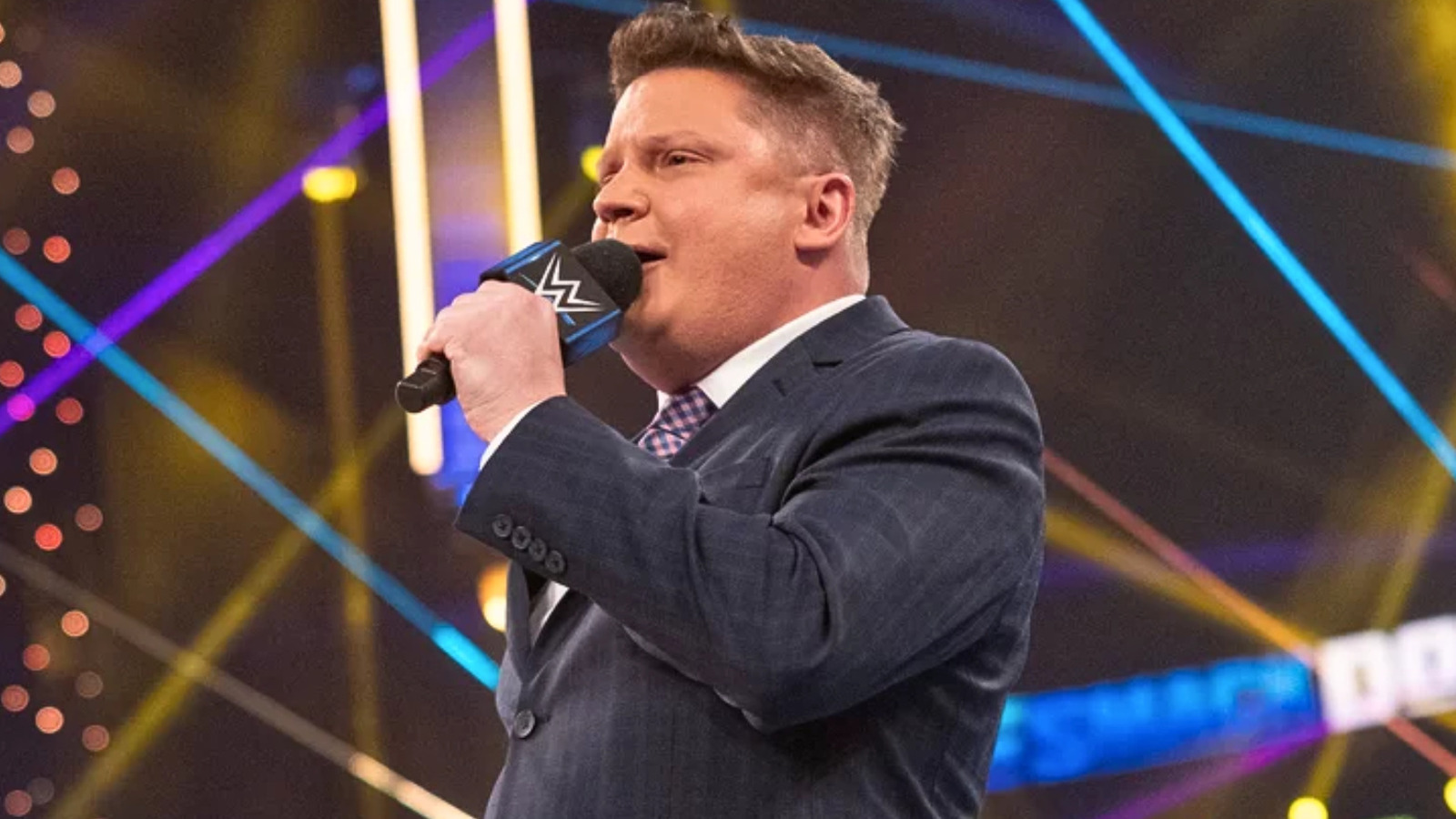
Former WWE ring announcer Greg Hamilton, who currently serves in a broadcast capacity for the Professional Fighters League (PFL), recently stated that creative direction remains the most significant factor in a professional wrestler’s career trajectory. In a recent interview, Hamilton noted that the quality of storylines and character development can define a performer’s status, potentially leading to Hall of Fame recognition or, conversely, a departure from the company.
Hamilton’s assessment highlights the high-stakes environment inherent in sports entertainment, where performers must align with creative staff to secure their positions. Since his departure from WWE, Hamilton has transitioned into the mixed martial arts space, joining the PFL broadcast team to provide commentary and analysis. His remarks underscore the ongoing tension between creative autonomy and the collaborative, often high-pressure nature of wrestling production.
The Impact of Creative Direction on Talent Retention
According to Hamilton, the relationship between on-screen talent and the creative writing team is a primary driver of career longevity. He emphasized that performers often navigate a complex internal landscape, as their livelihoods depend heavily on how they are utilized within the company’s long-term storytelling plans. For many wrestlers, “getting over” with the writers is considered an essential component of professional survival.
This dynamic is common in organizations like WWE, where large rosters create intense competition for limited television time. The creative process involves a collaborative effort between writers, producers, and executives to craft narratives that resonate with audiences. When these narratives succeed, they can elevate a performer to stardom; when they fail to connect or align with management’s vision, talent often faces the risk of budget cuts or contract releases.
The TKO Era and Corporate Sponsorships
Beyond creative strategy, Hamilton addressed the recent shift in WWE’s business model following its merger with the UFC to form TKO Group Holdings. The parent company, TKO Group Holdings, has aggressively pursued new sponsorship opportunities, integrating brand logos into ring mats and other high-visibility areas of the production. Hamilton noted that while these changes are highly visible to fans, they represent a broader strategic move to maximize commercial revenue.

Hamilton suggested that the financial upside of this corporate integration benefits the performers. By diversifying revenue streams through sponsorships, the organization creates additional opportunities for talent to earn supplemental income. Hamilton stated that he supports these developments if they provide financial stability for the athletes and performers involved. He expressed that the inclusion of corporate branding, such as logos on ring gear or staging, is a secondary concern compared to the economic advantages provided to the roster.
Evolution of the Sports Entertainment Business
The transition into the TKO era marks a significant shift in how professional wrestling organizations monetize their content. Since the finalization of the merger in September 2023, the organization has consistently reported record-breaking revenue figures, often citing expanded sponsorship deals and premium live event growth as key drivers. This commercial focus is part of a larger trend in combat sports where broadcast rights and integrated marketing partnerships prioritize shareholder value alongside audience engagement.
For performers, the environment remains demanding. The pressure to remain relevant in a corporate-driven landscape requires both technical skill and the ability to adapt to changing creative requirements. As Hamilton observed, the ability to maneuver within this system is not merely an artistic choice but a professional necessity for those looking to sustain a career in the industry.
The broader sports entertainment industry continues to watch how these structural changes affect talent morale and creative output. While some fans have expressed mixed reactions to the increased commercialization of the ring, the financial data confirms that the strategy is a core pillar of the current TKO business model. Ongoing updates regarding TKO’s financial performance are typically available through their quarterly filings with the U.S. Securities and Exchange Commission, which provide the most accurate look at how these sponsorship initiatives impact the bottom line.
Readers interested in further developments regarding WWE’s creative direction or the ongoing integration of TKO’s business strategies can look for official announcements via the company’s corporate communications portal. Share your thoughts on the impact of these changes on the product in the comments below.