
Scott Bessent, the nominee for U.S. Treasury Secretary, has signaled that the U.S. dollar will remain the cornerstone of the administration’s economic framework, emphasizing its role in maintaining global financial stability and American economic influence. In a recent interview with CNBC, Bessent outlined a vision for the Treasury that prioritizes the strength of the dollar as a primary tool for navigating international trade and geopolitical shifts.
The proposed economic strategy, as discussed by Bessent, seeks to leverage the dollar’s status as the world’s primary reserve currency to support domestic growth and project economic stability. This approach comes as the incoming administration prepares to transition leadership from the current Treasury Secretary, Janet Yellen, to a team focused on a different set of fiscal and monetary priorities.
Bessent, a prominent hedge fund manager with extensive experience in global macro markets, has positioned himself as a proponent of a “pro-growth” agenda. His comments to CNBC suggest that the Treasury will not only manage the nation’s finances but will also actively use currency strength and trade policy to bolster the U.S. industrial base.
How will Scott Bessent use the U.S. dollar to drive economic policy?
According to Bessent’s remarks during his CNBC appearance, the U.S. dollar is not merely a medium of exchange but a strategic asset. He suggested that maintaining a strong dollar is essential for preserving the United States’ position in the global financial hierarchy. This stance is intended to counter “de-dollarization” trends, where various nations have sought to reduce their reliance on the greenback in international settlements.
Economic analysts suggest that Bessent’s focus on the dollar aligns with a broader “America First” economic philosophy. By ensuring the dollar remains the central axis of global trade, the Treasury can exert significant influence over international capital flows. This influence can be used to:
- Support the stability of U.S. Treasury markets.
- Manage the impact of international trade tariffs on domestic inflation.
- Provide a buffer against volatility in emerging market currencies.
The importance of the dollar’s role cannot be overstated. The U.S. dollar currently accounts for a significant portion of global foreign exchange reserves, a fact that provides the United States with unique capabilities in implementing sanctions and managing global liquidity. Bessent’s emphasis on this role indicates that the incoming Treasury will likely view currency strength as a key component of national security.
What changes are expected at the U.S. Treasury?
The transition from Janet Yellen to Scott Bessent represents a potential shift in the Treasury’s operational philosophy. While Yellen’s tenure has been characterized by a focus on multilateralism, climate-related financial risks, and international cooperation, Bessent’s approach appears more centered on market-driven growth and strategic economic competition.
Under the current administration, the Treasury has played a central role in coordinating international responses to global crises and managing complex sanction regimes. Industry observers note that while the fundamental duties of the Treasury—such as collecting taxes, managing government debt, and regulating financial institutions—will remain unchanged, the strategic application of these powers may evolve under Bessent.
Key areas of expected change include:
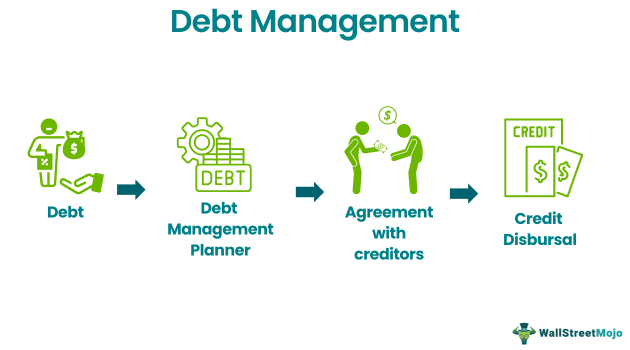
- Debt Management: How the Treasury handles the rising U.S. national debt and manages the issuance of Treasury securities to meet market demand.
- Trade and Tariffs: The coordination between the Treasury and the U.S. Trade Representative (USTR) to implement the administration’s tariff policies.
- Regulatory Environment: A potential shift toward deregulation in the financial sectors to stimulate capital investment.
Bessent’s background in the private sector suggests a preference for market-based solutions and a desire to reduce the friction between government policy and global capital markets. This could lead to a more aggressive stance on using economic levers to achieve domestic manufacturing and energy independence goals.
What are the implications for global markets and emerging economies?
The focus on a strong U.S. dollar has direct consequences for international investors and emerging market economies. When the dollar strengthens, it often leads to capital flight from developing nations as investors seek the perceived safety and higher returns of U.S.-based assets. This can cause local currencies in emerging markets to depreciate, increasing the cost of their dollar-denominated debt.
For global corporations, a strong dollar affects everything from export competitiveness to the repatriation of foreign earnings. Companies based in the United States may find their products more expensive in foreign markets, potentially impacting their global market share. Conversely, a strong dollar can lower the cost of imports, helping to keep domestic inflation in check.
Market participants are closely watching for how Bessent’s policies might interact with the Federal Reserve’s monetary policy. While the Treasury and the Federal Reserve operate independently, their objectives often overlap, particularly regarding inflation and economic growth. A Treasury focused on supporting a strong dollar may provide a complementary environment for the Federal Reserve’s efforts to maintain price stability.
| Feature | Current Approach (Yellen) | Proposed Approach (Bessent) |
|---|---|---|
| Primary Objective | Multilateral cooperation & economic stability | Domestic growth & dollar hegemony |
| Global Engagement | Emphasis on international institutions | Emphasis on bilateral strategic advantage |
| Currency View | Stable exchange rates for global trade | Strong dollar as a strategic pillar |
| Economic Driver | Inclusive growth & green finance | Deregulation & industrial revitalization |
Why the U.S. dollar’s status matters to the global economy
The “exorbitant privilege” of the U.S. dollar allows the United States to borrow more cheaply than other nations and maintain a significant influence over the global financial architecture. This status is built on the deep, liquid, and transparent nature of U.S. capital markets. If the Treasury successfully manages this status, as Bessent intends, it will continue to serve as the global “safe haven” during times of crisis.

However, the rise of alternative payment systems and the increasing use of non-dollar currencies in commodity trades—such as oil—pose long-term challenges. Bessent’s strategy appears designed to proactively address these challenges by reinforcing the utility and necessity of the dollar in the modern digital and multipolar economy.
For the average global citizen, these high-level policy shifts manifest in the cost of living, the stability of pension funds, and the availability of credit. A predictable and strong dollar provides a foundation for global commerce, but it also requires careful management to ensure that the benefits of U.S. economic strength do not come at the expense of global economic stability.
Key Takeaways for Investors
- Monitor Treasury Nominations: The confirmation process for Bessent will provide critical signals regarding the administration’s fiscal direction.
- Watch Currency Volatility: Shifts in Treasury policy regarding the dollar can lead to rapid movements in FX markets.
- Assess Emerging Market Risk: A sustained strong-dollar environment may increase debt servicing pressures in developing nations.
- Observe Trade Policy Integration: The intersection of Treasury and trade policy will be a focal point for market volatility.
The next major checkpoint in this transition will be the formal confirmation hearings for the Treasury Secretary nominee in the U.S. Senate, where Bessent will be expected to provide detailed testimony on his economic framework and his plans for the department.
What are your thoughts on the incoming administration’s economic strategy? Share this article and join the conversation in the comments below.
Worth a look