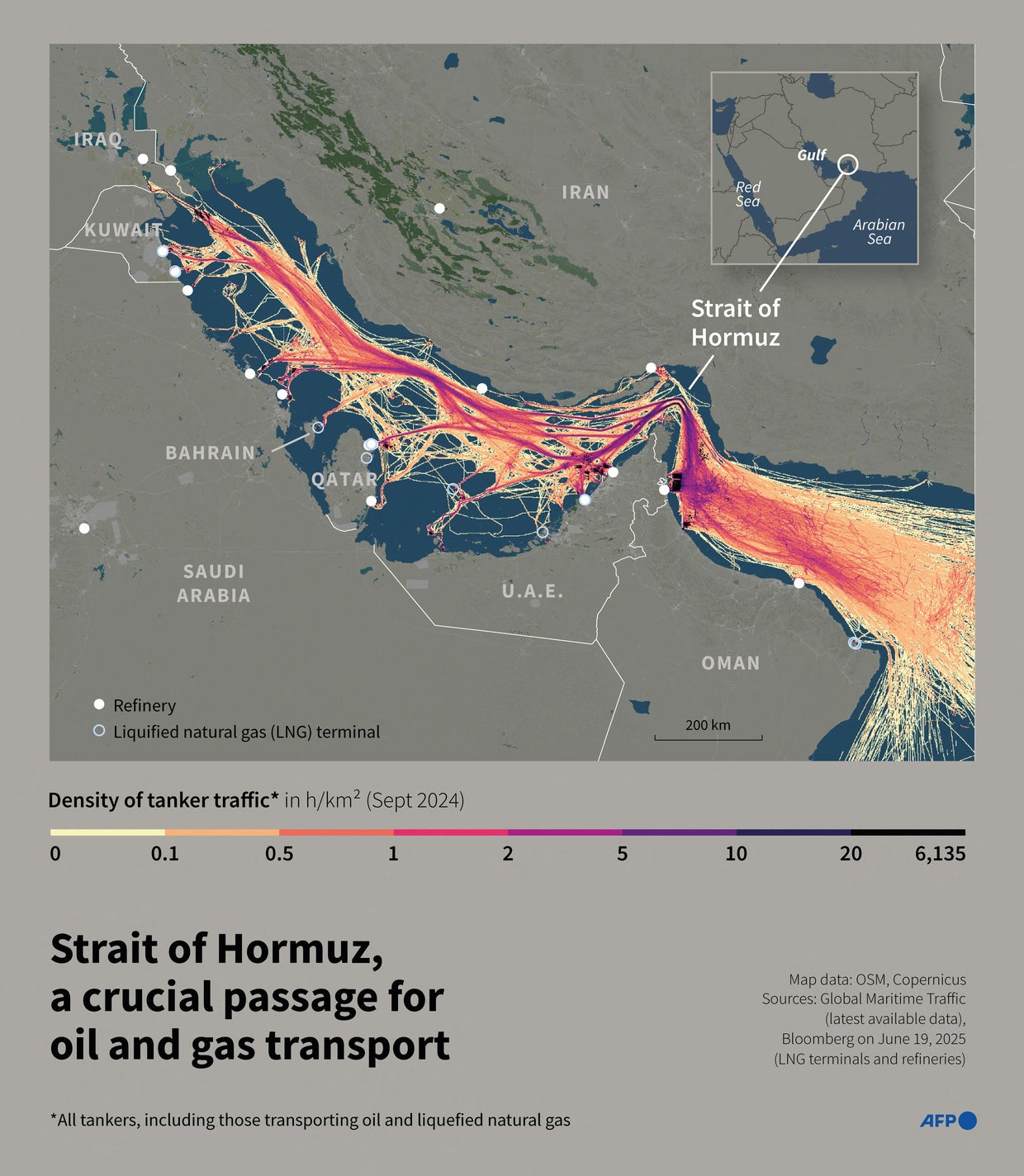
Global energy markets are experiencing a period of renewed volatility as tankers navigate the Strait of Hormuz amid escalating warnings from Iranian officials. The passage, a critical maritime chokepoint for approximately 20% of the world’s total oil consumption, has become the focal point of a tense diplomatic and military standoff, according to data from the U.S. Energy Information Administration. While oil supply flows have continued, reports of threats from the Islamic Revolutionary Guard Corps (IRGC) regarding unauthorized transit have forced shipping companies to reassess their operational security.
The current situation centers on regional security protocols in the Persian Gulf. Iranian authorities have characterized the movement of vessels through the strait without their explicit coordination as “unacceptable and dangerous,” raising concerns about potential disruptions to global energy transit, as reported by international news agencies. For energy markets, the primary concern remains the potential for localized conflict to restrict the narrow waterway, which serves as the primary exit for crude oil exports from Saudi Arabia, Iraq, the United Arab Emirates, and Kuwait.
Strait of Hormuz Security and Maritime Transit
The Strait of Hormuz remains the most significant oil transit point globally. According to the U.S. Energy Information Administration, the chokepoint is roughly 21 miles wide at its narrowest point, yet the shipping lane in either direction is only two miles wide. This geographic constraint makes the transit of Very Large Crude Carriers (VLCCs) highly sensitive to political instability. Recent statements from the IRGC have specifically targeted vessels utilizing alternative routes or bypassing standard monitoring, suggesting that such ships could be viewed as hostile entities.
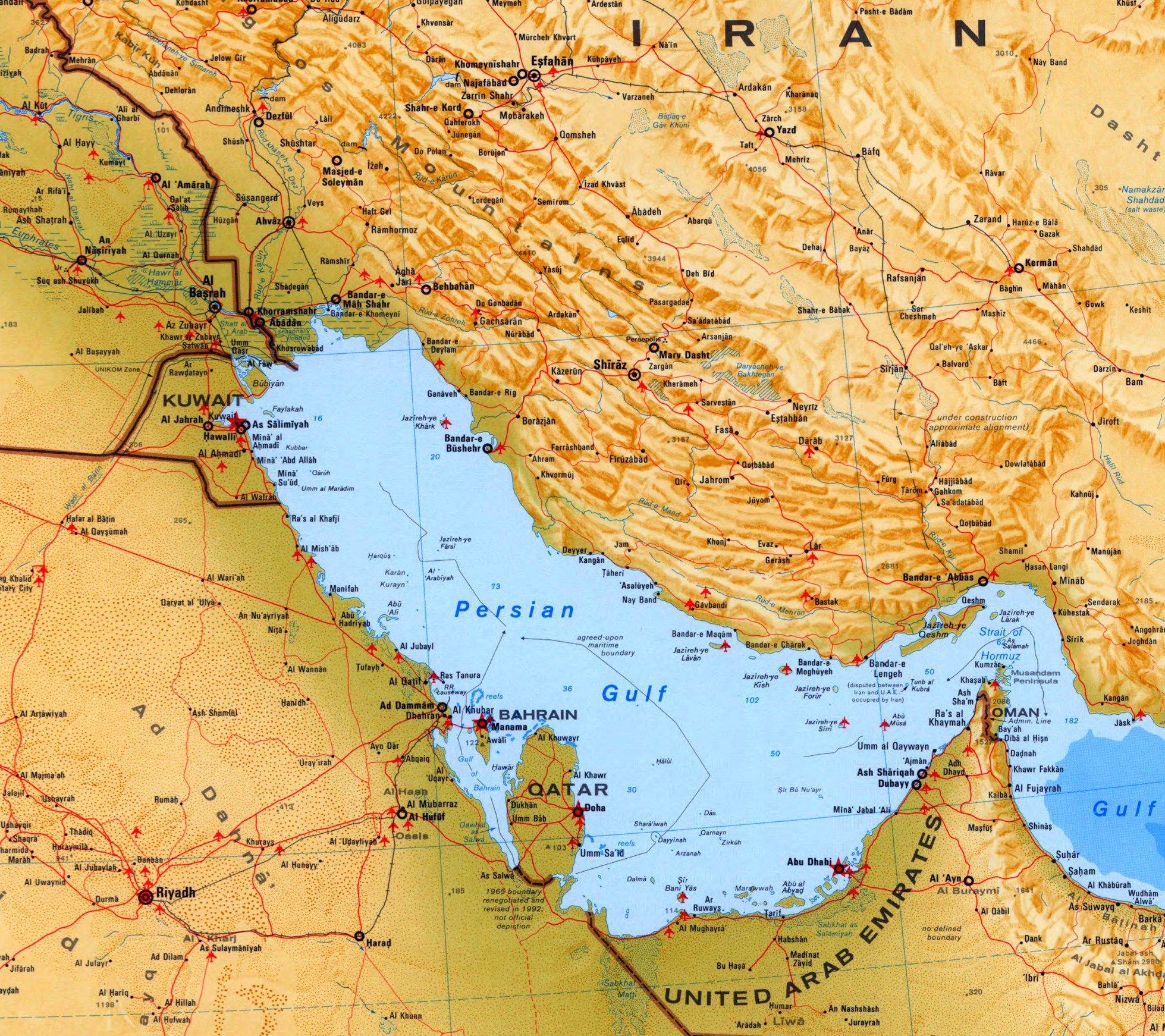
Shipping industry analysts note that while the flow of tankers has not been fully halted, the insurance premiums for transiting the region are subject to rapid reassessment. Following the Lloyd’s Market Association’s ongoing monitoring of the Joint War Committee’s listed areas, vessels operating in the Persian Gulf are increasingly subject to higher “breach” premiums. These costs are ultimately passed down the supply chain, contributing to the broader price fluctuations observed in the Brent and West Texas Intermediate (WTI) crude benchmarks.
Geopolitical Tensions and Market Reaction
The rhetoric surrounding the strait is tied to broader regional tensions, including the ongoing conflict in Gaza and the shifting stance of international powers toward Tehran. Analysts at the Center for Strategic and International Studies have highlighted that the Iranian government frequently uses the threat of closing the strait as a strategic lever against Western sanctions. This tactic creates a “risk premium” in energy prices, where traders bid up the cost of oil based on the perceived likelihood of a maritime blockade.
Market observers contrast the current environment with historical precedents, such as the “Tanker War” of the 1980s. Unlike previous decades, current global reliance on the strait is balanced by increased production in the United States and Canada, which provides a degree of insulation against total supply shocks. However, the International Energy Agency maintains that a prolonged disruption in Hormuz would still cause an immediate and significant spike in global energy prices that no amount of reserve release could fully mitigate in the short term.
What Happens Next for Global Oil Supply
The immediate outlook depends on the enforcement of the announced maritime restrictions. If the IRGC moves from rhetoric to active interdiction of commercial vessels, the global shipping industry will likely shift toward more expensive, albeit safer, routing options. This would involve longer voyages, increased fuel consumption, and tighter vessel availability, all of which act as inflationary pressures on the cost of delivered crude.
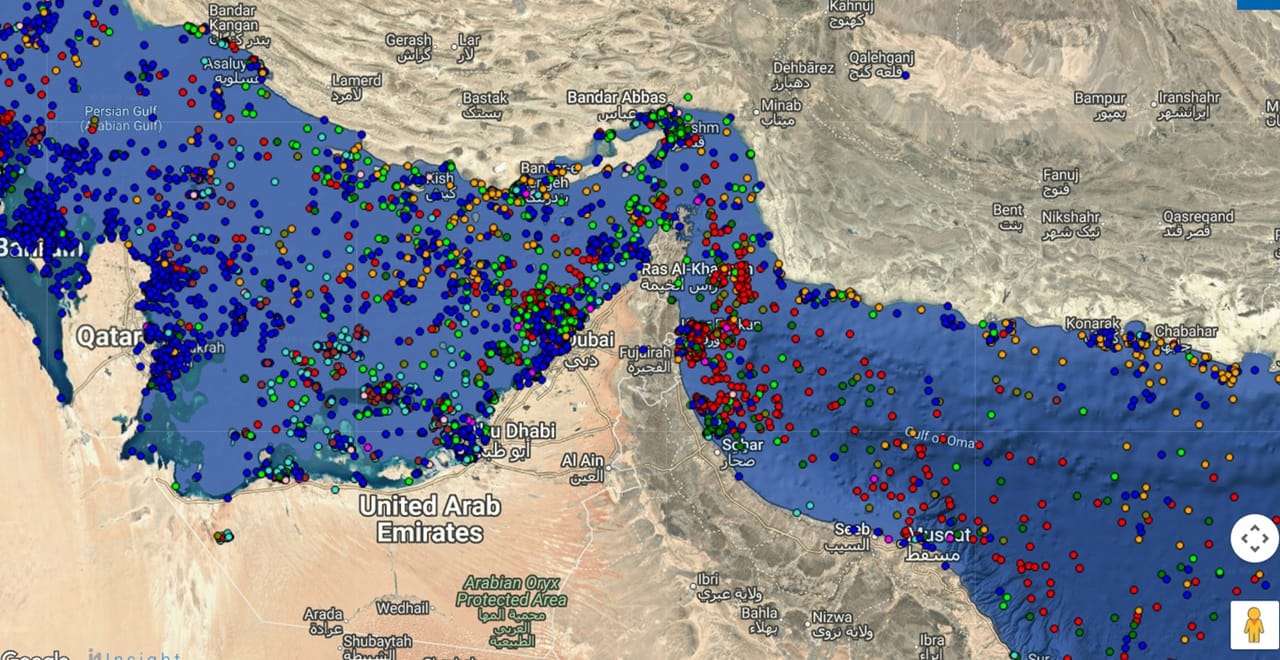
Monitoring the situation requires looking at official advisories from the U.S. Maritime Administration, which regularly issues alerts regarding threats to commercial shipping in the Middle East. These notices provide the most accurate assessment of the threat level for mariners and are used by shipping companies to determine whether to proceed through the strait or divert. As of the latest reporting, there has been no official closure of the waterway, and commercial traffic continues, albeit under a heightened state of alert.
For investors and energy market participants, the next checkpoint will be the upcoming meeting of the OPEC+ ministerial committee. Any shift in production quotas or explicit commentary regarding maritime security in the Persian Gulf will likely serve as the next indicator of market direction. We invite our readers to share their analysis of the energy markets in the comments section below.
- Mike Lindell Refuses to Concede Minnesota Republican Gubernatorial Primary
- Flock Safety Cameras: Neighborhood Map, Police Tracking, and Public Backlash
- Mississippi Health Official Warns Pregnancy Increases Vulnerability (news-usa.today)
- Honda Wave 110S Reclaims Top Sales Spot as Argentina’s Moto Market Grows (time.news)