Plug-in hybrid electric vehicles (PHEVs) remain a polarizing segment of the automotive market as manufacturers and consumers balance emission regulations with real-world utility. Recent data suggests that the true efficiency of these vehicles often deviates significantly from laboratory-certified fuel consumption figures, depending heavily on charging habits and driving patterns.
For many drivers, the decision to invest in a plug-in hybrid in 2026 hinges on whether the vehicle can function as an electric daily commuter while retaining a combustion engine for longer trips. According to the International Energy Agency (IEA), while pure battery-electric vehicle (BEV) sales continue to outpace hybrids, PHEVs still represent a strategic bridge for consumers concerned about charging infrastructure gaps in specific regions.
Real-World Consumption and the Charging Factor
The primary criticism leveled at plug-in hybrids is the discrepancy between manufacturer-rated fuel economy and actual performance on the road. When a PHEV battery is depleted, the vehicle relies on its internal combustion engine, which must then carry the additional weight of the heavy battery pack, often leading to higher fuel consumption than a standard hybrid or a more efficient internal combustion engine (ICE) vehicle.

Studies conducted by the International Council on Clean Transportation (ICCT) have consistently indicated that real-world fuel consumption for PHEVs is frequently two to four times higher than the official laboratory test values. This gap exists primarily because many users do not charge their vehicles with the frequency required to maximize the electric-only range. For a PHEV to be truly cost-effective, the driver must have reliable access to home or workplace charging, ensuring that the majority of daily urban commutes are completed on electricity.
Evaluating the Economic Viability in 2026
Choosing a plug-in hybrid in 2026 requires a careful look at the total cost of ownership (TCO), which includes purchase price, fuel efficiency, and potential government incentives. While some European markets still offer tax credits for low-emission vehicles, the European Union’s 2035 mandate to end the sale of new CO2-emitting cars is shifting the industry focus toward full electrification.

For buyers, the premium paid for a PHEV drivetrain—which includes both an electric motor and a combustion engine—often makes the vehicle more expensive upfront than a comparable mild-hybrid or gasoline-only model. According to the European Automobile Manufacturers’ Association (ACEA), the return on investment for a PHEV is realized only when the driver maintains a high “utility factor,” defined as the percentage of total distance driven in electric mode. If a driver commutes more than 50 kilometers daily without intermediate charging, the fuel savings rarely offset the initial purchase premium within the typical three-to-five-year ownership cycle.
Infrastructure and Urban Mobility
The urban utility of a PHEV depends heavily on the local charging network. In cities with robust AC charging availability, a PHEV can function effectively as an electric car. However, in regions where public charging remains sparse or unreliable, the weight penalty of the battery limits the vehicle’s efficiency.
For those considering a compact SUV or crossover, market analysis from the BloombergNEF Electric Vehicle Outlook suggests that buyers should prioritize models with longer electric-only ranges—ideally exceeding 60 kilometers—to ensure the vehicle remains relevant as urban centers tighten emission regulations and introduce low-emission zones. As of 2026, manufacturers are increasingly equipping vehicles with more efficient thermal management systems for batteries, which improves performance in colder climates compared to early-generation hybrids.
Comparison of Powertrain Options
When assessing whether a PHEV is the right choice, it is helpful to contrast it with other common alternatives:
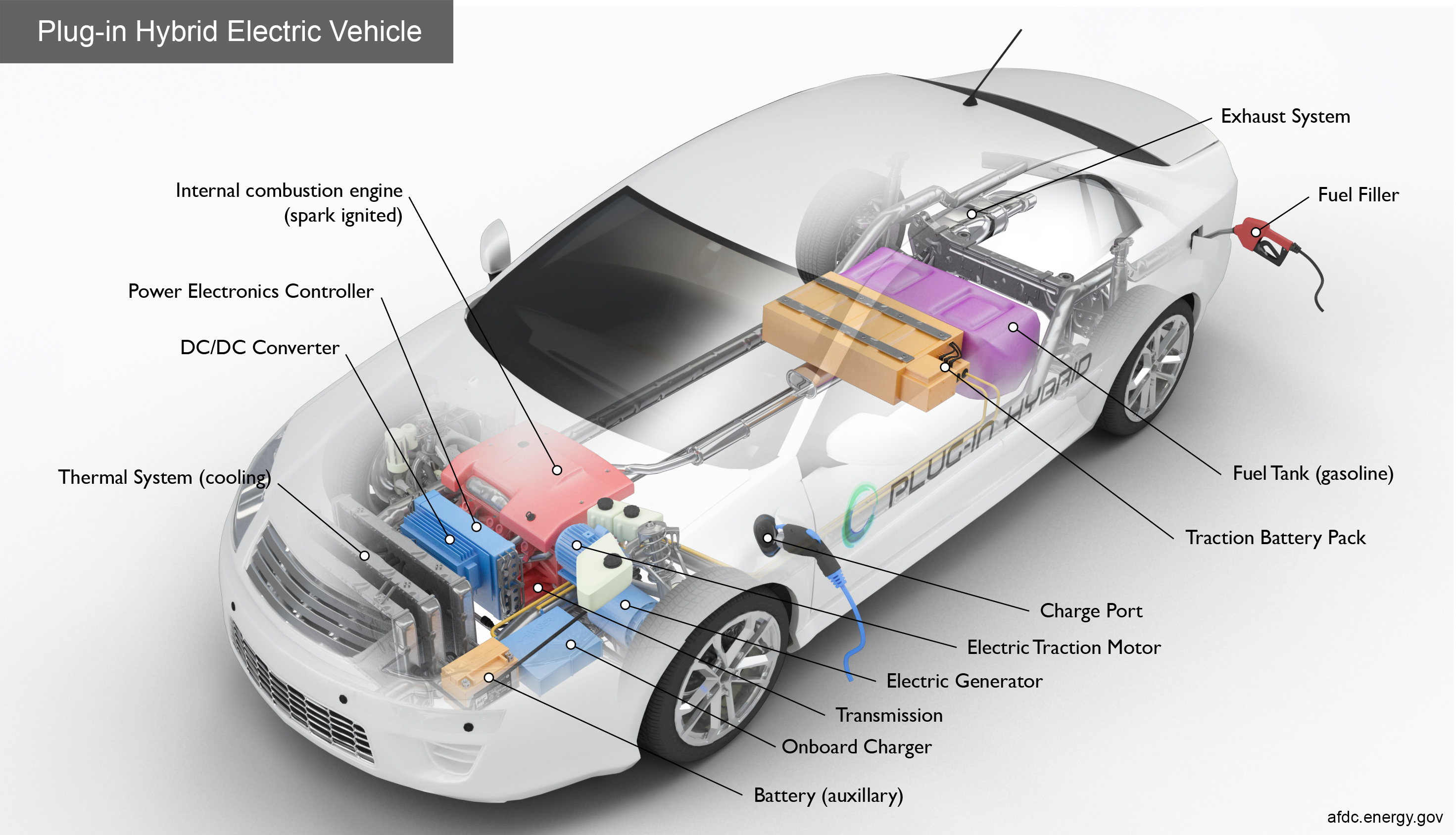
- Battery Electric Vehicles (BEVs): Lower maintenance costs and zero tailpipe emissions, but require a significant shift in refueling behavior and access to high-speed DC charging for long-distance travel.
- Plug-in Hybrids (PHEVs): Offer flexibility for long trips without range anxiety, but require disciplined charging habits to achieve advertised fuel economy.
- Full Hybrids (HEVs): Generally more affordable and require no external charging, though they offer a very limited electric-only range (usually 2–5 kilometers).
As the automotive sector approaches the next regulatory milestones, consumer choices will be shaped by the availability of domestic energy prices and the evolution of battery density. The next significant update to European fleet emission standards is scheduled for 2027, which is expected to further influence the pricing and availability of hybrid technologies across the continent.
Readers are encouraged to verify local tax incentives and utility rates in their specific region before finalizing a purchase, as these variables frequently change with annual budget cycles. For ongoing updates on automotive policy and market trends, monitor the official portals of the European Commission regarding the transition to zero-emission mobility.
Have you recently tested a plug-in hybrid or made the switch to electric? Share your experience with real-world fuel consumption in the comments below.
Related reading