
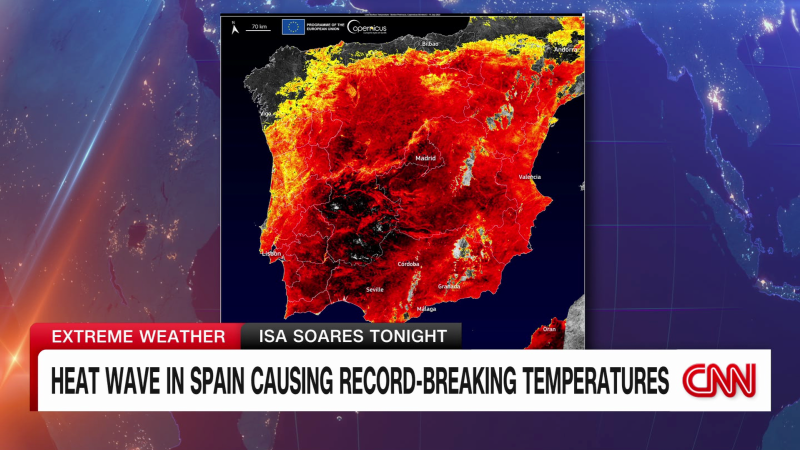
A severe, prolonged heatwave across Western Europe has been linked to 212 heat-related deaths in Spain during a four-day period in July 2022, according to data from the Carlos III Health Institute. The agency, which operates under the Spanish Ministry of Health, reported that these fatalities occurred between Sunday, July 10, and Wednesday, July 13, as temperatures in parts of the Iberian Peninsula soared above 40 degrees Celsius (104 degrees Fahrenheit).
This mortality figure highlights the acute risks posed by extreme thermal stress during early-summer heat events. Public health officials in Spain utilize the MoMo system (Monitoring of Daily Mortality) to analyze excess deaths by comparing observed mortality against expected historical trends. These figures are widely cited by international media and health organizations, such as the World Health Organization, to illustrate the direct impact of rising global temperatures on vulnerable populations.
Understanding the Impact of Extreme Heat in Spain
The heatwave that struck Spain in mid-July 2022 was characterized by extreme duration and intensity, with the Spanish meteorological agency, AEMET, issuing multiple red alerts for high temperatures. Experts note that the cumulative effect of consecutive days of extreme heat significantly increases the risk of heatstroke, dehydration, and the exacerbation of pre-existing cardiovascular or respiratory conditions. According to the State Meteorological Agency of Spain (AEMET), the persistence of the hot air mass from North Africa created conditions that prevented overnight cooling, which is vital for human physiological recovery during heat episodes.
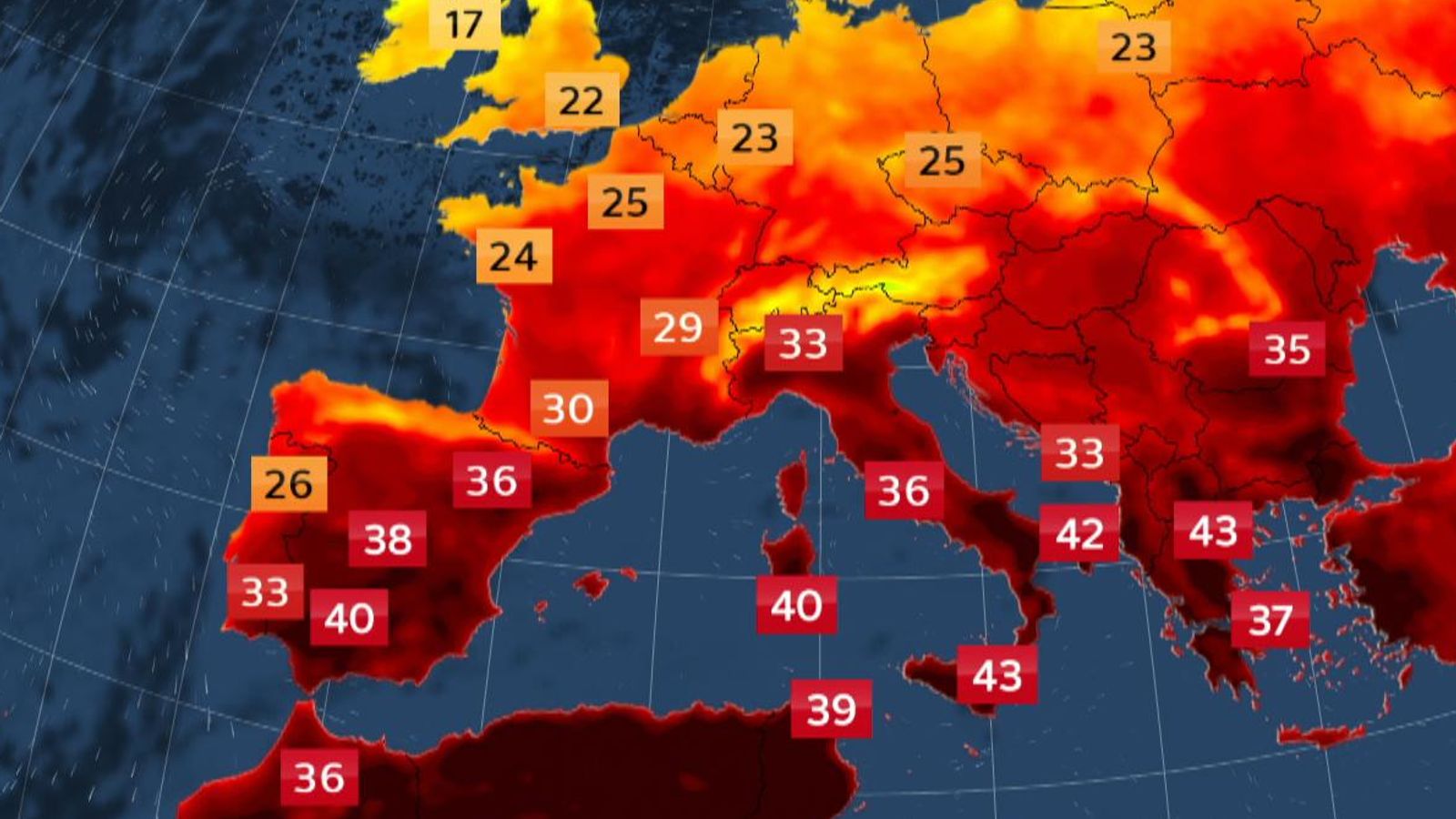
The 212 deaths reported by the Carlos III Health Institute represent a surge in excess mortality that correlates directly with the peak of the thermal anomaly. Public health research consistently demonstrates that the elderly, individuals with chronic illnesses, and those working in outdoor environments face the highest levels of risk during these periods. The Spanish government’s National Plan for Preventive Actions against the Effects of Excess Temperatures on Health serves as the primary framework for coordinating regional responses, including the distribution of safety advisories and the activation of emergency medical protocols.
Comparative Analysis: Heat-Related Mortality Trends
To understand the severity of the 2022 event, researchers often compare it to historical heatwaves in Europe. While the 2003 European heatwave remains the deadliest on record, the frequency of such events has increased in the last decade. Data from the Lancet Planetary Health suggests that heat-related mortality rates in Southern Europe are among the highest on the continent due to a combination of aging demographics and urban heat island effects. Unlike flash floods or storms, heatwaves are often described as “silent killers” because their impact is registered through mortality statistics rather than immediate physical destruction.
The following table outlines the factors that public health officials monitor when assessing heat-related risks:
| Risk Factor | Description |
|---|---|
| Overnight Temperatures | Lack of cooling at night prevents body temperature regulation. |
| Duration | Multi-day heat events lead to cumulative physiological strain. |
| Demographics | Elderly populations are at higher risk of thermoregulatory failure. |
| Urban Density | “Heat islands” trap heat, keeping cities warmer than rural areas. |
Public Safety and Preventive Measures
Authorities emphasize that heat-related deaths are largely preventable through timely intervention and public awareness. During the 2022 crisis, the Spanish government advised citizens to remain indoors during peak sunlight hours, maintain hydration, and check on elderly neighbors. Official guidance from the Spanish Ministry of Health continues to emphasize that early detection of heat-related symptoms—such as dizziness, rapid pulse, and confusion—is essential for preventing fatalities.

As the climate continues to change, municipal governments across the Mediterranean basin are investing in infrastructure to mitigate heat. This includes the expansion of green spaces, the creation of “cool centers” in public buildings, and the implementation of early-warning systems that trigger public alerts based on meteorological forecasting. These measures are part of a broader European strategy to build resilience against the increasing frequency of extreme weather events.
Future Monitoring and Official Reporting
The Carlos III Health Institute continues to publish periodic reports on mortality and environmental health, providing the scientific basis for future policy adjustments. For residents and visitors in Spain, the most reliable source for real-time safety information remains the local government portals and the national weather service, AEMET. These platforms provide updated forecasts and specific regional warnings that are essential for planning outdoor activities during the summer months.
Readers are encouraged to consult official health bulletins for the latest guidelines on how to protect themselves during extreme weather. We invite you to share your experiences with local heat-adaptation measures in the comments section below, as community-led initiatives remain a vital component of public safety.
Related reading
- China’s Maglev Train Sets New World Speed Record: 0 to 800 km/h
- US Ambassador Condemns Settler Siege of Palestinian Home in Qusra
- Europe Wildfires Force Thousands to Flee Amid Record Heatwave (archynewsy.com)
- Government Warns Single-Use Grills Pose Significant Public Risk Amid Heatwave (world-today-news.com)