
The Festival Lumière in Lyon has unveiled plans for a dedicated cultural hub, transforming the historic Hangar du Premier-Film into a permanent, year-round Village Cinéma. This initiative, supported by the Métropole de Lyon, aims to consolidate the festival’s heritage activities while providing a consistent space for exhibitions, film screenings, and public encounters focused on the history of cinematography.
According to the Métropole de Lyon, the project represents a significant investment in the city’s cinematic infrastructure, intended to preserve the legacy of the Lumière brothers while modernizing public access to film archives. The site, located in the Monplaisir district, serves as the spiritual home of the cinematograph, where Louis and Auguste Lumière captured their first films in 1895.
Expanding the Lumière Legacy in Lyon
The development of the new Village Cinéma is part of a broader urban strategy to revitalize the industrial heritage of the Monplaisir neighborhood. By formalizing the Hangar du Premier-Film as a permanent cultural venue, the city and the Institut Lumière intend to create a space that operates beyond the constraints of the annual October festival. Detailed plans approved by local authorities indicate that the venue will feature dedicated galleries for rotating exhibitions, a space for industry workshops, and an auditorium for regular programming.
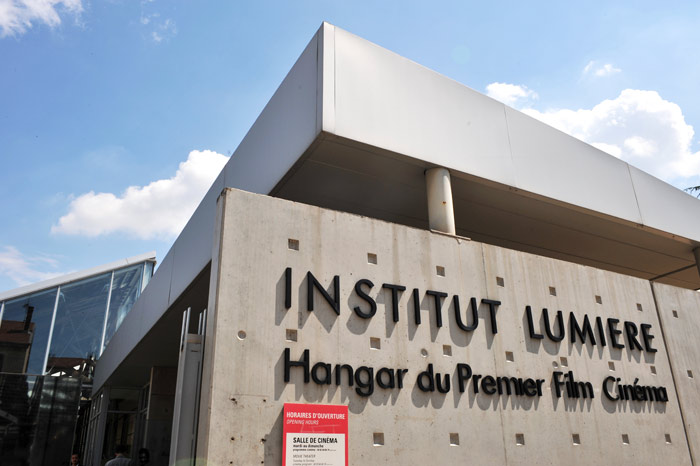
As reported by the Institut Lumière, the site will function as a central node for cinema enthusiasts and researchers alike. The preservation of the Hangar is central to this effort, as it remains one of the few surviving landmarks directly linked to the invention of the motion picture. The project is expected to increase the site’s capacity to handle international delegations and educational school visits, which are currently restricted by the facility’s seasonal nature.
Infrastructure and Urban Integration
The transformation of the site involves balancing modern accessibility requirements with the strict preservation standards applied to historical monuments in France. The Métropole de Lyon has emphasized that the design will respect the architectural integrity of the original structure while upgrading safety and climate-control systems necessary for the long-term conservation of film artifacts. The project is supported by a multi-year budget allocated for urban cultural development, a move that local officials state will boost tourism in the 8th arrondissement.
Furthermore, the integration of this hub is designed to connect more fluidly with the nearby Musée Lumière. By creating a pedestrian-friendly flow between the museum and the new Village Cinéma, the city hopes to establish a cohesive “Lumière Quarter.” This effort aligns with the city’s ongoing commitment to maintain Lyon’s status as a premier destination for film history and contemporary production, as outlined in the Lyon Tourism Board strategic reports.
What This Means for Global Cinema
For international visitors and film historians, the establishment of a permanent Village Cinéma provides a reliable anchor for studying the origins of the medium. Unlike temporary event spaces, this venue will allow for the display of sensitive, original equipment and early film stock that requires specific environmental conditions. It also offers a permanent platform for the Festival Lumière to host year-round retrospectives, which have previously been limited to the festival’s intense one-week schedule in October.

The project highlights a trend in European cultural heritage management, where historical sites are being repurposed into active, multi-use community hubs rather than static museums. By combining public education with professional industry gatherings, the Métropole de Lyon is positioning the site as a living laboratory for film preservation. The next steps for the project include finalizing the interior design phases and scheduling the opening of the initial exhibition galleries, with updates expected to be posted on the municipal portal later this year.
Readers interested in following the progress of the renovations or upcoming events at the site can monitor the official channels of the Institut Lumière. We invite you to share your thoughts on this development in the comments section below.
Worth a look