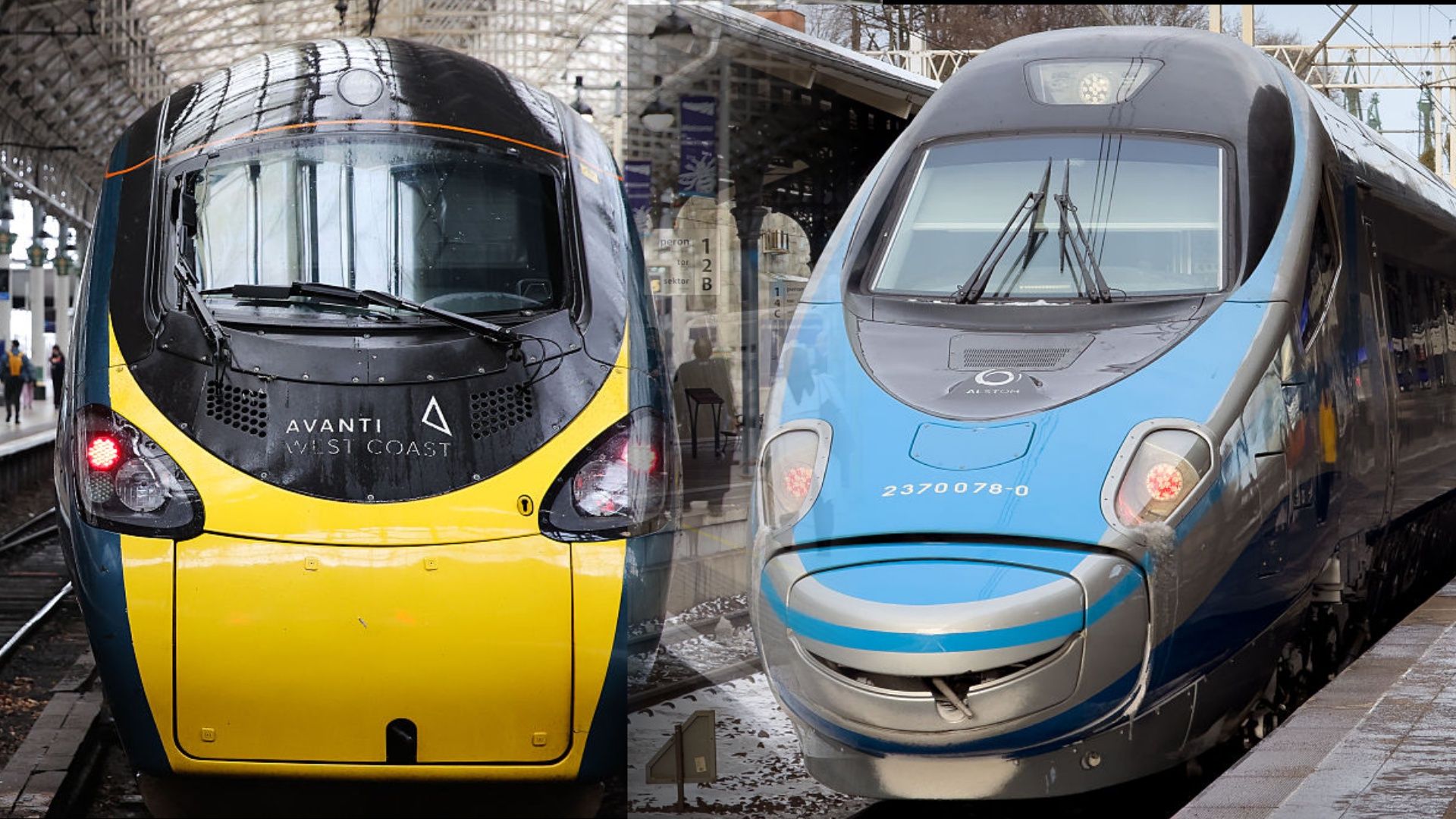
PKP Intercity has officially opened the procurement process for the acquisition of high-speed trainsets, marking a significant step in the modernization of Poland’s railway infrastructure. According to the state-owned operator, four distinct entities have submitted bids to supply these new high-speed vehicles, which are intended to operate on the future Central Transport Hub (CPK) network and upgraded existing lines. Among the bidders is a company with Polish capital, signaling a shift in the competitive landscape for major domestic rail contracts.
The procurement procedure is designed to facilitate the introduction of trains capable of reaching speeds of at least 250 kilometers per hour. As reported by the Rynek Kolejowy industry portal, the tender attracted interest from major international manufacturers and local industry players. The project, which is closely tied to the broader strategy of the Ministry of Infrastructure, aims to integrate the Polish rail system more effectively into the European high-speed network. Official documents from the Ministry of Infrastructure indicate that the investment is part of a long-term plan to increase passenger capacity and reduce travel times between major Polish cities.
The Scope of the Procurement
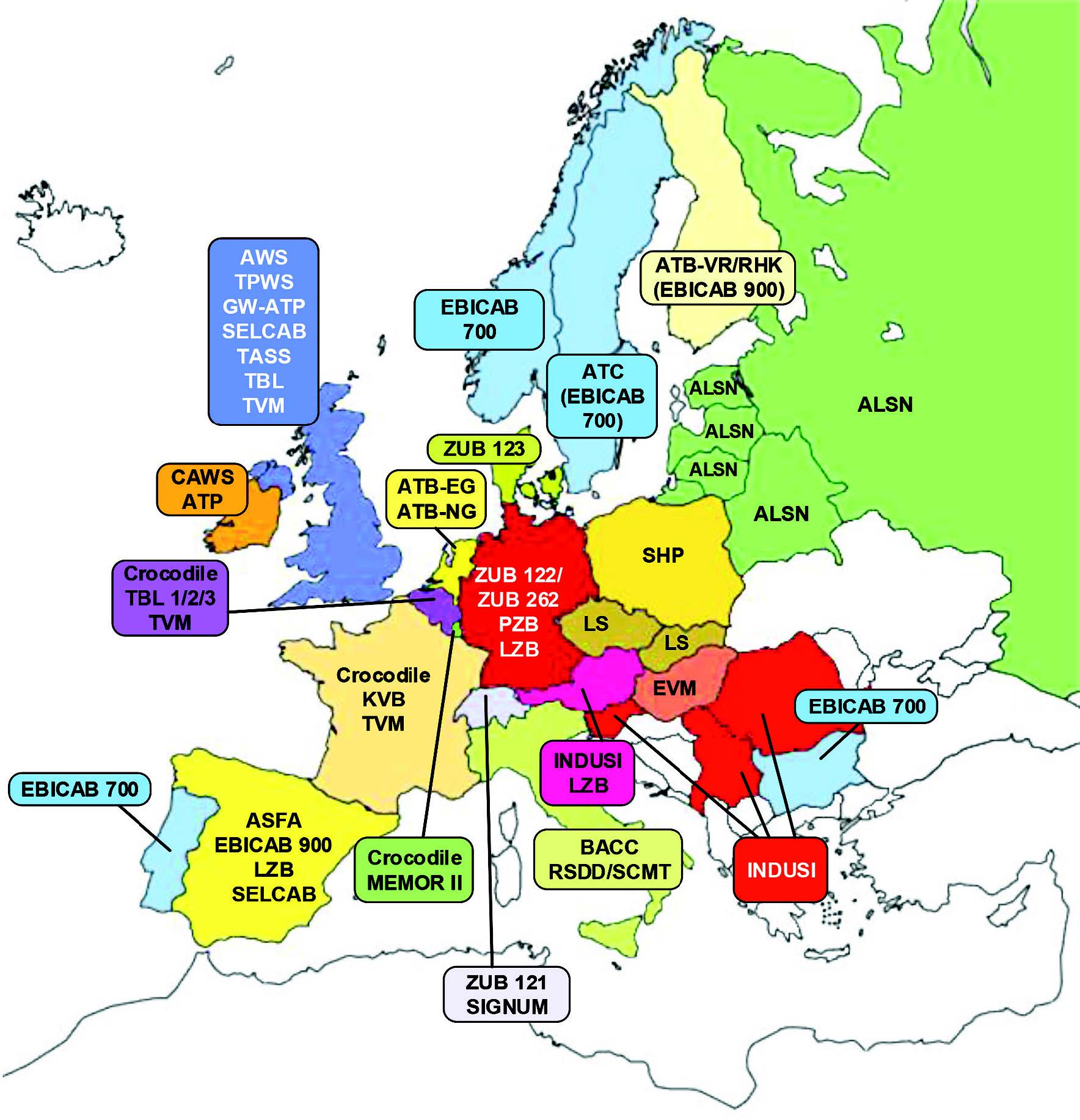
The tender launched by PKP Intercity covers the delivery of multiple high-speed train units, along with the provision of maintenance services. According to official data from PKP Intercity, the technical specifications require the vehicles to be fully interoperable with existing rail standards, including ETCS (European Train Control System) Level 2. The project scope also includes the training of personnel and the delivery of necessary diagnostic equipment.
Industry analysts note that the requirement for high-speed capabilities necessitates significant investment in rolling stock that is both aerodynamically efficient and capable of handling complex power supply requirements. The nakolej.pl portal reported that the bidders were evaluated based on a combination of price, technical performance, and lifecycle costs. This multi-criteria approach is standard for large-scale public procurement in the European Union, ensuring that the operator does not focus solely on the lowest initial purchase price.
Market Participants and Local Content
The presence of a company with Polish capital among the four bidders has drawn attention from local industrial observers. PESA Bydgoszcz, a prominent Polish manufacturer, has been publicly discussing its strategy for the high-speed rail market, including potential partnerships with international technology providers. In recent statements, PESA executives highlighted their focus on utilizing lightweight materials, such as aluminum, and exploring advanced engineering solutions to meet the demanding requirements for high-speed train construction.

The Kolejowy Portal confirmed that the four bidders represent a mix of established international rolling stock manufacturers and domestic industrial groups. While the identities of all four consortiums have been subject to intense industry speculation, the formal evaluation phase is currently underway. The integration of local manufacturing capacity is considered a strategic priority by the government, as it seeks to stimulate domestic economic growth while upgrading critical transport infrastructure.
Strategic Importance for Poland’s Infrastructure
The development of a high-speed rail network is a cornerstone of Poland’s economic strategy to improve domestic connectivity. According to reports from Rzeczpospolita, the government has already established clear targets for the number of high-speed trainsets required to service the planned routes. These routes are expected to connect major metropolitan areas, including Warsaw, Łódź, Poznań, and Wrocław, significantly reducing transit times for both business and leisure travelers.

Beyond the immediate benefit to passengers, the acquisition of these trains is expected to influence the regional supply chain. The project requires the establishment of modern maintenance facilities, which will likely create high-skilled jobs and require specialized technical training. As the process moves forward, the focus will shift from the initial bidding stage to technical validation and the eventual selection of the preferred supplier.
Next Steps in the Selection Process
The procurement process remains in the evaluation stage. PKP Intercity is currently reviewing the technical and financial proposals submitted by the four applicants. According to the standard procurement timeline observed in similar European rail projects, the next major milestone will be the announcement of the preliminary selection, followed by a period for potential appeals and final contract negotiations. There is no official date yet for the final contract signing, as this depends on the complexity of the ongoing evaluation.
Interested parties and stakeholders are encouraged to monitor the official PKP Intercity procurement portal for updates on the tender status and future announcements. As this high-speed rail initiative progresses, further details regarding the delivery schedules and specific technical milestones will be released in accordance with public procurement transparency regulations. We will continue to track this story as more information becomes available through official channels.
What are your thoughts on the future of high-speed rail in Poland? Join the discussion in the comments section below and share this article with your professional network to keep them informed on the latest developments in European infrastructure.
Keep reading