
The influence of technology industry funding in United States political campaigns has sparked renewed debate following recent electoral outcomes in New York, where substantial spending by artificial intelligence advocates failed to secure desired results. According to reports from the New York Times, the defeat of candidates supported by tech-aligned interests has led to a noticeable cooling in public advocacy from industry backers who previously sought to leverage financial contributions for policy influence. This trend marks a shift in how stakeholders approach legislative engagement, as recent cycles show that significant financial investment does not guarantee electoral victory.
The role of artificial intelligence in political campaigning has become a central issue for voters and regulators alike. While major tech companies and industry-affiliated political action committees have directed millions of dollars toward specific races, the return on this investment remains under scrutiny. Data from the Guardian indicates that these expenditures are part of a broader strategy to shape the regulatory environment surrounding emerging technologies. However, the outcomes in recent primaries suggest that local voter priorities often diverge from the interests of large-scale tech donors.
The Impact of Tech Spending on Local Races
The recent NPR analysis of political financing reveals that tech-sector donors are increasingly focused on state-level legislative seats. By targeting these races, industry backers aim to influence the drafting of state-specific AI regulations before they move to the federal level. In New York, the New York State Board of Elections records show that campaign finance disclosures are increasingly populated by entities linked to the tech industry, signaling a concerted effort to build a network of favorable lawmakers.
Despite these efforts, the effectiveness of such spending is being questioned. In the case of Assembly member Alex Bores, his victory was framed by some observers as a test case for AI-friendly policy support, yet his subsequent challenges underscore the complexities of campaigning on tech-specific platforms. As reported by the New York Times, the political climate in New York remains sensitive to the broader implications of automation and data privacy, which can alienate voters who are wary of tech influence.
Why Industry Backers Are Changing Tactics
The transition from aggressive public spending to a more cautious, “clamming up” approach stems from the potential for political blowback. When tech-funded campaigns become a focal point of public discourse, opponents often frame the candidates as being beholden to corporate interests rather than local constituents. This narrative has proven difficult to overcome, leading many donors to shift their funding toward less visible advocacy groups and lobbying firms.
According to the Vox coverage of the sector, the industry’s “win” in terms of funding volume has not translated into a “win” in terms of public perception. The Federal Election Commission continues to monitor the flow of independent expenditures, but as campaign finance laws allow for various forms of “dark money” contributions, the exact source of influence remains opaque to the average voter. This lack of transparency is a primary driver of the current public suspicion toward AI-aligned political action committees.
The Future of AI Regulation and Advocacy
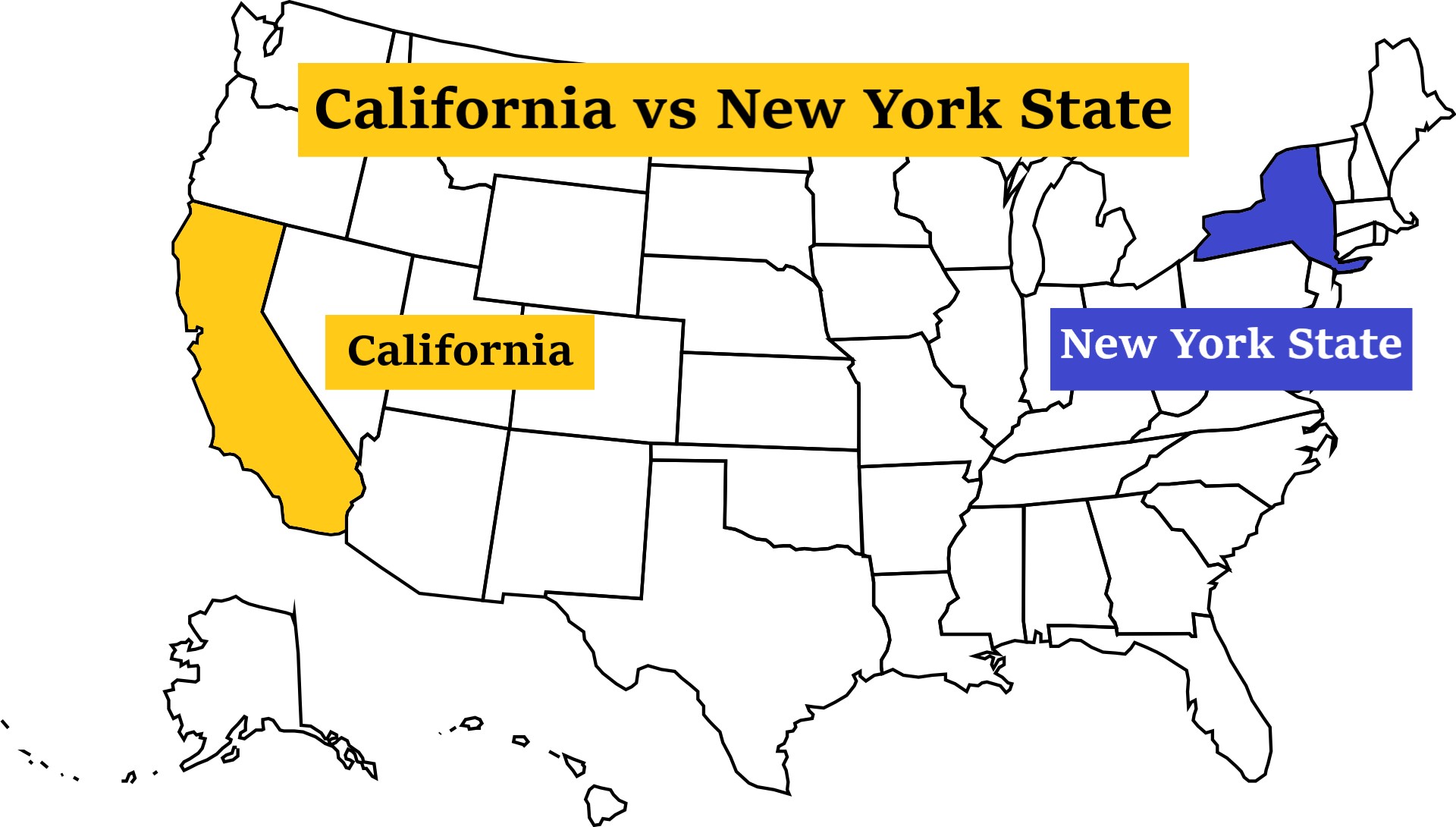
The current landscape suggests a stalemate between industry ambitions and legislative oversight. As lawmakers in states like California and New York consider comprehensive AI safety bills, such as the California SB 1047, the influence of tech-funded campaigns will likely remain a contentious topic. Authoritative sources, including the Brookings Institution, suggest that the next cycle of legislative sessions will be defined by how effectively tech companies can balance their lobbying efforts with the need for public trust.
For voters, the takeaway is clear: the influx of tech money into political campaigns is not a fleeting phenomenon. It is a long-term strategy designed to shape the legal framework of the digital economy. Whether this strategy succeeds or fails depends on the ability of local candidates to maintain independence while navigating the financial pressures of modern campaigning. The next major checkpoint for this issue will be the upcoming legislative session, where new proposals for AI oversight are expected to be introduced. Readers are encouraged to monitor state legislative calendars and campaign finance filings for further updates on this evolving situation.