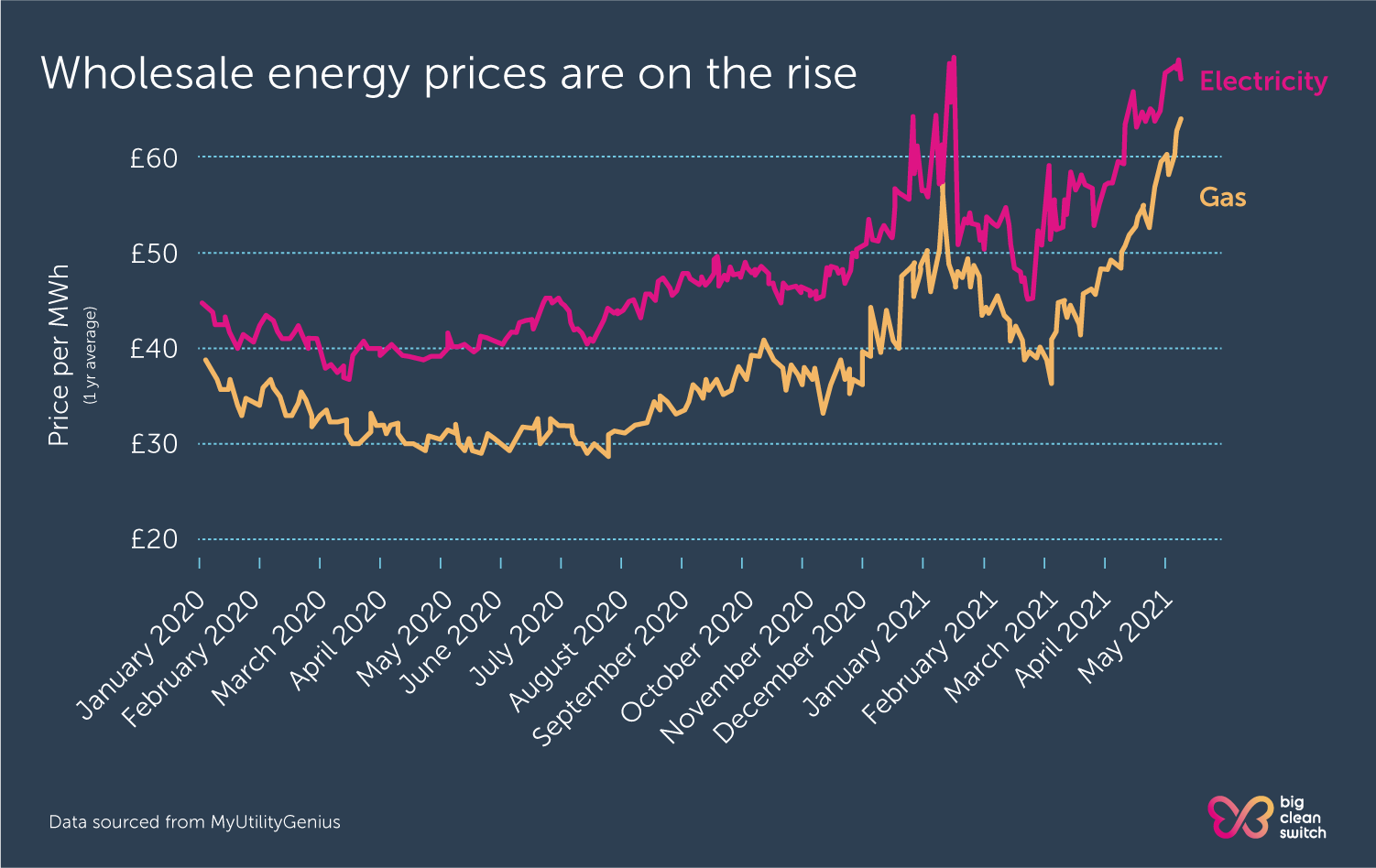
European households are facing a period of sustained volatility in electricity costs, as major energy providers signal that the era of predictable, low-cost power markets has likely ended. According to recent statements from utility executives, the transition toward renewable energy sources and ongoing geopolitical instability are creating a structural shift in how electricity prices are determined, forcing consumers to adapt to more frequent and unpredictable price swings.
This shift in the energy sector comes as regulatory bodies and consumer watchdogs emphasize the importance of understanding contract structures. With many households still relying on variable-rate plans, the susceptibility to wholesale market fluctuations remains high, making proactive contract management a necessary step for managing household budgets in the current economic climate, as detailed by the Authority for Consumers and Markets (ACM).
The Structural Shift in Energy Pricing
The primary driver behind these warnings is the integration of intermittent energy sources, such as wind and solar, into the national grid. Because these sources rely on weather conditions, supply levels can fluctuate rapidly, which in turn influences wholesale electricity prices on a daily or even hourly basis. Industry leaders note that as fossil fuel-based plants—which once provided a steady “baseload” of power—are phased out, the grid becomes more sensitive to these supply-side changes.
This volatility is compounded by global market dynamics. The International Energy Agency (IEA) has highlighted that energy security remains a critical factor, with European markets continuing to compete for global liquefied natural gas (LNG) supplies. These external pressures ensure that even as domestic renewable capacity grows, the wholesale price of electricity remains tethered to broader, often unpredictable, international trends.
Managing Variable vs. Fixed Contracts
For the average consumer, the distinction between fixed and variable energy contracts has become the most significant factor in monthly expenditure. A fixed contract provides price security for a set duration, typically one to three years, shielding the consumer from sudden spikes in wholesale costs. Conversely, a variable contract allows the provider to adjust rates, usually on a monthly or quarterly basis, to reflect current market conditions.
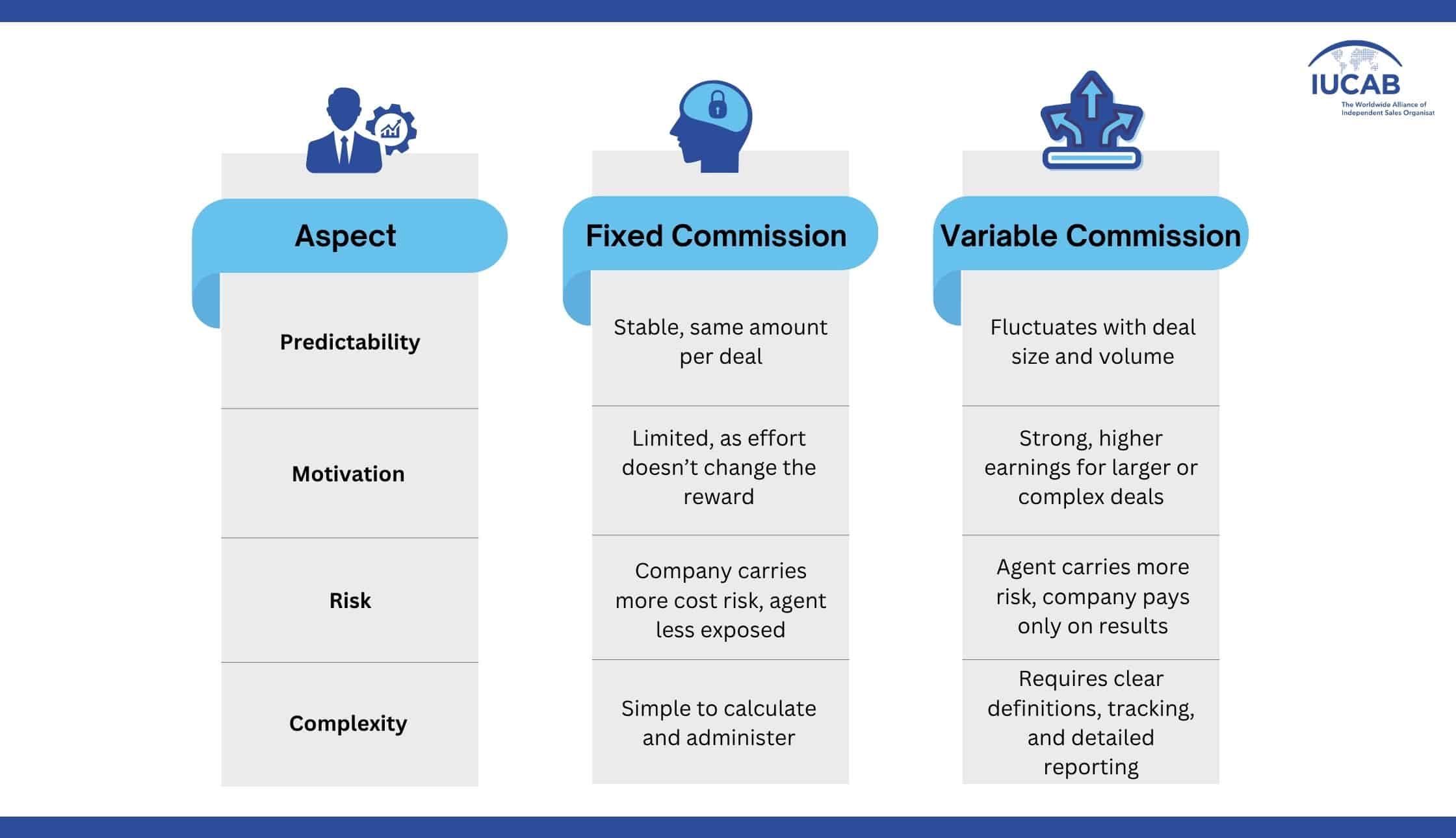
Data from independent energy price comparison platforms indicates that while variable contracts can be cheaper when wholesale prices drop, they offer no protection during periods of market stress. Consumers are encouraged to review their current energy agreements periodically to determine if the premium paid for a fixed contract is worth the peace of mind offered by rate stability. Regulatory guidance suggests that households should prioritize providers that offer transparent billing and clear notification periods for any rate adjustments.
Strategies for Household Energy Efficiency
Beyond contract selection, reducing overall consumption remains the most effective hedge against rising prices. Modern smart meters allow users to monitor their energy usage in real-time, providing an opportunity to shift high-consumption activities—such as running dishwashers or charging electric vehicles—to off-peak hours when electricity is typically less expensive. This practice, often referred to as “demand-side response,” is becoming increasingly common as utilities introduce dynamic pricing models.
Financial experts also point to the long-term benefits of home energy improvements. Investments in insulation, heat pumps, and solar panels can significantly lower a household’s reliance on the grid, effectively insulating them from market price volatility. Government-backed subsidies and low-interest loan programs are often available to facilitate these upgrades, and homeowners are encouraged to consult their national energy agency for specific local incentives.
Looking Ahead: The Next Regulatory Update
The energy market remains subject to ongoing review by European and national regulators. The next major checkpoint for consumers involves the scheduled updates to energy price caps and regulatory oversight measures, which are typically adjusted to align with broader EU climate targets and security policies. These updates are tracked via the European Commission’s energy portal, which provides the most current information on legislative changes and consumer rights protections.
As the market continues to evolve, staying informed is essential. Households are encouraged to check for official announcements regarding energy policy shifts every quarter. If you have questions about how these market trends are affecting your specific region or if you have successfully transitioned to a new energy strategy, please share your experiences in the comments section below to help our global community stay informed.