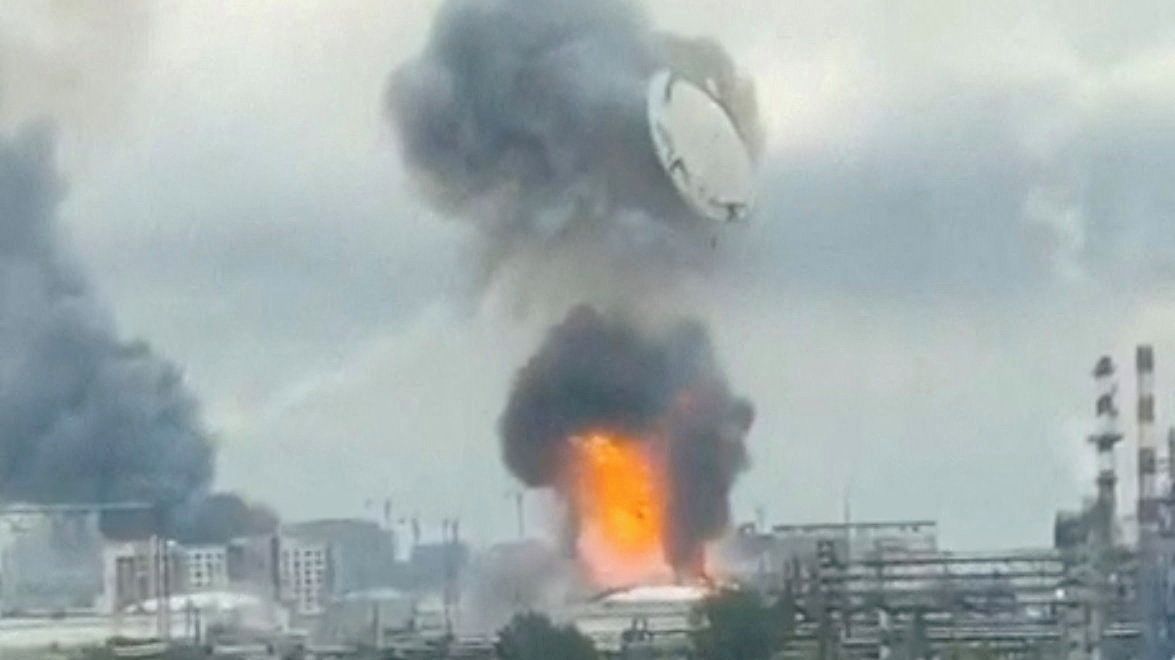
Ukraine’s recent military operations within Russian territory represent a significant shift in the strategic landscape of the ongoing conflict, forcing both Kyiv and Moscow to recalibrate their long-term security expectations. While international observers are closely monitoring the tactical successes of these incursions, the broader implications involve a complex reevaluation of Russian domestic stability, border security, and the political durability of the Kremlin’s wartime narrative.
According to reports from the Institute for the Study of War (ISW), Ukrainian forces have utilized a combination of drone strikes and ground maneuvers to challenge Russian logistical hubs and fuel depots far from the front lines. These actions, which the government in Kyiv frames as a necessary response to ongoing Russian aggression, have prompted the Russian Ministry of Defense to increase air defense deployments in border regions. As noted by the Reuters news agency, these engagements have moved the physical reality of the war into the Russian interior, effectively challenging the Kremlin’s attempts to insulate its population from the consequences of the invasion initiated in February 2022.
Shifting Strategic Priorities for Kyiv
For President Volodymyr Zelenskyy, the decision to extend military operations into Russian territory is aimed at forcing Moscow to divert resources from the occupied regions of eastern and southern Ukraine. By creating new zones of instability, Kyiv seeks to degrade the operational capacity of the Russian military. The Kyiv Post has reported that these maneuvers are part of a broader strategy to disrupt supply chains that fuel the Russian war machine, particularly in the Kursk and Belgorod regions.
This strategy is not without risk. Military analysts, including those from the Royal United Services Institute (RUSI), suggest that while these operations provide tactical advantages and boost domestic morale in Ukraine, they require a precise allocation of limited manpower and advanced weaponry. The effectiveness of this approach depends heavily on the continued flow of international military aid, which remains a primary focus of Ukrainian diplomatic efforts in Washington and Brussels.
The Domestic Impact Inside Russia
The Kremlin’s response to these incursions has focused on containment and the minimization of the perceived threat to domestic security. Official statements from the Russian government have characterized the attacks as “provocations,” yet the frequency of these events has forced a shift in domestic security protocols. The BBC has documented the implementation of increased security measures in several Russian border towns, including the evacuation of civilians from areas deemed high-risk by regional authorities.
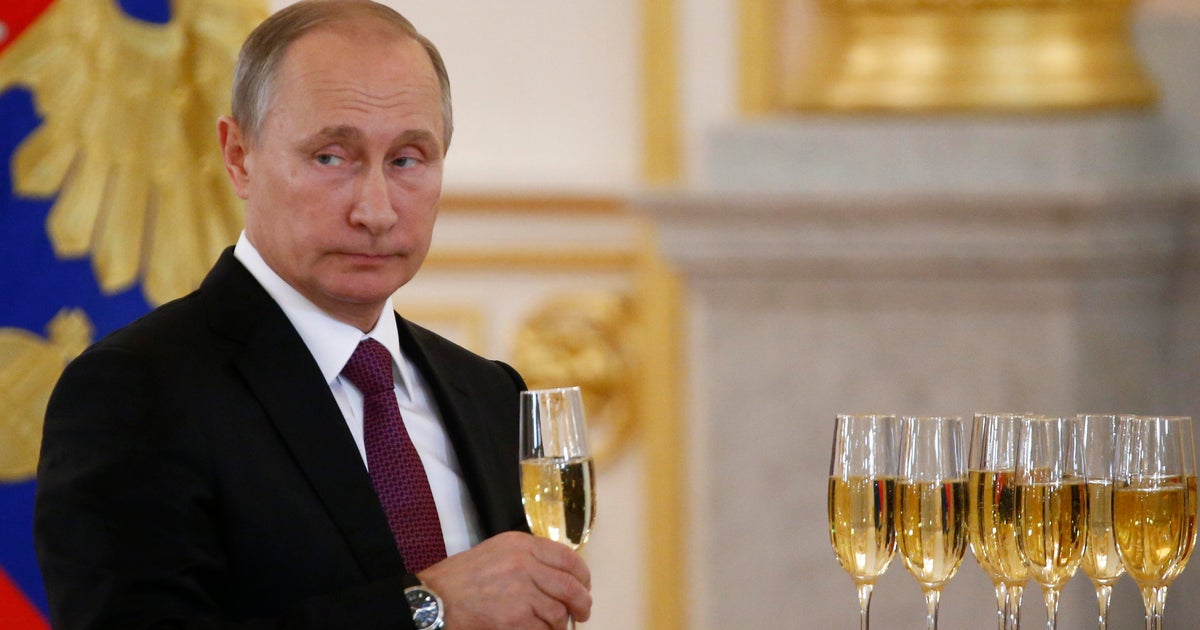
Beyond the immediate security concerns, there is a growing debate among geopolitical analysts regarding the long-term impact on Vladimir Putin’s authority. The inability of the Russian military to fully secure its own borders has created a visible gap between the Kremlin’s rhetoric of invulnerability and the reality on the ground. As reported by the New York Times, this dynamic complicates the domestic narrative for the Russian leadership, forcing state media to navigate a difficult balance between acknowledging the conflict and maintaining the image of a stable, secure nation.
The Role of Intelligence and Asymmetric Warfare
A critical component of this phase of the conflict is the role of Ukrainian intelligence, particularly the Main Directorate of Intelligence (HUR), led by Kyrylo Budanov. Reports indicate that the use of unconventional tactics—such as sabotage operations and targeted strikes on high-value infrastructure—has become a cornerstone of Ukraine’s defense doctrine. According to the Atlantic Council, these efforts are designed to create a sense of psychological pressure within the Russian security apparatus, forcing the Kremlin to account for vulnerabilities that were previously ignored.

This asymmetric warfare is not merely about physical destruction; it is a calculated effort to alter the cost-benefit analysis of the war for the Russian elite. By demonstrating that the conflict is not confined to Ukrainian soil, Kyiv is attempting to undermine the perception that the war can be sustained indefinitely without significant domestic costs. The success of this strategy remains, however, contingent on the ability to maintain these operations without triggering a disproportionate escalation that could alienate international partners.
Looking Ahead: The Next Phase of Operations
As the conflict continues, the focus will remain on whether these incursions can be sustained as part of a coherent, long-term strategic plan. The North Atlantic Treaty Organization (NATO) has emphasized that Ukraine has the right to defend itself, including by striking military targets within Russia that are used to attack Ukrainian territory. This official stance provides a framework for how the international community views the legitimacy of these operations.
Observers are currently tracking the next major developments, including the upcoming meetings of the Ukraine Defense Contact Group, which will determine the scope of future military assistance packages. These meetings are expected to address both the immediate tactical needs of the Ukrainian Armed Forces and the long-term requirements for maintaining the current operational tempo. As the situation evolves, the effectiveness of both Kyiv’s strategic gambles and Moscow’s defensive adaptations will likely dictate the next phase of the war. Readers are encouraged to follow official updates from defense ministries and verified news outlets for ongoing developments in this rapidly changing theater of operations.
Keep reading