
Bitcoin prices have faced renewed volatility this week as investors recalibrate their expectations following the release of the latest U.S. Personal Consumption Expenditures (PCE) price index data. While the flagship cryptocurrency saw a brief push toward the $58,000 threshold, market participants remain cautious as macroeconomic indicators suggest a complex landscape for risk assets. The recent price movement reflects a broader tension between cooling inflation signals and the persistent institutional interest in digital asset strategies.
According to the U.S. Bureau of Economic Analysis, the PCE price index—the Federal Reserve’s preferred gauge of inflation—rose by 0.2% in July, aligning with market expectations. This data point is critical for investors, as it informs the Federal Reserve’s upcoming decisions on interest rates. When inflation data suggests stability, risk assets like Bitcoin often see short-term gains; however, the sustainability of these moves remains under scrutiny by global financial analysts.
Macroeconomic Data and Market Reaction
The movement toward the $58,000 price level occurred in the immediate aftermath of the PCE report. Market analysts often look to these figures to determine the probability of a rate cut in September. If the Federal Reserve opts for a more aggressive monetary easing policy, liquidity could potentially flow into high-risk assets. However, as noted by the Federal Open Market Committee, the path toward a 2% inflation target remains a primary focus, leaving little room for market complacency.

Investors are currently weighing the impact of these economic variables against the backdrop of large-scale corporate holdings. Strategies involving significant Bitcoin accumulation have become a focal point of institutional discourse. Recent filings and public statements from major firms indicate that the “corporate treasury” approach to Bitcoin—where companies treat the asset as a primary reserve—is being tested by current market fluctuations and external macroeconomic pressures.
Institutional Strategy and Potential Risks
The “cracks” in institutional Bitcoin strategies often appear not in the technology itself, but in the balance sheets of the entities holding them. When market volatility increases, the cost of maintaining high-leverage positions can become prohibitive. According to reports from Reuters regarding global market liquidity, firms that have aggressively leveraged their balance sheets to acquire Bitcoin are particularly sensitive to interest rate environments. If capital costs remain high, the ability to sustain these positions without liquidating assets becomes a central concern for shareholders.
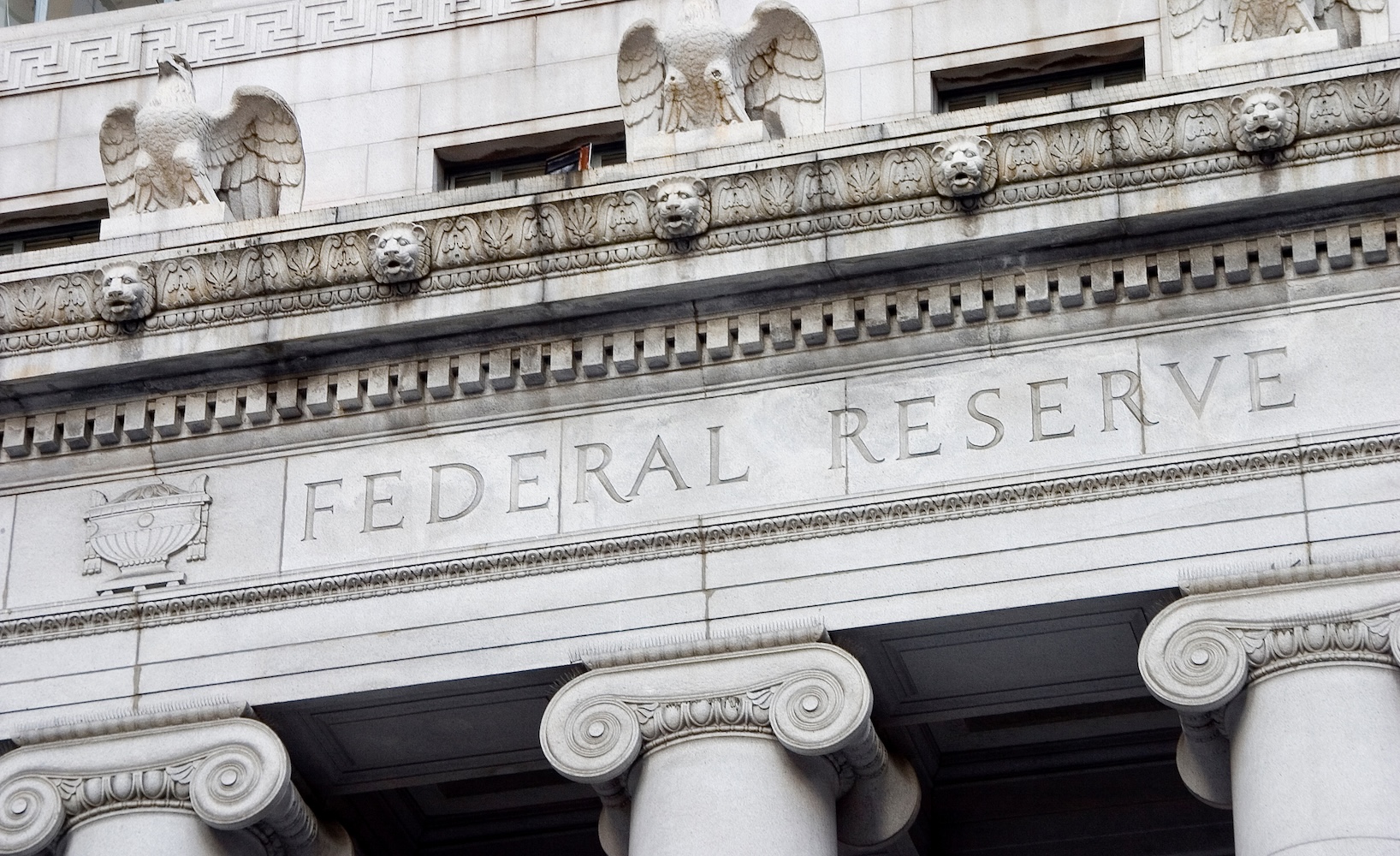
This dynamic creates a feedback loop: as the price of Bitcoin fluctuates, the underlying health of companies with heavy exposure is re-evaluated by the market. Analysts from major financial institutions have pointed out that while digital assets provide a hedge against fiat currency debasement, they do not currently offer a shield against the liquidity constraints imposed by central bank policies.
What Investors Should Monitor Next
The next major checkpoint for the market is the upcoming Federal Reserve meeting, where policymakers will provide updated projections on interest rates. These projections, often referred to as the “dot plot,” will offer the most direct insight into how the Fed views the current inflation trajectory. Investors should look for official Federal Reserve press releases following their deliberations to understand the potential impact on global market liquidity.

Beyond interest rates, market participants are closely watching the net flow of institutional funds. Data from providers like Bloomberg often track the movement of capital into and out of spot Bitcoin ETFs, which serve as a proxy for institutional sentiment. A sustained outflow from these products could indicate that the “cracks” in institutional confidence are deepening, regardless of short-term price spikes in the spot market.
As the economic environment evolves, the disconnect between asset price performance and corporate solvency remains the primary risk factor. Readers are encouraged to monitor official filings and verified economic reports to track how these strategies adapt to the changing fiscal climate. We welcome your insights on the intersection of monetary policy and digital asset management in the comments section below.
Worth a look