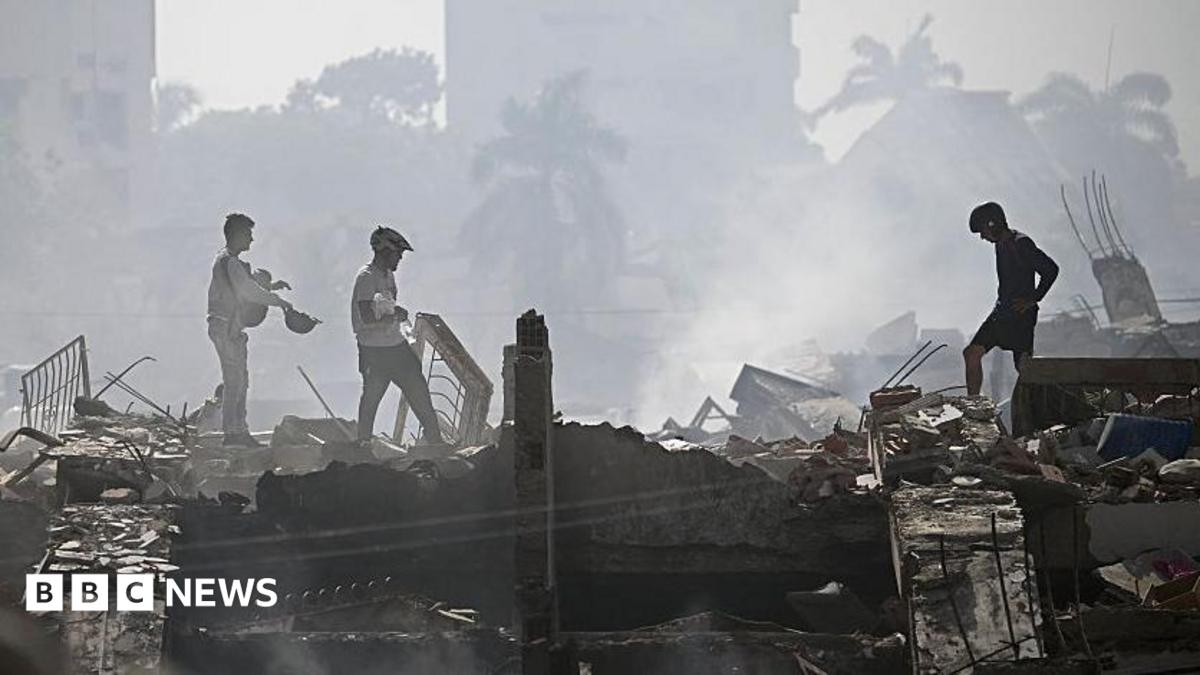
Rescue teams in Venezuela are working through the debris of collapsed buildings following a series of powerful seismic events that have resulted in at least 235 confirmed deaths. The disaster, which involved two shallow earthquakes measuring above 7.0 magnitude occurring in rapid succession, has left an estimated 1,500 people injured and triggered a massive humanitarian response across the affected regions. Emergency personnel and local volunteers continue to search for survivors trapped under the rubble as the government mobilizes national resources to address the urgent medical and infrastructure crises.
The seismic activity, characterized by its shallow depth and high intensity, struck with enough force to compromise critical infrastructure, including hospitals, residential complexes, and power grids. According to United States Geological Survey (USGS) data, shallow earthquakes of this magnitude are particularly destructive because the energy release occurs closer to the surface, causing more intense ground shaking than deeper events. The Venezuelan government has declared a state of emergency in the hardest-hit provinces, directing the military and civil protection agencies to prioritize search-and-rescue operations in densely populated urban centers.
Scale of the Humanitarian Crisis
The casualty figures continue to evolve as search teams reach isolated areas. As of the latest official update from the Venezuelan Civil Protection agency, the death toll stands at 235, with nearly 1,500 individuals receiving treatment for trauma, crush injuries, and secondary health complications. Hospitals in the region, already operating under significant strain, are reporting critical shortages of medical supplies, blood stocks, and surgical equipment needed to treat the influx of patients.

The dual-shock nature of the quakes—hitting within seconds of one another—meant that many structures already weakened by the initial impact suffered total collapse during the second tremor. This phenomenon has hindered rescue efforts, as engineers must now stabilize partially standing, unstable ruins before rescuers can safely enter. Local reports indicate that residents in several cities have spent the last 24 hours in open spaces, fearing aftershocks that remain a persistent threat to public safety.
Infrastructure and Regional Impact
Beyond the immediate human toll, the earthquakes have caused extensive damage to the country’s electrical grid and water sanitation systems. Large swaths of the affected territory remain without power, complicating communication efforts and the ability of hospitals to provide consistent care. The International Federation of Red Cross and Red Crescent Societies has begun coordinating with local chapters to provide temporary shelter, clean water, and emergency food rations to displaced families.
The economic impact on the region is expected to be severe. Transportation corridors, including major highways and bridges, have sustained cracks and structural failures, impeding the delivery of heavy machinery required to lift large concrete slabs. According to independent seismic analysts, the shallow nature of the quakes suggests that the rupture zone likely spans a significant portion of the local fault line, which may lead to smaller, yet potentially dangerous, seismic activity in the coming days.
Safety Guidance and Official Updates
For those in affected areas, authorities advise staying clear of damaged buildings and monitoring official radio broadcasts for evacuation instructions or water safety advisories. The government has established several temporary aid stations where residents can register for emergency assistance and access medical triage. Because of the risk of structural failure, citizens are being urged to avoid attempting to salvage personal property from buildings that have not been cleared by municipal engineers.

The next major update from the Minister of Interior and Justice is expected within the next 12 hours, at which point the government plans to release a more detailed assessment of the damaged infrastructure and the status of international aid requests. As the recovery phase begins, the priority remains the identification of victims and the stabilization of the electrical grid to prevent further service disruptions. We will continue to monitor the situation closely as more information becomes available. If you have any information or updates from the ground, please feel free to share your thoughts in the comments section below.
Worth a look