
The United States Supreme Court has issued a series of rulings that significantly bolster the executive authority of the Trump administration regarding immigration policy and asylum procedures. These decisions, which emerged from various legal challenges, have fundamentally altered the landscape for asylum seekers and individuals holding Temporary Protected Status (TPS), effectively narrowing the scope of humanitarian protections available under federal law.
According to official court records, these rulings validate the administration’s push to restrict entry at the southern border and streamline the deportation process for individuals who may not meet evolving statutory requirements for asylum. The legal shift reflects a broader trend of judicial deference to executive branch decision-making in matters of national security and border control, as detailed in Supreme Court opinions concerning the intersection of domestic policy and international humanitarian obligations.
Legal Precedents and the Scope of Executive Authority
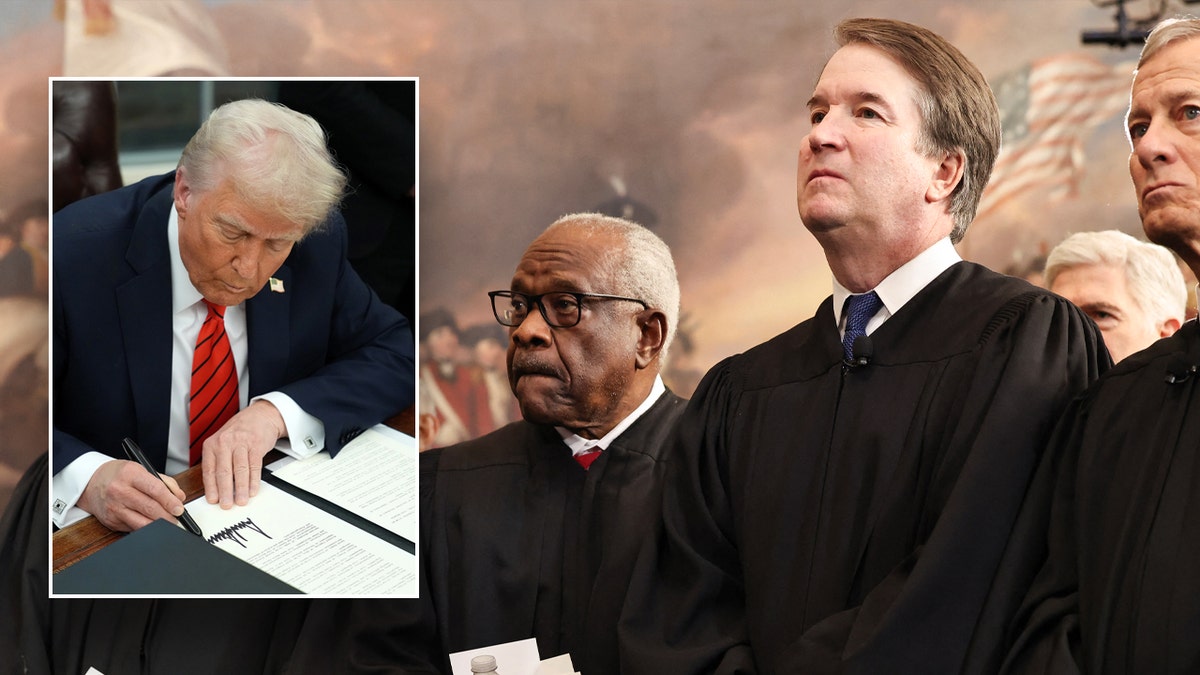
At the center of these developments is the judicial interpretation of the Immigration and Nationality Act. The Supreme Court has consistently held that the executive branch maintains wide latitude to set terms for asylum eligibility. By upholding various administration directives, the Court has effectively signaled that federal agencies possess the primary authority to determine who qualifies for entry, often overriding lower court injunctions that had previously sought to block these measures.
The impact of these rulings is most visible in the administration’s “Remain in Mexico” policy and subsequent efforts to limit asylum claims for those who transit through third countries. As noted by the Department of Justice, these policies are designed to reduce the backlog of cases in immigration courts by discouraging what officials describe as meritless claims. Critics, however, argue that these changes violate long-standing international norms regarding the treatment of refugees, a tension that remains a focal point of ongoing litigation in appellate courts.
The Impact on Temporary Protected Status
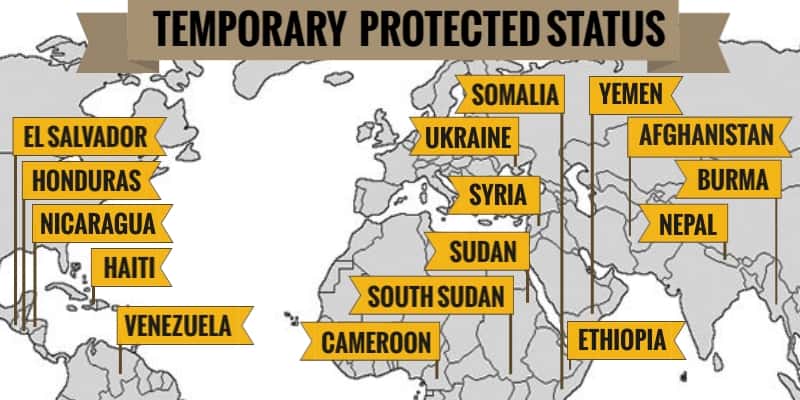
The Supreme Court’s approach to Temporary Protected Status (TPS) has also marked a significant shift for thousands of foreign nationals residing in the United States. TPS is a temporary immigration status provided to nationals of certain countries experiencing ongoing armed conflict, environmental disaster, or other extraordinary and temporary conditions. The Court’s recent focus has been on the criteria for maintaining this status and the government’s power to terminate it.
In cases involving nationals from countries such as Haiti and Syria, the Court has examined whether the executive branch’s decision to terminate TPS designations is subject to judicial review. Legal experts observe that by limiting the ability of the courts to second-guess the Department of Homeland Security’s findings on country conditions, the judiciary has effectively shielded the administration from challenges based on allegations of discriminatory intent. Further information on these designations and their current status can be found via the U.S. Citizenship and Immigration Services official portal.
The Debate Over Asylum and Border Security
The administration’s immigration agenda has been characterized by a transition from traditional asylum processing to a system that emphasizes border deterrence. Senior officials, including those involved in the development of these policies, have publicly stated that the primary objective is to ensure that the nation’s borders are secure and that the asylum system is not exploited. This perspective emphasizes that the rule of law necessitates strict adherence to entry protocols, even when such measures result in the denial of entry to vulnerable populations.
Conversely, civil rights organizations and humanitarian groups contend that these rulings have created a “closed-door” environment that leaves asylum seekers in dangerous conditions while awaiting adjudication. The friction between these two viewpoints underscores the complexity of immigration law, where the definition of “extraordinary circumstances” can vary significantly depending on the administration in power. The American Civil Liberties Union has frequently challenged these policies, arguing that they undermine the fundamental due process rights of individuals seeking refuge from persecution.
What Happens Next for Immigration Litigants
The immediate consequence of these Supreme Court rulings is the solidification of the current administrative framework. Lower courts are now largely bound by these precedents, meaning that future challenges to similar immigration policies face a higher evidentiary burden. Legal analysts expect the next phase of this conflict to take place in the regulatory sphere, as the administration continues to refine its guidance on asylum eligibility and deportation procedures.
For those currently navigating the immigration system, the path forward remains tied to the specific deadlines set by the Department of Homeland Security. Individuals affected by changes to TPS or asylum protocols are advised to monitor official updates through the Federal Register for any changes in eligibility or filing requirements. As the legal landscape continues to evolve, the discourse surrounding the balance between national sovereignty and international humanitarian commitments is expected to remain a central issue in the American political and legal landscape. Readers are encouraged to share their perspectives or follow the ongoing developments as new filings are submitted to the courts.
Keep reading