Primary elections on Tuesday, August 11, 2026, across Wisconsin and Minnesota highlight sharp ideological divisions within the Democratic Party. Insurgent progressive candidates challenged establishment figures in high-stakes gubernatorial and Senate races, testing whether the party’s left wing can win swing-state voters crucial for future national majorities.
Wisconsin Governorship Race Tests Progressive Viability in a Crucial Swing State
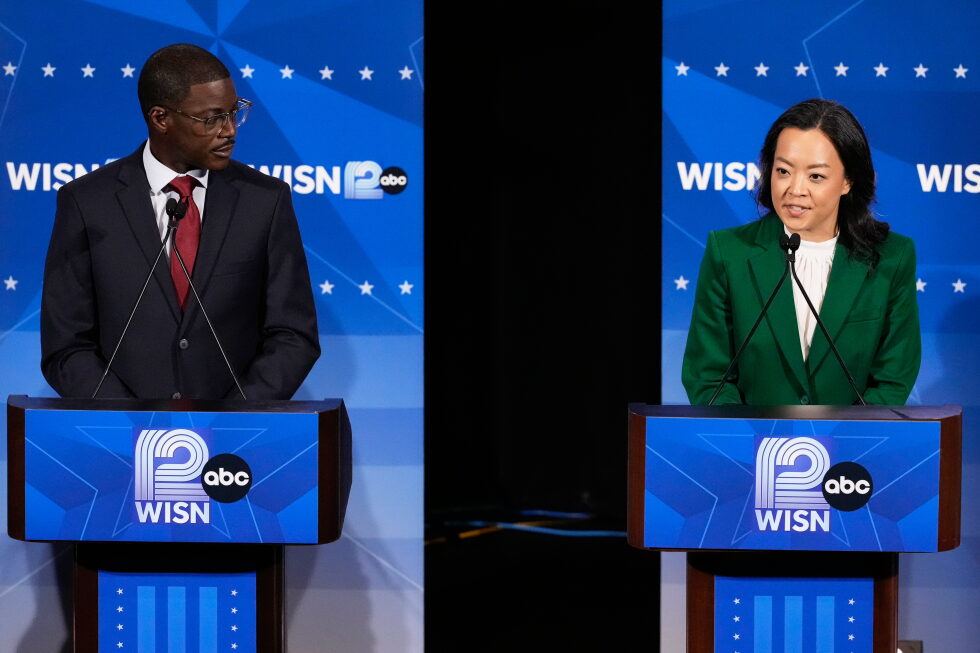
The Democratic primary for governor in Wisconsin showcased the ongoing struggle between the party’s ideological left and center. State Representative Francesca Hong, a self-described democratic socialist, emerged as the front-runner in the contest. Her insurgent campaign caused significant anxiety among mainstream party leaders who worried about her general election appeal.
Democratic strategists feared that Hong could drag down the rest of the ticket in November. Jessica Taylor, the Senate and governors editor with the Cook Political Report, noted in an interview with NPR that Hong struggled with media appearances and communication during the campaign.

“She just kind of needs to come across as being normal. And when she talks about, for instance, canceling Thanksgiving or something like that, if she comes across as too outside of the mainstream, that’s where she really risks, I think, alienating those critical swing voters in the state.”
Jessica Taylor, Cook Political Report, via NPR
Despite these communication stumbles, Hong benefited from a crowded primary field that fractured moderate votes. Former Lieutenant Governor Mandela Barnes dropped out of the race late last month, but other traditional candidates remained on the ballot. Hong’s policy positions, including her call for a data center moratorium, helped fuel her rise among the progressive base, even as opponents highlighted past controversial statements such as her vocal support for defunding the police in 2020
, a position she later disavowed.
National Stakes for Redistricting and Presidential Control in 2028
The outcome in Wisconsin carries immense weight for the national Democratic Party beyond state borders. President Donald Trump won Wisconsin in 2024, and the state legislature has long remained under Republican control. Democrats viewed winning the governor’s mansion as essential for countering the edge built by the GOP during mid-decade redistricting.
Without control of the governorship, national Democrats face a difficult path toward reclaiming a House majority in 2028. Furthermore, winning Wisconsin is viewed as nearly indispensable for capturing the White House in 2028, given that the governor plays a critical role in certifying election results.
The winner of the Democratic primary will face Republican Representative Tom Tiffany in the November midterm elections. Tiffany secured a comfortable victory in his primary backed by an endorsement from Trump, running a campaign emphasizing local issues and his background as a former dam tender.
Senate Battles in Minnesota Highlight Moderate Versus Liberal Splits
To the north, Minnesota voters decided a contentious Democratic primary for the open U.S. The contest pitted moderate Representative Angie Craig against liberal Lieutenant Governor Peggy Flanagan.
Generational Shifts and Broader Congressional Primary Fallout
The upper Midwest contests formed part of a broader national wave of anti-establishment sentiment within both major parties. In Connecticut, 78-year-old Democratic Representative John Larson lost his primary bid to 47-year-old former Hartford mayor Luke Bronin. Larson served 14 terms in the House and became the 10th member of Congress to lose a primary race during the year, reflecting intense bipartisan voter frustration with aging legislative veterans.
Meanwhile, in South Carolina, a Republican primary to replace the late Senator Lindsey Graham featured his sister, Darline Graham, advancing to a runoff election. Backed by an endorsement from Trump, Darline Graham will face Representative Ralph Norman in a runoff showdown in two weeks to determine who competes for the Senate seat.
Related reading