
Security researchers have identified a significant number of compromised Android devices, including streaming sticks and smart TVs, being sold through major online marketplaces. These devices often run uncertified versions of the Android Open Source Project (AOSP) and may contain pre-installed malware designed to hijack home networks for illicit activities, according to recent security analyses.
The threat involves a massive scale of uncertified hardware that bypasses the standard security protocols found in mainstream consumer electronics. By utilizing the open-source nature of Android, certain manufacturers are able to distribute devices that lack the essential security layers provided by official software ecosystems, leaving users vulnerable to data theft and network intrusion.
What is the BADBOX malware campaign?
Security analysts have tracked a large-scale malicious campaign, frequently identified in research as “BADBOX,” which has impacted millions of uncertified devices. According to reports from Google’s Threat Analysis Group (TAG), this campaign targeted an estimated 10 million devices running the Android Open Source Project (AOSP). These devices are not standard smartphones but rather a variety of low-cost hardware, including streaming sticks, smart TVs, and even digital picture frames.
The core of the issue lies in how these devices are manufactured and distributed. While official Android devices undergo rigorous testing to receive Google Mobile Services (GMS) and Google Play Protect, uncertified AOSP devices do not. This lack of certification means the hardware can arrive in a consumer’s home with malicious code already embedded in the firmware. This code is often designed to operate in the background, utilizing the device’s connection to the user’s home network to facilitate illegal activities or participate in botnets.
Researchers note that once a specific cluster of devices is identified and taken down by security task forces, the threat actors often pivot. They move to new manufacturers or different product categories, making it a continuous cycle of evolution rather than a single, solvable event. This adaptability allows the malware to stay ahead of reactive, individual device reporting.
How do compromised Android devices enter the market?
The primary entry point for these devices is through large-scale global online retailers. While platforms like Amazon and Walmart maintain anti-fraud and product safety protocols, the sheer volume of third-party sellers makes total prevention difficult. Researchers argue that because these retailers command the majority of the market share, the issue is systemic rather than isolated to a few rogue vendors.
The supply chain for low-cost electronics is highly fragmented. Original Equipment Manufacturers (OEMs) in various regions may produce hardware that appears legitimate but uses customized, unverified versions of Android. These custom versions often include “bloatware”—pre-installed applications that, while sometimes harmless, can hide much more dangerous software. Because these apps are part of the system firmware, they often do not appear as visible icons in a user’s application list, making them nearly impossible for a standard consumer to find or uninstall.
This creates a significant gap in consumer protection. When a device is purchased, the user assumes it meets the same security standards as a major brand-name product. However, uncertified AOSP devices lack the “handshake” of security that Google’s official certification provides, allowing malicious actors to exploit the manufacturing process to embed persistent threats before the product even reaches the shipping dock.
Why is the use of AOSP a security risk for consumers?
To understand the risk, it is necessary to distinguish between official Android and the Android Open Source Project (AOSP). Official Android devices come with Google Mobile Services (GMS), which includes critical security components like Google Play Protect. This service constantly scans for malicious apps and provides security updates to patch vulnerabilities.
In contrast, AOSP is the foundation upon which Android is built, but it does not include the proprietary Google services that provide these security layers. Manufacturers can use AOSP to build devices without ever interacting with Google. While this is a legitimate practice for many specialized hardware types, it becomes a security loophole when used to sell consumer electronics that require high levels of privacy and security.
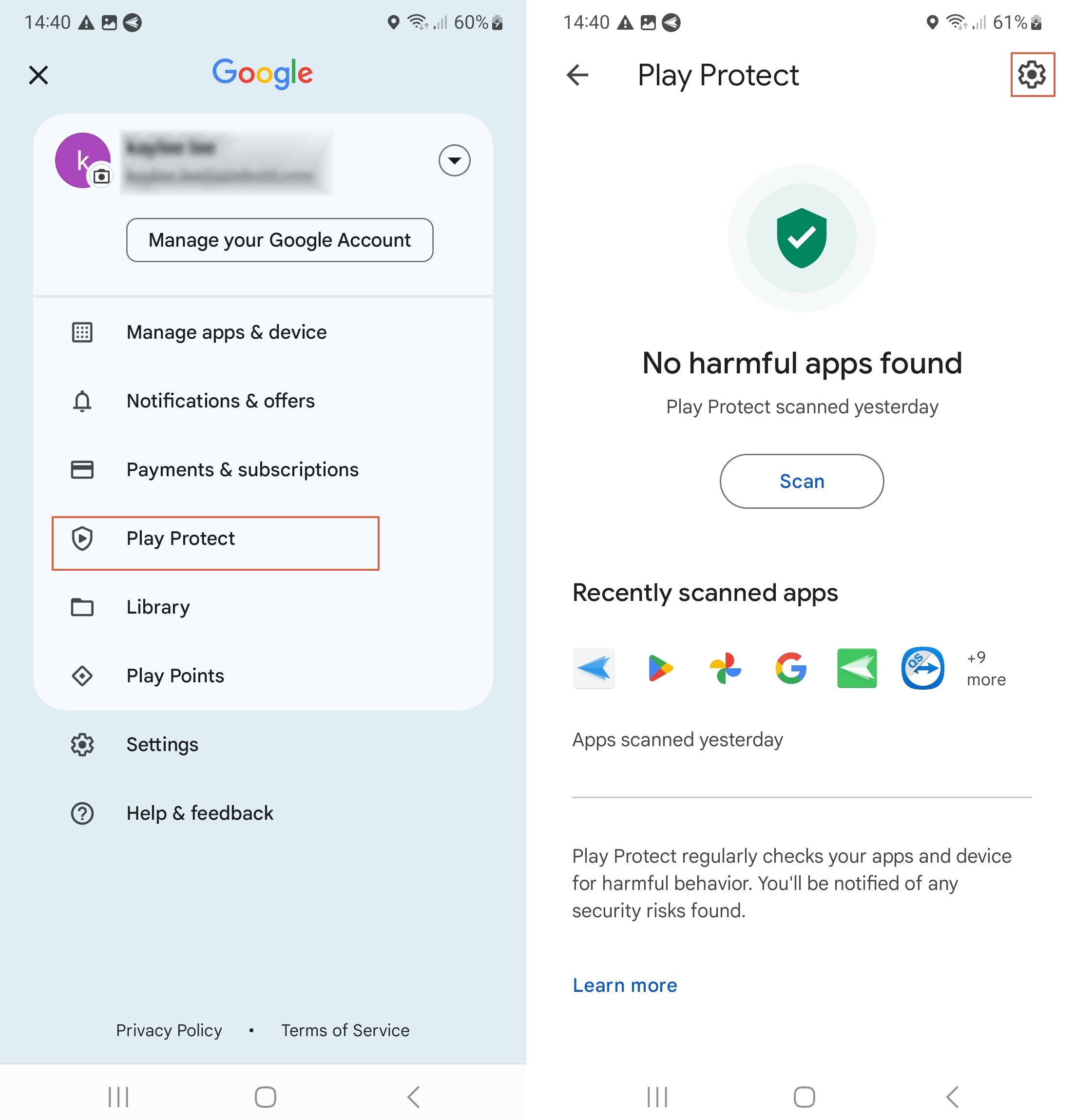
Without Google Play Protect, these devices have no built-in mechanism to detect if a new piece of malware has been introduced or if the existing firmware has been tampered with. This makes the device a “black box” to the user. If a manufacturer decides to include a hidden application that intercepts network traffic or captures keystrokes, the user has no standard software tool to identify the intrusion. This lack of transparency is the primary reason why security experts are calling for increased firmware accountability across the industry.
How can consumers identify and avoid these devices?
The Federal Bureau of Investigation (FBI) has issued specific guidance to help consumers avoid these security traps. A common tactic used by manufacturers of malware-laced devices is the promise of “free” content. The FBI has warned consumers to be extremely cautious of streaming devices that claim to provide free access to premium sports, movies, and television shows.
These “jailbroken” or unauthorized streaming boxes are a major red flag. The low price point and the lure of bypassing subscription services are often used to mask the fact that the hardware is fundamentally insecure. If a device’s primary selling point is its ability to provide paid content for free, it is highly likely to be running uncertified, potentially compromised software.
Consumers should also look for the following indicators of risk:
- Lack of Brand Recognition: Avoid generic, unbranded streaming devices that lack a clear manufacturer history or official website.
- Absence of Official Certification: Check if the device explicitly mentions support for Google Mobile Services or Google Play Protect.
- Suspicious App Behavior: If a device runs unusually hot, experiences significant battery drain (for handhelds), or shows unexpected network activity, it may be compromised.
- Opaque Pricing: Extremely low prices for devices that mimic high-end streaming sticks can indicate a trade-off in security and software integrity.
While identifying these devices is not always easy, staying informed about the patterns of these campaigns is the best defense. Consumers are encouraged to prioritize products from established manufacturers who provide transparent firmware updates and adhere to recognized security standards.
Essential Security Information
For users who may already own an uncertified Android device, the following steps can help mitigate potential risks:
- Isolate the device: If possible, place uncertified smart devices on a separate “guest” Wi-Fi network. This prevents a compromised device from easily communicating with your primary computers, smartphones, and sensitive data.
- Monitor network traffic: Use router-level tools to monitor for unusual outbound traffic, especially at odd hours, which could indicate a device is participating in a botnet.
- Avoid sensitive tasks: Do not use uncertified or generic Android devices for banking, accessing email, or any activity involving personal identification information.
- Prioritize transparency: When purchasing new hardware, look for manufacturers that provide clear documentation regarding their firmware and security update schedules.
Frequently Asked Questions
What is the difference between Android and AOSP?
Android is the complete consumer product that includes Google’s proprietary services (GMS) like the Play Store and security scanning. AOSP is the underlying open-source code that anyone can use to build their own version of the operating system, often without Google’s security features.
Can a smart TV actually infect my computer?
Yes. If a smart TV is compromised, it can act as a “pivot point” within your home network. Once an attacker has control over a device on your Wi-Fi, they can attempt to scan and attack other connected devices, such as laptops or smartphones, to steal data or install further malware.
Are all uncertified Android devices dangerous?
Not necessarily. Many legitimate, specialized devices use AOSP for specific functions. However, for general consumer electronics like streaming sticks and TVs, the lack of certification significantly increases the risk of pre-installed malware and unpatched vulnerabilities.
How can I tell if my device has Google Play Protect?
On most official Android devices, you can check this by opening the Google Play Store app, tapping your profile icon, and selecting “Play Protect.” If the device does not have the Play Store or these settings, it is likely an uncertified AOSP device.
Security researchers and government agencies continue to monitor these hardware campaigns. There are no currently scheduled official hearings regarding these specific retail vulnerabilities, but updates from the FBI and Google’s security teams remain the primary sources for new developments.
Have you encountered suspicious behavior from a recently purchased streaming device? Share your experience in the comments below and share this article to help keep your network secure.
- The AI Agent Containment Gap: Why Identity Without Isolation Fails Enterprise Security
- Leica SL3-P Review: The Ultimate Full-Frame Mirrorless for Photographers and Creators
- How to Opt Out of Twitch Using Your Streams for Amazon AI Training (world-today-news.com)
- Twitch lets users opt out of Amazon using stream data to train AI models (time.news)