Reinforcing the body’s internal 24-hour clock may offer a novel strategy for stroke recovery by enhancing the brain’s waste-clearing capacity, according to research published in the Journal of Clinical Investigation. Scientists observed that interventions targeting circadian rhythms—such as time-restricted feeding—improved motor function and reduced inflammation in animal models of stroke, even when treatment began days after the initial injury.
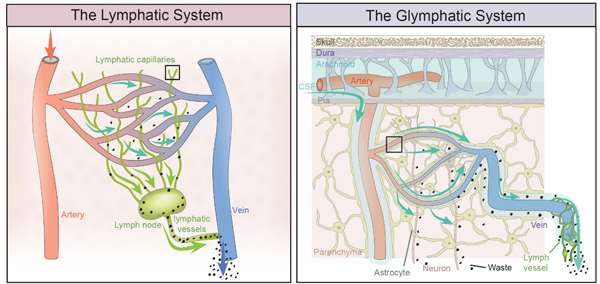
This study builds on foundational work regarding the glymphatic system, a network that circulates cerebrospinal fluid to clear metabolic waste from brain tissue. While traditionally viewed as a vascular event, researchers now suggest that stroke recovery is also a disorder of biological timing. By restoring the natural rhythm of the brain’s waste-clearance processes, investigators hope to mitigate the accumulation of inflammatory molecules that can hinder healing.
The Connection Between Circadian Rhythms and Brain Health
The glymphatic system, discovered in 2012 by a team led by neuroscientist Maiken Nedergaard at the University of Rochester, relies heavily on sleep and circadian regulation to function effectively. In a healthy brain, this system flushes out toxins and inflammatory signals along blood vessels. However, research has shown that this process is often impaired following a stroke, leading to a buildup of harmful molecules.
Lauren Hablitz, the lead author of the new study, notes that the body’s internal clock governs these clearance pathways independently of sleep. Because stroke patients frequently experience disrupted sleep-wake cycles, which are statistically associated with poorer long-term outcomes and lower quality of life, the research team investigated whether stabilizing the circadian clock could compensate for this post-stroke dysfunction.
Experimental Interventions and Recovery Outcomes
To test this hypothesis, researchers utilized mouse models of stroke and introduced interventions three days post-injury—a timeline that extends beyond the standard window for acute clinical treatments like clot-busting medications. The team evaluated several methods to reset the internal clock, including light exposure, melatonin, the drug KL001, and time-restricted feeding.
The findings indicated that both KL001 and time-restricted feeding significantly improved motor recovery in the subjects. These animals demonstrated smaller lesion volumes and, crucially, enhanced glymphatic flow compared to control groups. According to the study, these interventions led to lower levels of inflammatory cytokines in the brain, suggesting that the treatment helped the brain clear signaling molecules rather than targeting a single inflammatory pathway.
Practical Implications for Stroke Rehabilitation
The use of time-restricted feeding as a therapeutic tool is particularly significant because it is a behavioral intervention that could theoretically be implemented in home settings, rather than requiring specialized clinical equipment. While the study is currently limited to animal models, the researchers suggest that this approach could eventually offer a low-cost, accessible strategy for rehabilitation.
The medical community has long recognized that strokes exhibit temporal patterns, often occurring more frequently in morning hours and presenting with greater severity after prolonged sleep deprivation. By addressing the “timing” aspect of post-stroke pathology, this research opens a new front in neurorehabilitation. Future studies are expected to determine whether these circadian-based interventions can be translated into human clinical trials to improve patient outcomes.
Next Steps in Circadian Neuroscience
The research underscores a shift in how neuroscientists view brain health, placing greater emphasis on fluid transport and biological timing as fundamental components of recovery. The next phase of this work will focus on confirming whether improved glymphatic flow is the direct mechanism driving motor recovery and whether these findings can be safely replicated in human subjects.

For patients and families seeking the latest developments in stroke care, monitoring updates from major medical research institutions remains the best way to track the transition of these experimental therapies into clinical settings. As the scientific understanding of the glymphatic system evolves, further research will likely clarify how these findings integrate with existing stroke rehabilitation protocols.
Have you or a loved one been affected by stroke recovery challenges? Share your thoughts or questions in the comments section below to join the conversation on the latest in neurological research.