
Seismic Activity in Northern Chile: Recent Earthquakes Reported in Coquimbo and Atacama
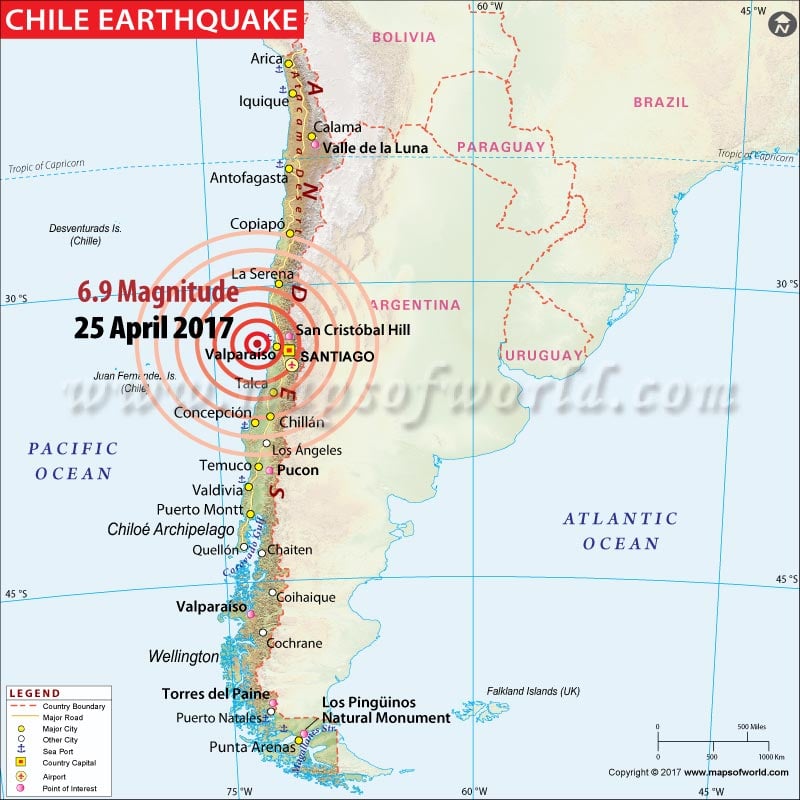
A series of earthquakes, including a magnitude 5.1 tremor, struck northern Chile’s Coquimbo and Atacama regions on Wednesday, June 24, 2024, prompting localized panic among residents. According to the Centro Sismológico Nacional (CSN), the seismic activity was felt across several northern provinces, though immediate reports of significant structural damage or casualties were not confirmed by emergency services.
The tremors occurred during a period of heightened seismic monitoring in the region. A separate magnitude 4.8 earthquake was recorded near La Serena on the same day, according to reports from local news outlets. These successive events have kept residents in the northern zones of the country on alert as they assess the stability of local infrastructure.
What were the details of the earthquake in Coquimbo and Atacama?
The most significant tremor recorded was a magnitude 5.1 earthquake that affected the regions of Coquimbo and Atacama. Data provided by the Centro Sismológico Nacional (CSN) indicated that the quake was felt clearly by the population in these northern administrative zones. While the magnitude was moderate, the timing and frequency of the movements caused concern regarding potential aftershocks.
In addition to the 5.1 magnitude event, a magnitude 4.8 earthquake struck the area near La Serena on Wednesday, June 24. This secondary tremor was reported by multiple regional sources, including Infobae, which noted the impact on the coastal and inland areas of the Coquimbo region. The proximity of these two events—one in the Coquimbo/Atacama corridor and another specifically impacting La Serena—contributed to a sense of instability in the northern territory.
The CSN, which serves as the primary authority for seismic monitoring in Chile, continues to track the epicenters of these movements. For residents seeking real-time updates, the CSN provides official seismic data that distinguishes between the depth and exact coordinates of each event to help emergency planners prepare for potential secondary movements.
How did the tremors impact northern Chilean cities like La Serena and Calama?
The seismic activity triggered immediate reactions in several urban centers. In Calama and parts of the Atacama region, the tremors generated significant panic, with residents reporting that the movements occurred almost simultaneously, according to reports from lahora.cl. This synchronization of tremors made it difficult for local authorities to provide immediate clarity to the public during the initial moments of the event.

In La Serena, the magnitude 4.8 tremor was widely felt, causing residents to seek open spaces as a precautionary measure. While the physical impact on buildings appeared minimal in the immediate aftermath, the psychological impact on the population remains a focus for local community leaders. The suddenness of the tremors in the northern desert zones, where seismic activity is frequent but often less intense than in the central zones, contributed to the heightened level of alarm.
Emergency management agencies have not reported widespread utility disruptions, such as water or electricity outages, resulting from these specific tremors. However, local authorities typically advise citizens to remain vigilant for any changes in infrastructure, particularly in older coastal buildings in the Coquimbo region that may be susceptible to long-term seismic fatigue.
| Location | Magnitude | Primary Region Affected | Reported Impact |
|---|---|---|---|
| Coquimbo and Atacama | 5.1 | Northern Chile | Localized panic; no major damage reported. |
| La Serena | 4.8 | Coquimbo Region | Widely felt; residents sought safety. |
| Calama/Atacama Zone | Variable | Atacama/Antofagasta | Simultaneous tremors caused public alarm. |
Why is northern Chile prone to frequent seismic activity?
The frequent occurrence of earthquakes in Chile is a direct result of the country’s location on the “Ring of Fire,” a massive horseshoe-shaped area in the Pacific Ocean characterized by high volcanic and seismic activity. Specifically, the seismic events in Coquimbo and Atacama are driven by the subduction of the Nazca Plate beneath the South American Plate.
As the Nazca Plate moves eastward, it is forced down into the Earth’s mantle beneath the continental crust. This process creates immense pressure along the fault lines. When this pressure is released suddenly, it results in the earthquakes that characterize the Chilean landscape. The Coquimbo and Atacama regions sit directly above these active tectonic boundaries, making them high-risk zones for both moderate and high-magnitude seismic events.
Geologists note that while many tremors are moderate, such as the 4.8 and 5.1 magnitude quakes reported this week, the tectonic setting allows for the possibility of much larger events. This reality necessitates the robust seismic building codes and emergency response protocols that Chile has developed over decades of experience with high-magnitude subduction earthquakes.
What are the official safety recommendations for residents?
Following the recent tremors, the National Service for Prevention and Response to Disasters (SENAPRED) and other Chilean authorities remind the public to follow established safety protocols. During a tremor, the primary recommendation is to “Drop, Cover, and Hold On.” Residents should move away from windows, heavy furniture, or objects that could fall during movement.
If you are outdoors, move to an open area away from buildings, trees, streetlights, and utility wires. Once the shaking stops, it is important to check for gas leaks or structural cracks in your home before re-entering. Authorities emphasize that aftershocks are common following a significant tremor, and residents should remain prepared for subsequent movements.
For those living in the Coquimbo and Atacama regions, maintaining a family emergency plan and an emergency kit—including water, non-perishable food, a flashlight, and a first-aid kit—is a critical part of preparedness. Official updates regarding seismic activity and emergency instructions are disseminated through SENAPRED’s official communication channels and local radio stations.
The Centro Sismológico Nacional (CSN) is expected to release updated seismic maps and aftershock data as more precise measurements become available. Residents are encouraged to monitor these official channels for any changes in the seismic status of the northern provinces.
What are your experiences with the recent tremors in northern Chile? Share your observations in the comments below and share this article to keep your community informed.
Keep reading