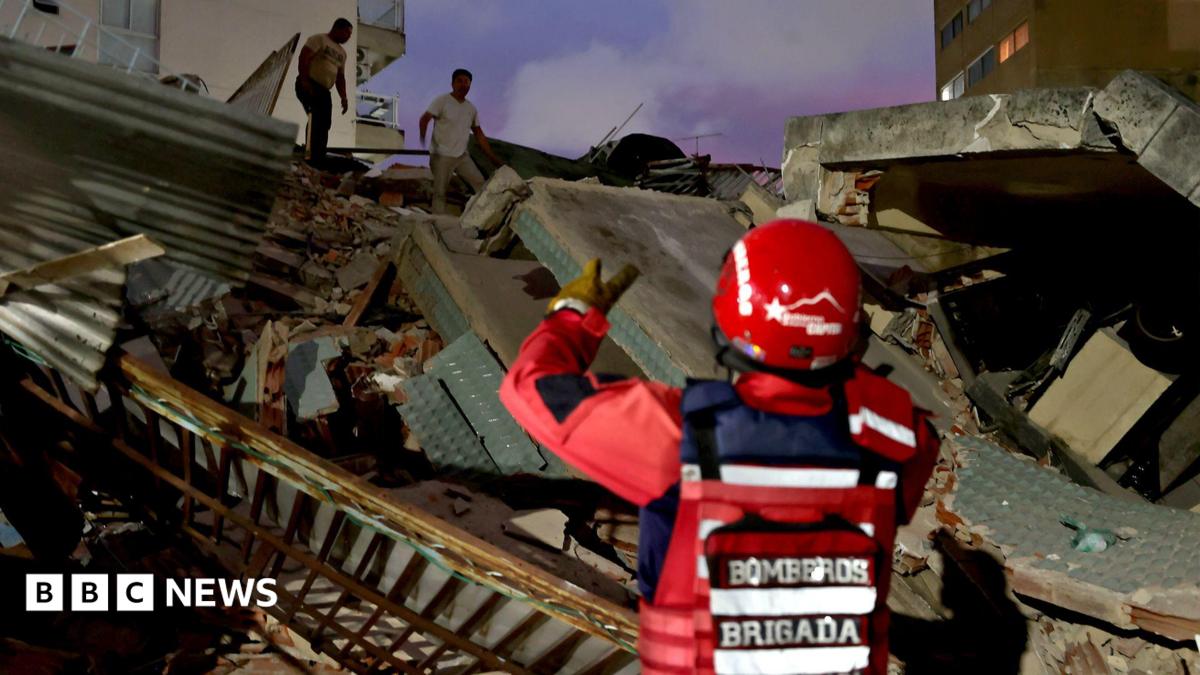
At least 235 people have been confirmed dead and more than 4,300 others injured following a powerful series of earthquakes that struck the Herat province in western Afghanistan. Emergency response teams and local residents are currently engaged in a desperate search for survivors, as authorities warn that the death toll is expected to rise with many individuals still feared trapped under the debris of collapsed homes.
The seismic activity, which began with a primary magnitude 6.3 earthquake followed by several intense aftershocks, has caused widespread destruction across rural districts. According to the United States Geological Survey (USGS), the initial tremors were centered approximately 40 kilometers northwest of Herat city, hitting at a shallow depth that exacerbated the structural damage to vulnerable earthen dwellings in the region. The proximity of the epicenter to densely populated villages has significantly hampered initial rescue efforts, as heavy machinery remains difficult to deploy in the mountainous terrain.
Scale of the Humanitarian Impact
The impact of the disaster has been categorized as catastrophic by local officials, who are struggling to provide medical supplies and temporary shelter to the thousands displaced. The World Health Organization (WHO) has reported that the influx of patients into regional hospitals has overwhelmed existing medical infrastructure, which was already strained prior to the event. Local health clinics are currently prioritizing trauma care, though shortages of surgical equipment and blood supplies have been documented by international humanitarian observers.
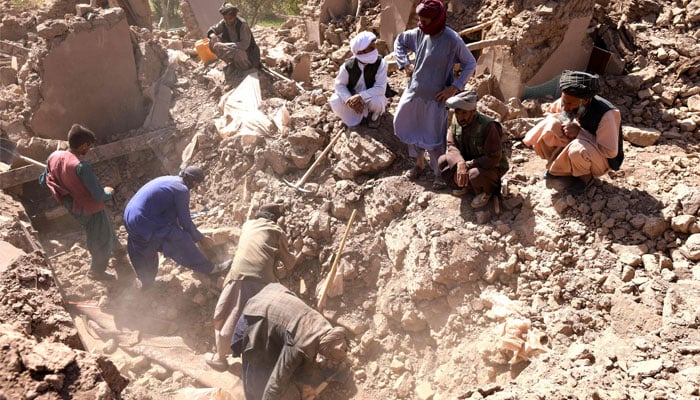
The destruction is concentrated in the Zindajan district, where entire villages were reported to have been leveled by the intensity of the tremors. Residents have described a scene of sudden collapse, with little warning for families inside their homes. “The houses were not built to withstand such force,” noted a representative from a regional aid group, emphasizing that the traditional construction methods common in the area offer minimal protection against high-magnitude seismic events.
Current Rescue and Recovery Efforts
Search and rescue operations are ongoing, though they are currently being conducted largely by hand. The lack of heavy equipment has forced villagers to dig through piles of mud and stone using basic tools to reach those buried beneath the ruins. While the provincial government has mobilized local responders, the scale of the damage across multiple districts has necessitated a request for international assistance, according to statements released by provincial authorities in Herat.
Communication networks in the affected areas remain intermittent, complicating efforts to coordinate the delivery of aid. The United Nations Children’s Fund (UNICEF) has expressed concern regarding the safety and wellbeing of children in the impact zone, citing the destruction of schools and communal gathering points. Efforts are underway to establish temporary camps, but the onset of cold weather in the region is adding urgency to the need for blankets, heating supplies, and clean water.
Regional Seismic Vulnerability
Afghanistan’s geography makes it particularly susceptible to seismic activity, as the country sits near the juncture of the Arabian, Indian, and Eurasian tectonic plates. The Herat region, while historically less prone to the devastating earthquakes seen in the Hindu Kush range to the east, remains vulnerable due to the prevalence of non-reinforced masonry and mud-brick housing. Experts from the European-Mediterranean Seismological Centre (EMSC) note that shallow quakes of this magnitude consistently produce higher levels of surface destruction compared to deeper events of similar strength.
This event follows a series of smaller tremors in the region over the past decade, yet the current crisis represents one of the highest casualty counts recorded in western Afghanistan in recent years. The combination of structural fragility and the remote nature of the affected districts continues to present a significant challenge for disaster management agencies attempting to conduct a full damage assessment.
Next Steps for Relief Operations
The primary focus of the coming days remains the stabilization of the injured and the provision of emergency aid to those left homeless. Provincial authorities are expected to provide an updated casualty count following the completion of initial sweeps in the hardest-hit rural areas. International humanitarian organizations are currently negotiating access and logistics to ensure that medical aid and food supplies reach the most isolated populations before the end of the week.
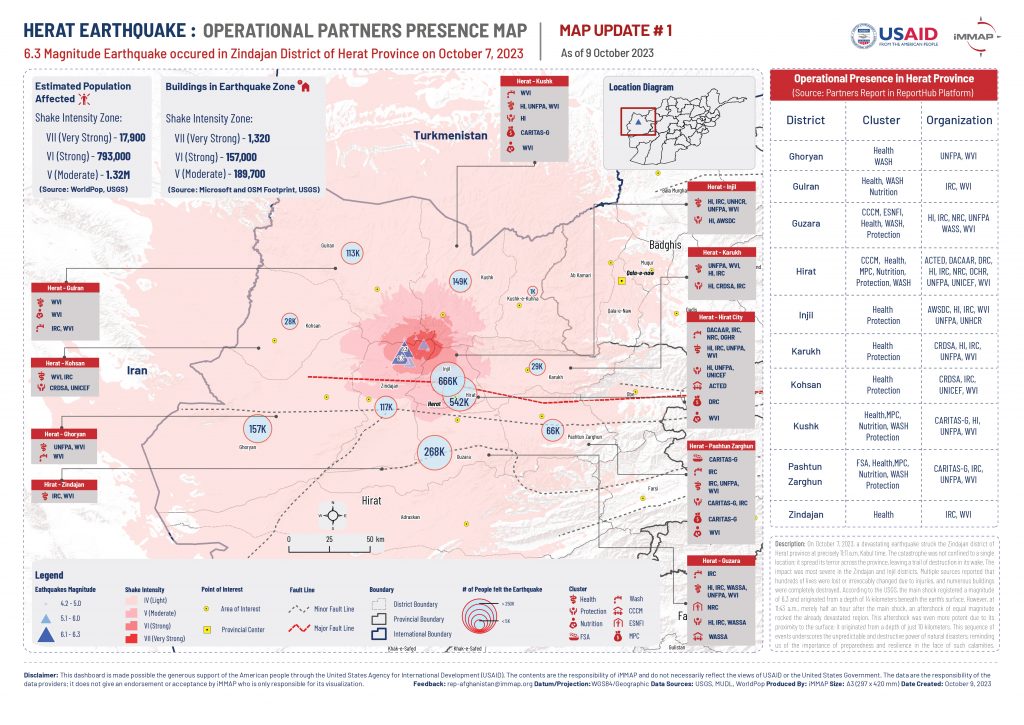
Residents and observers awaiting further information are encouraged to monitor updates from official provincial communications and international humanitarian health clusters for guidance on relief distribution. As the situation evolves, we will continue to provide verified updates on the recovery efforts. We invite readers to share this information to assist in heightening awareness of the ongoing emergency.
Worth a look