
The Swedish government has announced a contribution of 130 million Swedish kronor (SEK) aimed at bolstering global health initiatives, specifically targeting the prevention and control of infectious diseases in low- and middle-income countries. This funding, channeled through the Swedish International Development Cooperation Agency (SIDA), underscores Sweden’s ongoing commitment to international health security and the strengthening of resilient healthcare systems worldwide, according to official statements from the Ministry for Foreign Affairs.
Global health funding remains a cornerstone of Swedish foreign policy, focusing on the intersection of humanitarian aid, medical infrastructure, and sustainable development. By allocating these resources, the government aims to address inequities in vaccine access, diagnostic capabilities, and the training of local healthcare workers. The initiative aligns with broader European efforts to mitigate the risks posed by emerging pathogens and to support the World Health Organization’s (WHO) global health emergency preparedness strategies, as outlined in the latest government budget documentation regarding international development assistance.
The Scope of Swedish Global Health Funding
The 130 million SEK allocation is part of a larger, multi-year strategy to improve health outcomes in vulnerable regions. According to the Swedish International Development Cooperation Agency (SIDA), the agency prioritizes programs that promote sexual and reproductive health and rights (SRHR), combat maternal and child mortality, and support the fight against HIV, tuberculosis, and malaria. These priority areas are selected based on their impact on overall life expectancy and the stability of local economies.

Health experts note that such funding is critical for maintaining progress toward the United Nations Sustainable Development Goal 3, which seeks to ensure healthy lives and promote well-being for all at all ages. By providing direct financial support to international organizations and local NGOs, Sweden seeks to fill critical gaps in funding that often prevent life-saving medical supplies from reaching remote or conflict-affected areas. The focus remains on sustainable, long-term capacity building rather than purely reactive aid.
Strengthening Healthcare Systems and Disease Resilience
A significant portion of the current funding is directed toward strengthening the “last mile” of healthcare delivery. This involves investing in cold-chain logistics for vaccines, digital health records for tracking disease outbreaks, and the development of local laboratories capable of rapid diagnostic testing. As reported by the World Health Organization, the ability of a country to detect an infectious disease outbreak within its borders is the most effective way to prevent a localized cluster from becoming a global pandemic.
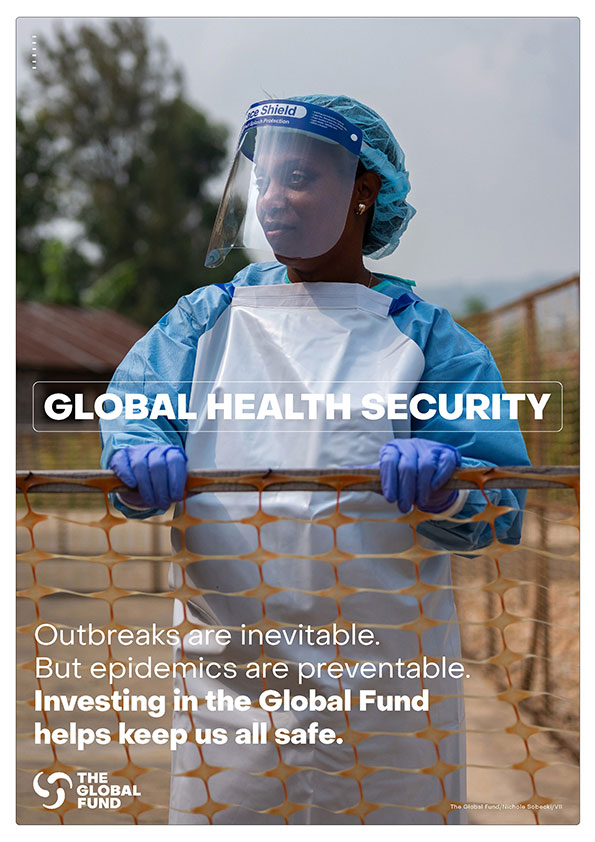
The Swedish approach to global health emphasizes that health security is inherently linked to social and political stability. When healthcare systems fail, the resulting crises often lead to mass migration, economic collapse, and increased vulnerability to political instability. By reinforcing these systems, Sweden aims to foster a more stable global environment, which in turn serves the national interest by reducing the international spread of infectious diseases.
Accountability and Impact Measurement
The allocation of 130 million SEK is subject to rigorous oversight by the Swedish government to ensure transparency and effectiveness. SIDA utilizes a performance-based reporting mechanism, requiring all partner organizations to submit detailed audits and impact reports. These reports evaluate metrics such as the number of individuals reached by vaccination campaigns, the reduction in maternal mortality rates in specific districts, and the success rates of treatment programs for infectious diseases, as detailed in the Swedish Ministry for Foreign Affairs annual reports.
Transparency advocates have historically pushed for clearer data on how these funds translate into tangible health outcomes. In response, the Swedish government has increased its focus on evidence-based interventions. This means that funding is increasingly directed toward programs that have demonstrated success in peer-reviewed studies or through extensive longitudinal data. This shift represents a move toward more data-driven diplomacy in the realm of international health.
What Happens Next for Global Health Initiatives
The disbursement of these funds will occur in phases throughout the current fiscal year. The next major milestone for this initiative will be the publication of the mid-term progress report, expected in late 2025, which will provide an accounting of how the 130 million SEK has been distributed and the initial health outcomes observed in the target regions. Interested parties, including international health researchers and the public, can monitor these developments through the official SIDA portal and the government’s website for international development updates.

As the international community continues to navigate the complexities of post-pandemic recovery and the threat of future health crises, the role of consistent, reliable funding from nations like Sweden remains a vital component of the global security architecture. Further announcements regarding specific regional disbursements are expected to follow in the coming months as project contracts are finalized with international partners.
Have questions or comments about this report? Please feel free to share your thoughts in the comments section below.
- 7 Days of Meditation Can Rewire Your Brain and Body: New Study Reveals Striking Neuroplasticity and Biological Shifts
- Simple Test Improves Colorectal Cancer Detection: Age Plays Key Role
- Why Oral Health Is More Important Than You Think (archynewsy.com)
- Mobile Health Interventions in Gestational Diabetes and Pregnancy Outcomes: A Scoping Review (newsdirectory3.com)