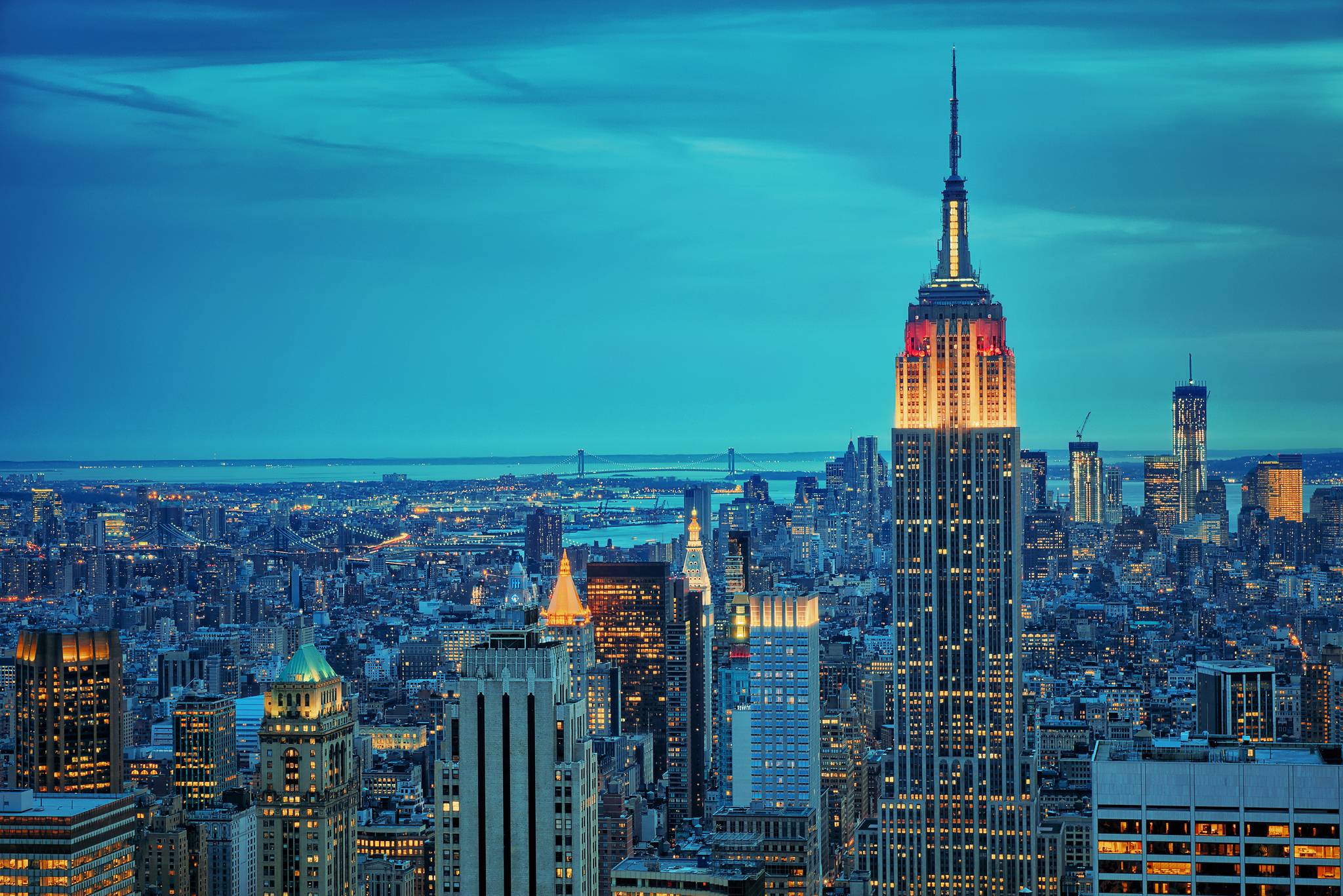
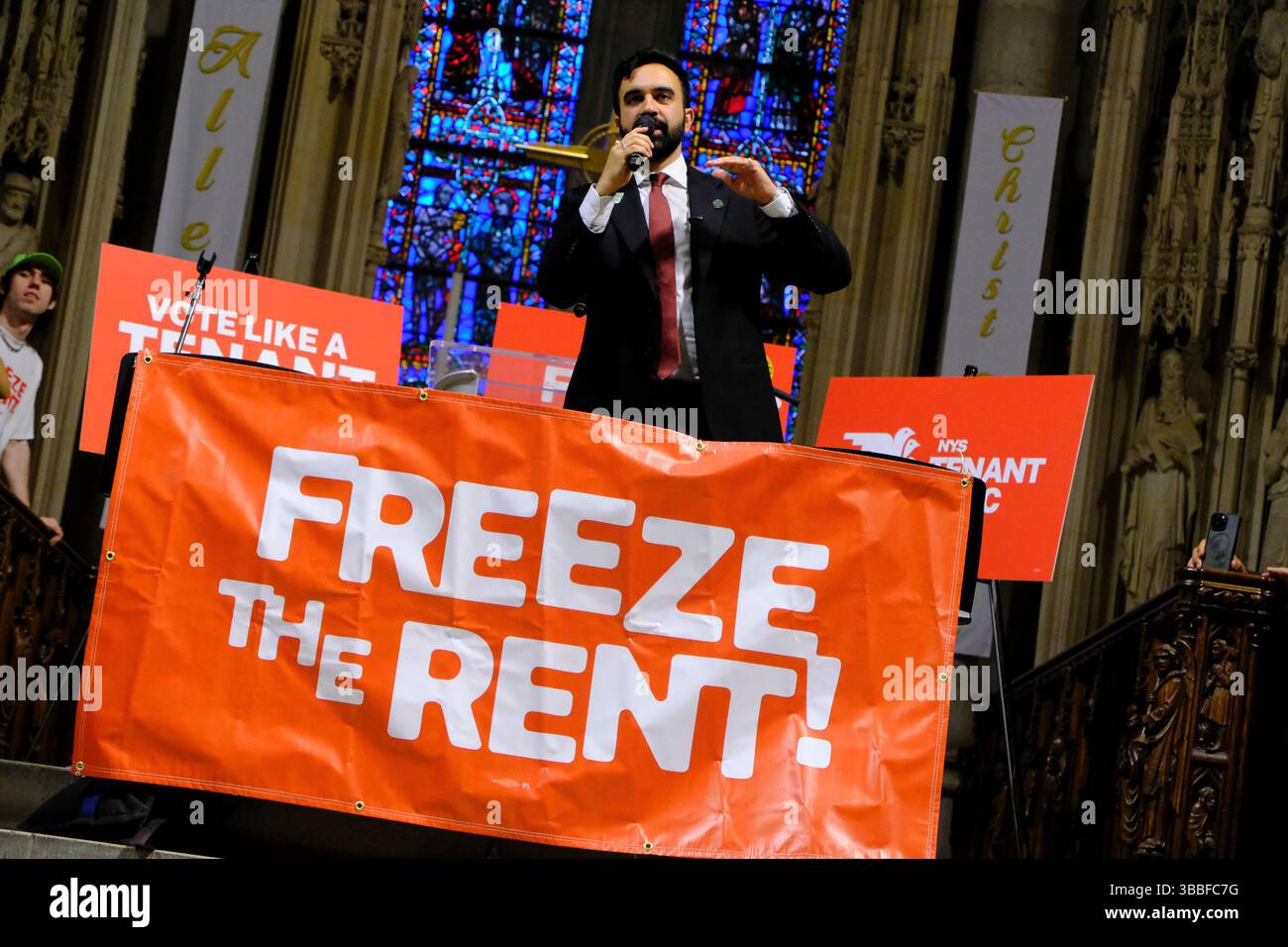
The New York City Rent Guidelines Board (RGB) has voted to implement a two-year freeze on rent increases for approximately one million rent-stabilized apartments, a decision that fulfills a central campaign pledge championed by Zohran Mamdani. The vote, which follows months of intense debate regarding the city’s escalating cost of living, prevents landlords from raising rents on stabilized units for the upcoming two-year cycle.
This policy shift marks a significant development in New York City housing regulation, directly addressing the concerns of millions of residents facing high inflation and housing instability. By halting increases, the board aims to provide immediate relief to a tenant population that has faced unprecedented pressure from rising costs in the metropolitan area.
The decision comes after a series of public hearings where both tenant advocates and property owners presented conflicting data regarding the economic health of the city’s housing market. While tenant representatives argued that a freeze is essential to prevent mass displacement, landlord representatives warned that the move could jeopardize the long-term maintenance of the city’s housing stock.
How will the New York City rent freeze affect tenants?
The rent freeze specifically applies to the roughly one million rent-stabilized apartments across the five boroughs. For these tenants, the decision means that their monthly housing costs will remain static through the next two-year period, providing a level of predictability that has been absent during recent cycles of high inflation. According to tenant advocacy groups, this measure is a critical tool in combating the displacement of low- and middle-income residents from their neighborhoods.
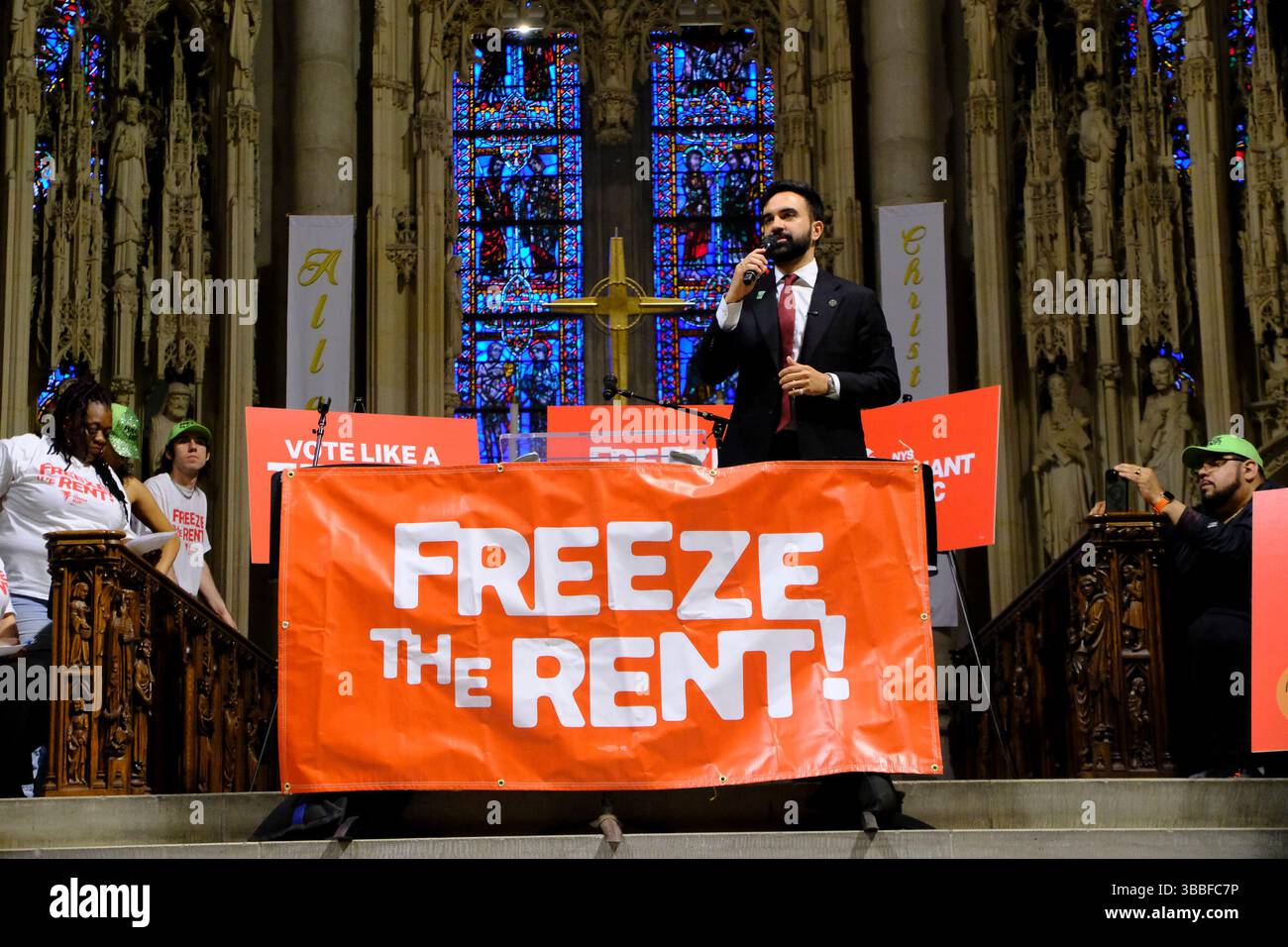
The impact of the freeze is expected to be most pronounced in neighborhoods experiencing rapid gentrification, where even modest rent increases can lead to significant financial strain. By locking in current rates, the RGB aims to stabilize the residential makeup of these communities. Advocates have noted that for many households, the cost of housing currently consumes a disproportionate share of their income, leaving little for other essential services like food, healthcare, and education.
Beyond direct financial relief, the freeze serves as a broader social policy intended to mitigate the effects of the ongoing housing crisis in New York City. By preventing rent hikes, the city seeks to maintain the social fabric of its diverse neighborhoods and reduce the burden on municipal social services that often support residents facing eviction due to sudden cost increases.
Why are landlord representatives protesting the decision?
The decision has met with sharp criticism from the real estate sector, including a high-profile resignation from a prominent landlord representative on the board. According to reports from local news outlets, the representative resigned ahead of the final vote, accusing the board of “crossing a legal line” and overstepping its regulatory mandate. The core of the protest rests on the argument that a zero-percent increase fails to account for the rising operational costs faced by property owners.
Landlord representatives have argued that the freeze ignores several critical economic factors, including:
- Increased costs for property insurance and taxes.
- Rising expenses for labor and maintenance services.
- The impact of inflation on the cost of building materials and utilities.
Industry groups have expressed concern that without the ability to adjust rents to match inflation, property owners will struggle to fund necessary repairs and capital improvements. They argue that this could lead to a gradual decline in the quality of the housing stock, as landlords may be forced to defer maintenance to remain solvent. Some representatives have suggested that the board’s decision may face legal challenges, claiming that the mandate to consider the economic viability of both tenants and landlords has been improperly balanced in favor of the former.
What is the role of the Rent Guidelines Board in NYC?
The Rent Guidelines Board is the regulatory body responsible for determining the legal rent increases for stabilized apartments in New York City. The board’s composition is designed to represent a balance of interests, consisting of four members representing tenants, four members representing landlords, and one public member. This structure is intended to ensure that decisions are made after considering the competing needs of both sides of the rental market.
The RGB’s decision-making process involves several stages, beginning with public hearings where stakeholders can submit testimony and evidence. The board then reviews economic data, including inflation rates, consumer price indices, and the specific operating costs of rental properties. The final vote determines the percentage by which rents can be increased for different lease lengths, typically distinguishing between one-year and two-year leases.
While the board’s decisions are influential, they operate within the framework of state and local housing laws. The tension between the board’s goal of tenant protection and the necessity of maintaining a functional housing market for owners is a recurring theme in its proceedings. The current freeze represents one of the most significant shifts in the board’s recent history, reflecting a broader political movement toward more aggressive tenant protections in the city.
How does this decision align with Zohran Mamdani’s platform?
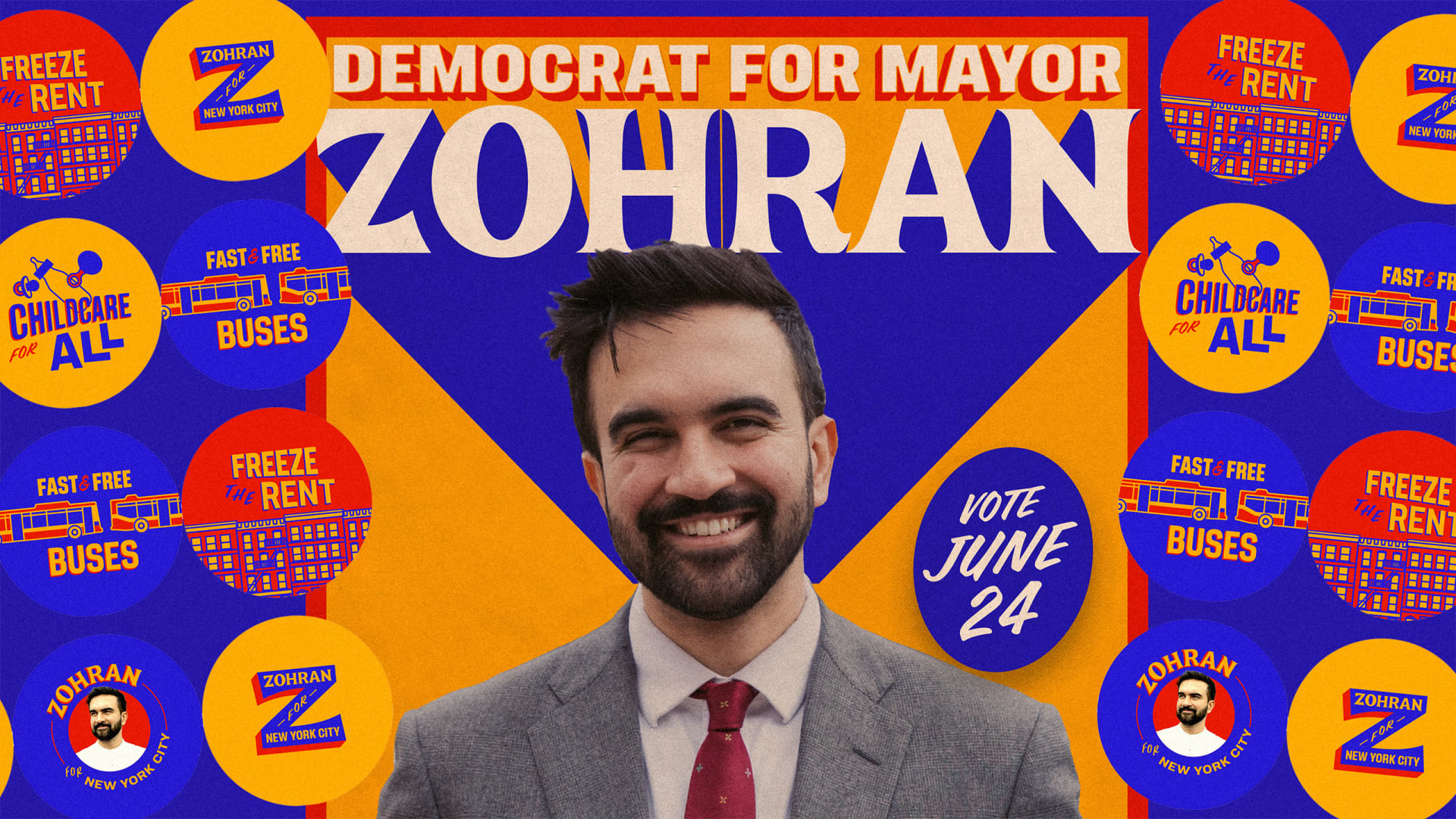
The implementation of the rent freeze aligns closely with the political platform of Zohran Mamdani, a prominent figure in New York City’s legislative landscape who has consistently campaigned on housing affordability. Mamdani has long advocated for more stringent controls on rent increases and has called for systemic changes to protect tenants from market volatility. For his supporters, this board decision is a tangible realization of the policy goals he has championed.
The move is seen by political analysts as a victory for the progressive wing of the city’s political spectrum. By addressing one of the most pressing issues facing New Yorkers—the cost of living—the decision reinforces a policy direction that prioritizes housing as a fundamental right rather than a purely market-driven commodity. This shift in policy reflects a growing consensus among certain political factions that the existing market mechanisms are insufficient to prevent the displacement of the city’s working class.
However, the political implications remain complex. While the freeze is a major win for tenant-aligned politicians, it has deepened the divide between the city’s progressive leadership and the real estate industry. The outcome of this vote is likely to influence future municipal elections and legislative efforts regarding housing reform across the state.
The next official checkpoint regarding rent stabilization will involve the scheduled review of the board’s impact and potential adjustments to capital improvement allowances. Residents and stakeholders are encouraged to monitor the official Rent Guidelines Board website for updates on future hearings and regulatory filings.
What do you think about the new rent freeze? Will it provide the stability tenants need, or will it harm the city’s housing quality? Share your thoughts in the comments below and share this article with your neighbors.