

New York City’s rent stabilization framework, which governs approximately one million apartment units, serves as the city’s primary mechanism for regulating housing costs and preventing rapid displacement. While political leaders continue to debate the balance between tenant protections and landlord incentives, the system remains the most significant factor in determining housing stability for millions of residents across the five boroughs.
The scale of the rent-stabilized market in New York is vast, encompassing a significant portion of the city’s residential stock. This regulatory environment creates a complex interplay between the New York City Mayor’s office, the New York State Legislature, and the Rent Guidelines Board (RGB), which is responsible for setting the annual percentage increases allowed for stabilized units.
How Does Rent Stabilization Work in New York City?
Rent stabilization is a regulatory system that allows landlords to increase rents for certain residential units by a set percentage each year. Unlike rent control, which is a more restrictive system largely limited to older buildings, rent stabilization applies to a broader range of apartments, including many in newer buildings that meet specific criteria. According to the New York City Rent Guidelines Board, these regulated increases are designed to balance the need for housing affordability with the necessity of maintaining building infrastructure.

The system currently protects roughly 1 million apartments throughout the city. These units are subject to specific rules regarding lease renewals, security deposits, and maintenance standards. For tenants, this provides a level of predictability in an otherwise volatile real estate market. For landlords, the system provides a structured, albeit capped, method for managing revenue and operating costs.
The process of determining these increases is not handled by the Mayor’s office alone. Instead, the Rent Guidelines Board—a body composed of representatives from tenant organizations, landlord associations, and public members—holds public hearings to weigh the economic data before making a recommendation. These recommendations are then implemented to dictate the rent hikes for the upcoming one-year or two-year lease cycles.
What Are the Recent Changes to Tenant Protections?
The landscape of New York housing law has shifted significantly due to recent legislative actions at the state level. One of the most impactful developments is the implementation of the “Good Cause Eviction” law, which was passed by the New York State Legislature and signed into law in 2024. This law aims to provide additional protections for tenants in many non-stabilized apartments, addressing a long-standing gap in housing security.
Under the Good Cause Eviction protections, landlords are limited in their ability to pass through excessive rent increases and are restricted from evicting tenants without a “good cause,” such as failure to pay rent or lease violations. This legislation was the result of intense political pressure from housing advocates and progressive lawmakers who argued that many renters were being priced out of their neighborhoods through “unreasonable” rent hikes.
While the law provides a safety net, it has also been a point of contention. Real estate industry groups have argued that such regulations could diminish the incentive for developers to build new housing, potentially exacerbating the city’s long-term supply shortage. The debate highlights the fundamental tension in New York City policy: the immediate need for tenant stability versus the long-term requirement for housing production.
The Political Divide: Progressive Advocacy vs. City Administration
The debate over rent regulation in New York City is often characterized by a divide between the executive branch of the city government and progressive legislative advocates. While Mayor Eric Adams has focused on a multifaceted approach to the housing crisis—emphasizing increased construction and the conversion of office spaces into residential units—progressive leaders have pushed for more direct intervention in the rental market.
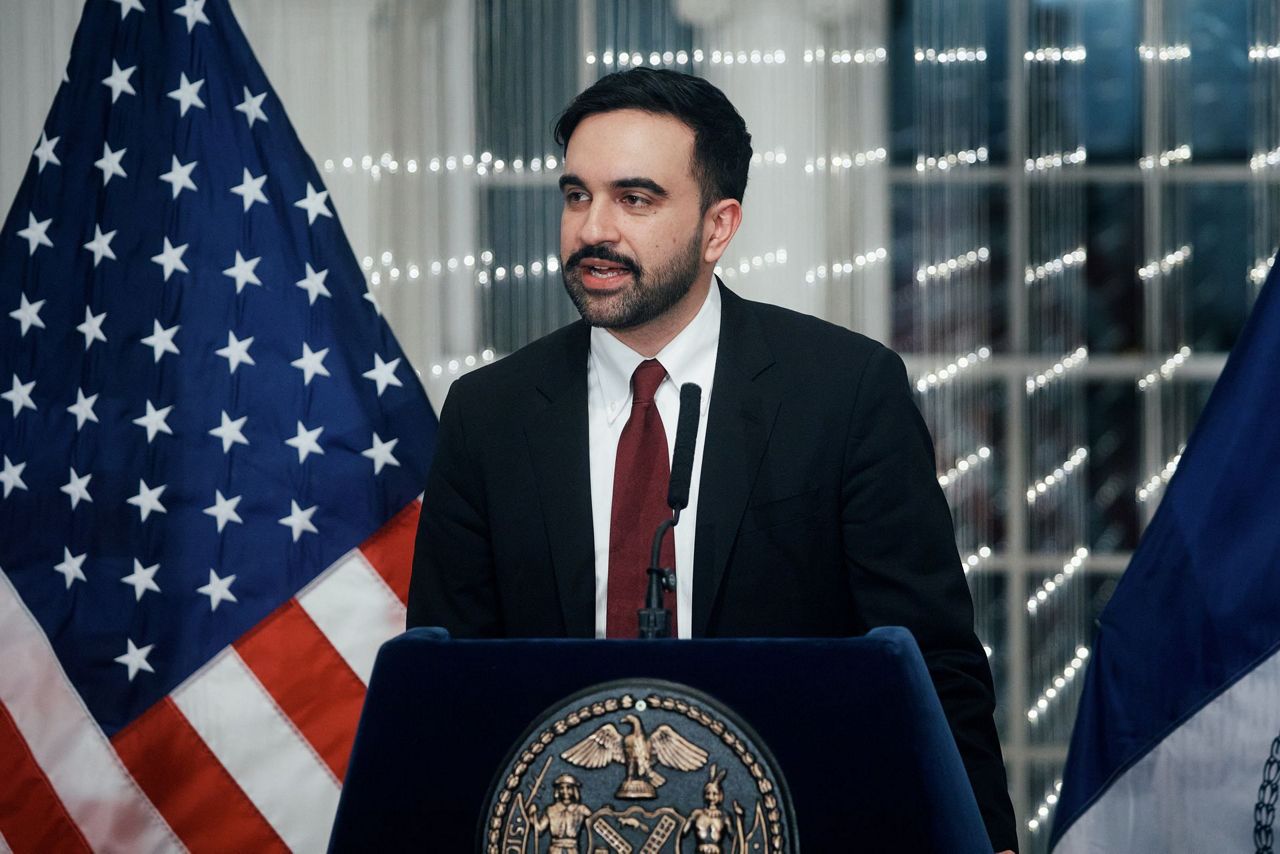
State Assemblymember Zohran Mamdani, a prominent figure in the movement for expanded tenant rights, has been a vocal advocate for more aggressive measures, including universal rent control and more stringent freeze policies. While Mamdani’s influence is centered in the State Assembly rather than the Mayor’s office, his policy goals often serve as the benchmark for the progressive movement’s demands on city and state officials.
This political friction often centers on the following issues:
- Direct Rent Freezes: Advocates argue for periodic freezes to combat inflation, while opponents claim this prevents necessary building repairs.
- Supply vs. Regulation: The administration often prioritizes deregulation to spur building, while progressive legislators prioritize regulation to ensure affordability.
- The Role of Subsidies: There is ongoing debate regarding how much public funding should be directed toward permanent rent subsidies versus incentivizing private development.
Key Takeaways for NYC Renters
- Stabilization Coverage: Approximately 1 million units in NYC are subject to rent stabilization laws.
- Regulatory Body: The Rent Guidelines Board (RGB) determines the annual allowable rent increases.
- New Protections: The “Good Cause Eviction” law now provides protections for many tenants previously excluded from stabilization.
- Political Context: Policy is shaped by a tug-of-war between progressive legislative demands and the Mayor’s focus on market-based supply increases.
Why Does Rent Regulation Matter for the Global Economy?
New York City’s housing market does not exist in a vacuum; it is a bellwether for global urban economic trends. As one of the world’s primary financial hubs, the affordability of New York’s residential sector directly impacts the city’s ability to attract and retain the talent necessary for its diverse industries. High housing costs can lead to labor shortages in essential sectors and increased commuting times, which in turn affects urban productivity and environmental goals.

Economists often view the New York rental market as a case study in the “supply-demand” paradox. On one side, strict rent regulations are seen as a way to prevent social instability and homelessness. On the other, they are analyzed as potential barriers to the very supply needed to lower prices naturally. The outcome of these policy battles in New York often informs housing strategies in other major metropolitan areas like London, Paris, and San Francisco.
What Happens Next for New York Renters?
The next major checkpoint for New York City’s rental landscape will be the upcoming scheduled hearings by the Rent Guidelines Board. These meetings serve as the formal venue where the economic realities of inflation, construction costs, and tenant hardship are presented and debated. The decisions made during these sessions will dictate the financial obligations of millions of households for the next lease cycle.
Additionally, the implementation and legal challenges surrounding the Good Cause Eviction law will continue to evolve in the courts and the State Assembly, potentially reshaping the definition of “reasonable” rent increases in the coming year.
For updates on upcoming Rent Guidelines Board hearings and legislative sessions, please monitor official city and state government portals.
What are your thoughts on the current state of New York’s rent stabilization? Do these regulations help or hinder the city’s growth? Share your comments below and share this article with your network.