
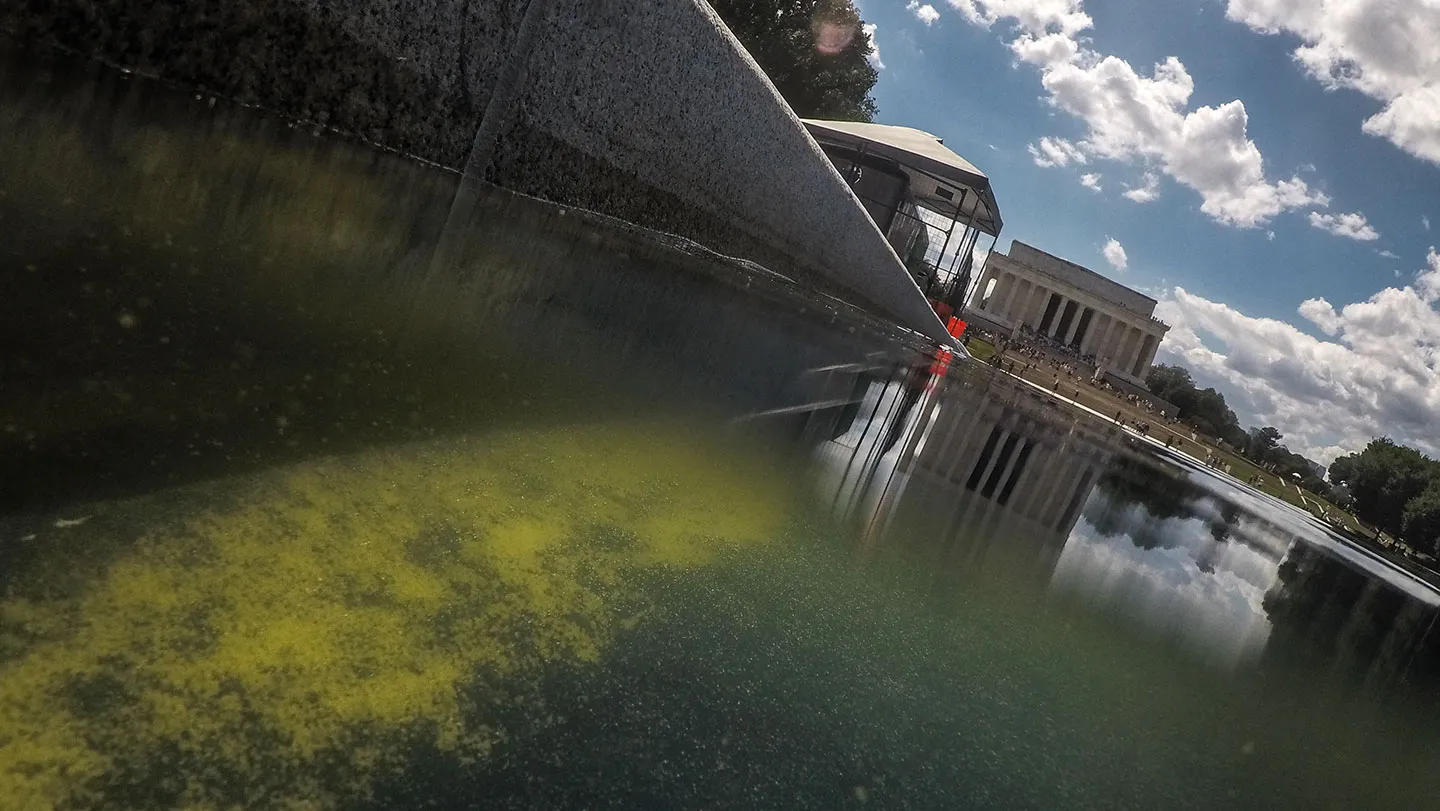
A newly identified biological mechanism involving iron-induced ferroptosis is driving rapid, cascading mass die-offs in algae populations, a discovery that explains the sudden ecological collapse currently affecting the Reflecting Pool. Researchers have determined that the interaction between iron and hydrogen peroxide triggers a specific form of programmed cell death that spreads through aquatic populations, making traditional mitigation efforts increasingly difficult to implement once a collapse begins.
The process, known as ferroptosis, differs significantly from other forms of cell death like apoptosis. While apoptosis is a controlled, “clean” process used by organisms to remove damaged cells, ferroptosis is an iron-dependent form of regulated cell death characterized by the catastrophic accumulation of lipid peroxides. In the context of the Reflecting Pool, this mechanism has turned manageable algal blooms into sudden, widespread population crashes.
According to recent scientific observations, the trigger for this collapse is the presence of both iron and hydrogen peroxide within the water column. When these two elements interact, they initiate a chemical chain reaction that destroys cellular membranes, leading to a phenomenon where dying cells release molecules that trigger death in their neighbors.
How iron and hydrogen peroxide trigger ferroptosis
To understand the collapse in the Reflecting Pool, it is necessary to look at the underlying chemistry. The primary driver is the Fenton reaction, a chemical process where ferrous iron (Fe2+) reacts with hydrogen peroxide (H2O2) to produce hydroxyl radicals (•OH). These radicals are among the most reactive species in biology and are highly destructive to organic matter.
In algae, these hydroxyl radicals target the polyunsaturated fatty acids that make up their cell membranes. This process, known as lipid peroxidation, creates a self-propagating cycle of damage. As the lipids oxidize, they create new radicals, which in turn attack adjacent lipids. This specific pathway is the hallmark of ferroptosis, a term coined to describe this iron-dependent, oxidative cell death.
In a stable environment, algae can often manage oxidative stress through antioxidant defenses, such as glutathione. However, when iron concentrations reach a critical threshold in the presence of hydrogen peroxide, these biological defenses are overwhelmed. The resulting cellular rupture is not merely a localized event but a systemic failure of the population’s biological integrity.
The mechanism of the population-wide cascade
The most concerning aspect of this new science is the “cascade effect.” Unlike a standard die-off where cells die due to lack of nutrients or light, ferroptosis in algae appears to be contagious at a molecular level. When an initial group of algae cells undergoes ferroptosis, they do not just die; they release highly reactive molecules and damage-associated molecular patterns (DAMPs) into the surrounding water.
These released molecules act as signals that trigger oxidative stress in neighboring, healthy cells. This creates a biological domino effect. Scientists have observed that once a certain percentage of the population enters the ferroptotic state, the release of “killer molecules” makes the death of the remaining population almost inevitable. This explains why the Reflecting Pool transitioned from a visible bloom to a massive die-off with such unexpected speed.
This cascade transforms a localized biological issue into a landscape-scale ecological event. Because the death is driven by chemical signaling and reactive species rather than just resource depletion, the speed of the collapse can outpace the natural ability of the ecosystem to adapt or for water management teams to intervene.
Why current management strategies are failing
For years, water management authorities have relied on nutrient reduction and physical removal to control algae. While these methods are effective for preventing blooms, they are largely ineffective once the ferroptotic cascade has been initiated. The “too late” nature of the current crisis in the Reflecting Pool stems from the fact that by the time a die-off is visible to the naked eye, the molecular chain reaction is likely already self-sustaining.
Current interventions face several hurdles:
- Chemical timing: Adding algaecides to a population already undergoing ferroptosis may inadvertently increase the concentration of reactive species, potentially accelerating the cascade.
- Iron management: Reducing iron levels in an established bloom is difficult, as iron is often already sequestered within the organic matter of the algae themselves.
- Oxygen depletion: The rapid mass die-off caused by the cascade leads to a secondary crisis: the massive consumption of dissolved oxygen by bacteria decomposing the dead algae. This can lead to hypoxic “dead zones” that kill fish and other aquatic life.
The scientific consensus suggests that management must shift from reactive treatment to predictive monitoring. This involves tracking the specific chemical precursors—specifically the ratio of iron to hydrogen peroxide—before the first signs of cellular death appear.
Comparing cell death: Apoptosis vs. Ferroptosis
To clarify why this specific type of death is so destructive to the Reflecting Pool, it is helpful to contrast it with the more common form of programmed cell death, apoptosis.
| Feature | Apoptosis | Ferroptosis |
|---|---|---|
| Primary Driver | Genetic signaling pathways | Iron-dependent lipid peroxidation |
| Cellular Appearance | Cell shrinkage and fragmentation | Swollen mitochondria and membrane rupture |
| Impact on Neighbors | Minimal; cells are cleared quietly | High; releases “killer molecules” (cascade) |
| Role of Iron | Not a primary requirement | Essential catalyst for the process |
Ecological implications and what happens next
The implications of ferroptosis-driven die-offs extend beyond the aesthetics of the Reflecting Pool. Massive algae collapses alter the entire nutrient cycle of a body of water. As the algae die, they release large amounts of nitrogen and phosphorus back into the water, which can fuel the next bloom, creating a cycle of boom and bust that destabilizes the ecosystem.
For urban water bodies, this presents a significant public health and maintenance challenge. The decay process can release odors and potentially harbor bacteria that thrive in the low-oxygen environments created by the die-off. Furthermore, the sudden shift in water chemistry can impact local wildlife and the stability of the aquatic food web.
Environmental agencies are now looking toward advanced real-time sensing technologies to detect the chemical signatures of the Fenton reaction. By monitoring iron and peroxide levels with greater precision, it may be possible to implement targeted interventions before the population reaches the “point of no return” where the cascade becomes unstoppable.
Official updates regarding the water quality and the planned remediation steps for the Reflecting Pool are expected to be released following the next scheduled environmental assessment by local water authorities.
Do you have questions about how water quality affects local ecosystems? Share your thoughts in the comments below and share this article to spread awareness about the science of our waters.