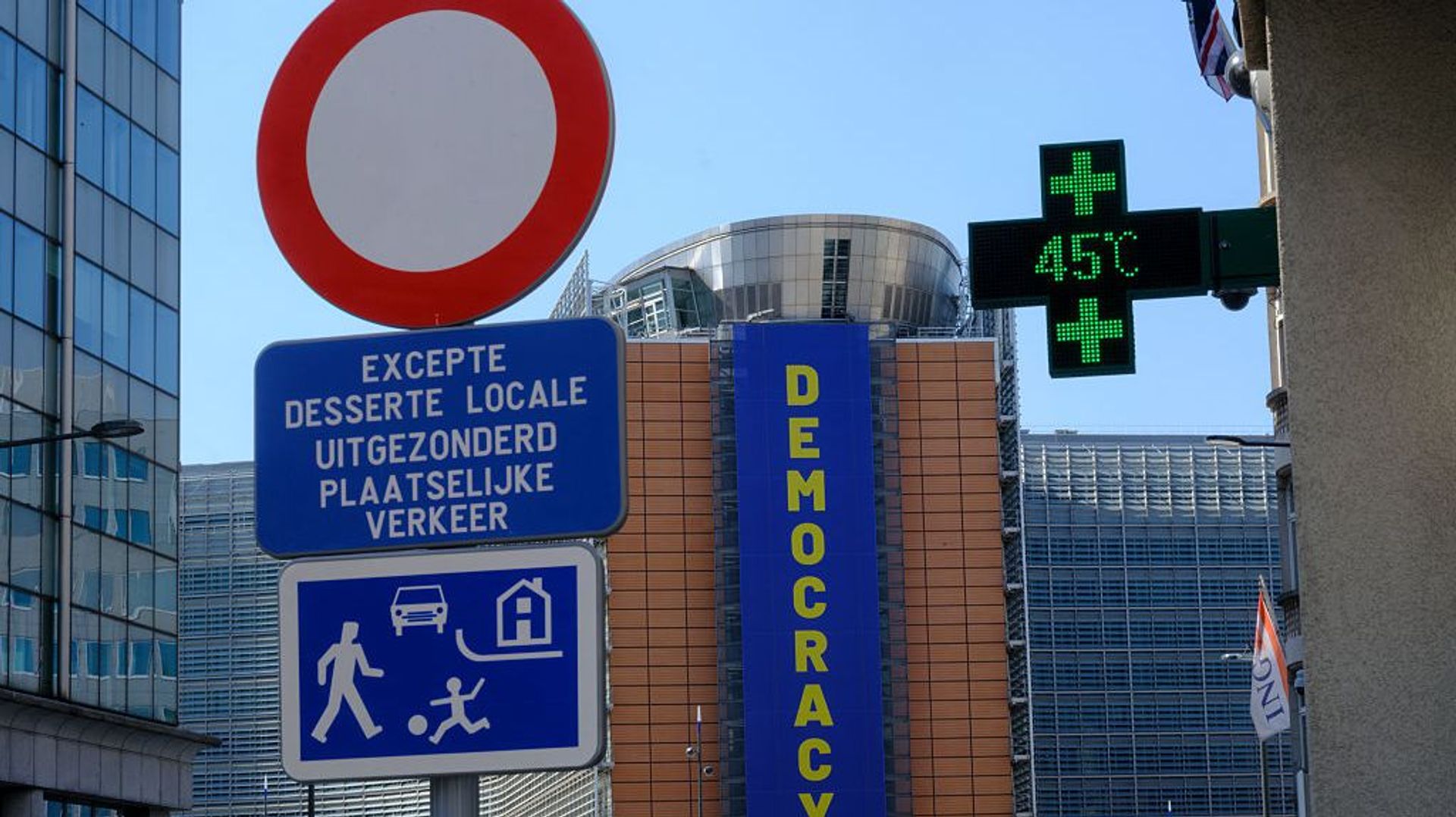
Meteorological data across Belgium indicates a significant shift in climate patterns, as the country faces increasingly frequent and intense heatwaves. While public discourse often centers on the discomfort of 40°C (104°F) temperatures, medical and climate experts emphasize that these extreme heat events represent a serious public health risk that requires structural adaptation and individual vigilance.
According to the Royal Meteorological Institute (RMI) of Belgium, a heatwave is officially defined as a period of at least five consecutive days where the maximum temperature reaches at least 25°C, provided that at least three days reach at least 30°C. As climate change accelerates, the frequency of these events has increased, shifting the conversation from seasonal inconvenience to a persistent health challenge for vulnerable populations, including the elderly, children, and those with underlying cardiovascular or respiratory conditions.
The Physiological Impact of Extreme Heat
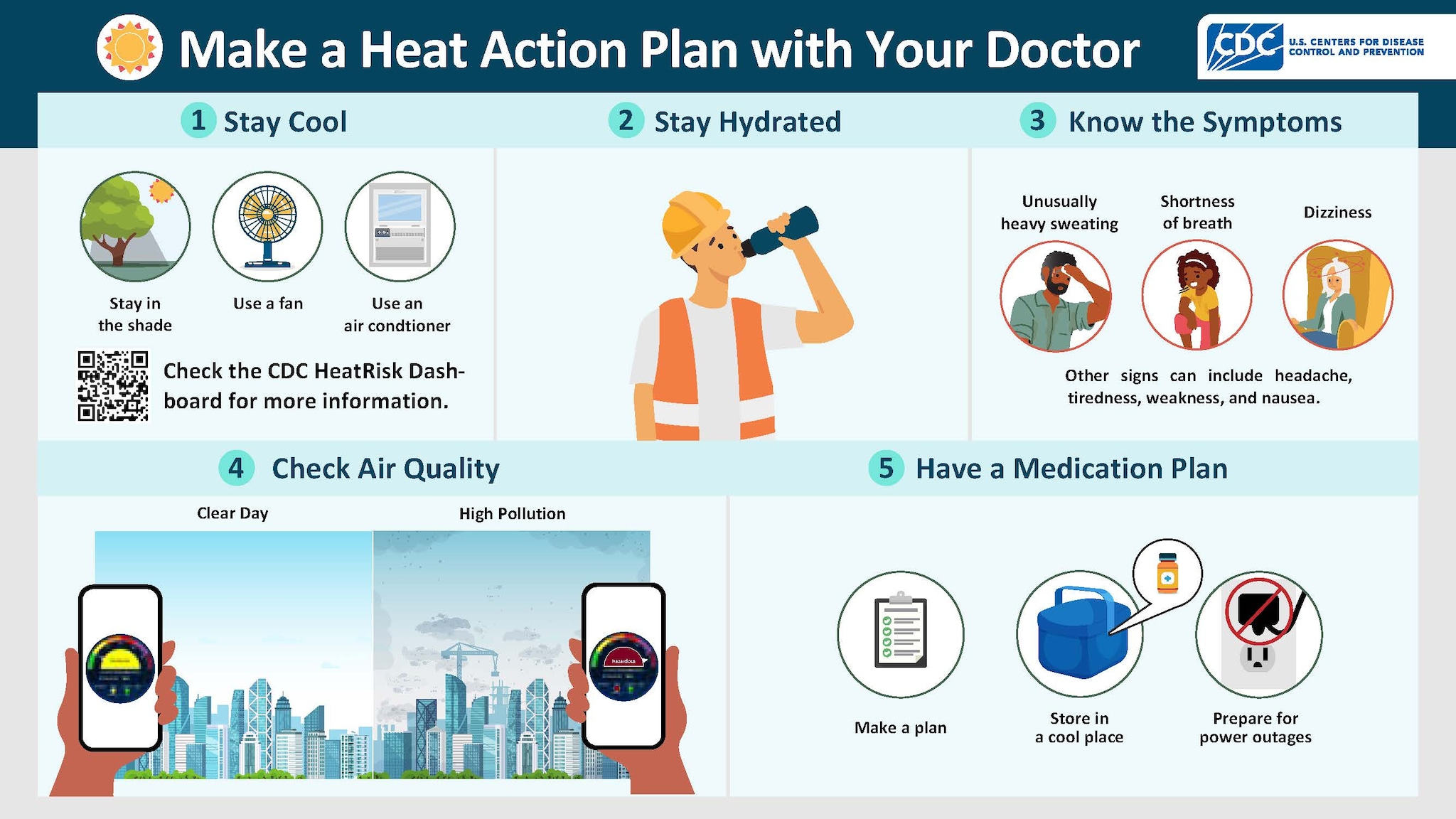
When temperatures climb toward 40°C, the human body’s thermoregulation systems are pushed to their limits. As a physician, I frequently observe that the primary danger is not just the heat itself, but the body’s inability to dissipate it effectively, particularly when humidity levels are high. High ambient temperatures force the heart to work harder to pump blood to the skin’s surface for cooling, which can exacerbate existing heart conditions.
The World Health Organization (WHO) notes that heat-related illnesses range from heat cramps and heat exhaustion to heat stroke, the latter of which is a medical emergency. Heat stroke occurs when the body’s core temperature exceeds 40°C, leading to organ failure if not treated immediately. In Belgium, as in much of Western Europe, the traditional housing stock—often built to retain heat for colder months—can become a hazard during summer, trapping heat indoors and creating dangerous conditions for occupants who lack access to air conditioning.
Public Health Infrastructure and Adaptation
Belgian authorities have implemented various measures to mitigate these risks, primarily through the National Heat and Ozone Plan. This framework is designed to provide early warnings to the public, healthcare providers, and nursing homes when temperatures are projected to rise significantly. The plan emphasizes hydration, the use of cooling centers, and the monitoring of isolated individuals.
However, medical professionals and urban planners argue that long-term adaptation is necessary. This includes the “greening” of urban environments—reducing the “urban heat island” effect where concrete and asphalt absorb and re-radiate heat—and improving the energy efficiency of public buildings. According to research published by the European Environment Agency (EEA), heat-related mortality is a rising concern across the continent, necessitating a shift from reactive emergency management to proactive climate-resilient infrastructure.
Managing Personal Risk During Heatwaves
For individuals, the most effective defense remains prevention. Staying indoors during the peak hours of 12:00 p.m. to 4:00 p.m., wearing lightweight clothing, and maintaining adequate fluid intake are essential. It is also critical to recognize the early warning signs of heat stress: dizziness, heavy sweating, rapid pulse, and nausea.
If you or someone you are with shows signs of confusion or loss of consciousness, seek emergency medical assistance immediately. In Belgium, the emergency number for medical services is 112. Protecting neighbors, particularly those living alone, is a community-level intervention that has proven effective in reducing heat-related morbidity during past record-breaking summers.
Looking Ahead: Monitoring Climate Trends
The RMI continues to monitor long-term trends to refine its forecasting models. As the climate evolves, the frequency of heat-related alerts is expected to remain high during the summer months. Residents are encouraged to stay informed through official government channels and to follow the guidance provided by the National Crisis Center regarding extreme weather protocols.
Understanding the risks associated with extreme heat is the first step toward building a more resilient society. As we look toward the next summer season, ongoing investments in public awareness and climate-adaptive infrastructure remain the most reliable tools for protecting public health. Please share your thoughts or questions regarding local heat preparedness in the comments below.
Worth a look
- Aprobada en EE.UU. la primera vacuna de ARNm contra la gripe para adultos mayores: así funciona y se diferencia de la tradicional
- Medical Malpractice Defense: Expert Legal Strategy for Medical Disputes & Litigation
- Europe Wildfires Force Thousands to Flee Amid Record Heatwave (archynewsy.com)
- Government Warns Single-Use Grills Pose Significant Public Risk Amid Heatwave (world-today-news.com)