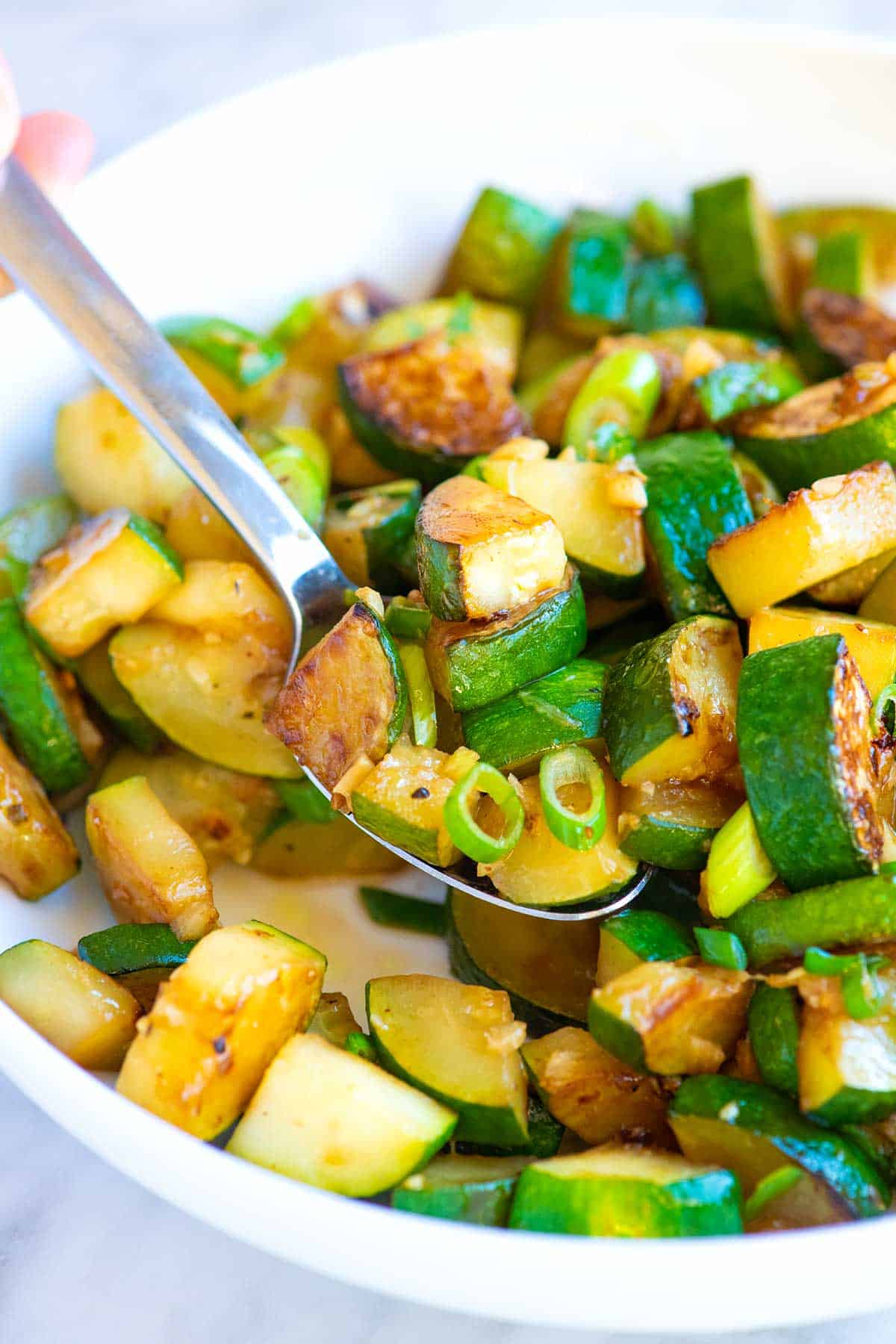
Korean squash side dishes, commonly known as hobak-bokkeum, represent a staple of home-cooked Korean cuisine, prized for their simplicity and nutritional profile. Preparing this dish typically involves slicing Korean zucchini—a variety similar to summer squash—and using salt to draw out excess moisture before sautéing or steaming. According to culinary records from the Korean Food Promotion Institute, this vegetable preparation is a cornerstone of the traditional banchan culture, which emphasizes seasonal ingredients and balanced flavor profiles.
The preparation process centers on the vegetable’s water content. By salting the squash slices and allowing them to sit for approximately 20 minutes, home cooks can ensure the final dish maintains a firm texture rather than becoming mushy. This technique, known as jeol-im, is a standard practice in East Asian vegetable cookery to improve both flavor absorption and mouthfeel. Following the salting process, the liquid is pressed out, and the squash is typically cooked, with modern adaptations often utilizing the speed and efficiency of microwave heating to soften the vegetable quickly.
Nutritional Significance of Korean Squash
Korean zucchini, or ae-hobak, is a high-fiber, low-calorie vegetable that provides essential vitamins including A and C. Nutritional data from the United States Department of Agriculture (USDA) indicates that summer squashes are significant sources of antioxidants, which play a role in reducing oxidative stress in the body. In the context of a balanced diet, incorporating steamed or lightly sautéed squash as a side dish allows for the consumption of fiber-rich foods without the addition of heavy fats or processed seasonings.

When preparing the dish, the use of minimal sodium—typically around 4 grams of salt—is recommended to maintain the vegetable’s natural sweetness. The practice of removing water after salting not only improves texture but also prevents the dish from becoming overly diluted when combined with aromatics like garlic, scallions, or sesame oil. This method ensures that the final product remains a concentrated, nutrient-dense component of a meal.
Modern Preparation Techniques
While traditional recipes often call for stir-frying in a pan, the use of microwaves for the initial cooking phase has become a popular time-saving method in contemporary kitchens. This approach, often featured in digital cooking tutorials, allows for precise heat control, preventing the squash from losing its vibrant green color or turning translucent from overcooking. According to food safety guidelines from the U.S. Food and Drug Administration (FDA), using the microwave to steam vegetables is an effective way to retain water-soluble vitamins that might otherwise be lost during boiling.
To achieve the best results, cooks should monitor the squash closely during the microwave cycle. Short intervals of 1 to 2 minutes are generally sufficient to reach the desired tenderness. Once the squash is softened, it can be seasoned with toasted sesame seeds and a small amount of sesame oil to elevate the flavor profile, a technique frequently cited in culinary literature focused on Korean cultural gastronomy.
Common Variations and Serving Suggestions
The versatility of hobak-bokkeum allows for various regional and personal modifications. Some recipes incorporate dried shrimp to add a savory umami note, while others may add thinly sliced red chili peppers for heat. Regardless of the additions, the fundamental step of salting and draining remains consistent. This dish is traditionally served alongside steamed white rice, kimchi, and protein-based main courses to form a complete, balanced meal.

For those looking to explore more traditional Korean side dishes, the following resources provide standardized guidelines for preparation:
- The Korean Food Promotion Institute’s guide to seasonal banchan.
- USDA MyPlate resources for incorporating squash into daily vegetable intake.
- Local health department advisories regarding safe produce handling and storage.
As food trends continue to evolve, the emphasis on simple, vegetable-forward dishes like this squash side remains a constant in both professional and home kitchens. The next update on traditional Korean culinary techniques is expected through the upcoming seasonal publication from the Korean Food Institute. We invite readers to share their own variations of this classic recipe in the comments section below.
Related reading