
Certain dog breeds, notably English and French Bulldogs, face a significantly higher risk of dermatological issues such as dermatitis, skin fold infections, and allergies. Owners can mitigate these risks through regular cleaning of skin folds, strict parasite control, and veterinarian-approved dietary management.
Veterinary professionals indicate that breed-specific anatomy and genetic predispositions play a primary role in the prevalence of skin conditions. While many dogs experience occasional itching, certain breeds require proactive dermatological care to prevent chronic inflammation and secondary infections.
Which dog breeds face the highest risk of skin problems?
Genetic factors and physical structure determine which dogs are most susceptible to dermatological distress. Brachycephalic breeds—those with shortened facial features and excessive skin folds—are among the highest-risk groups. According to veterinary dermatological standards, the English Bulldog and French Bulldog are particularly prone to skin fold dermatitis, also known as intertrigo. This condition occurs when moisture, heat, and bacteria become trapped within the deep wrinkles characteristic of these breeds.
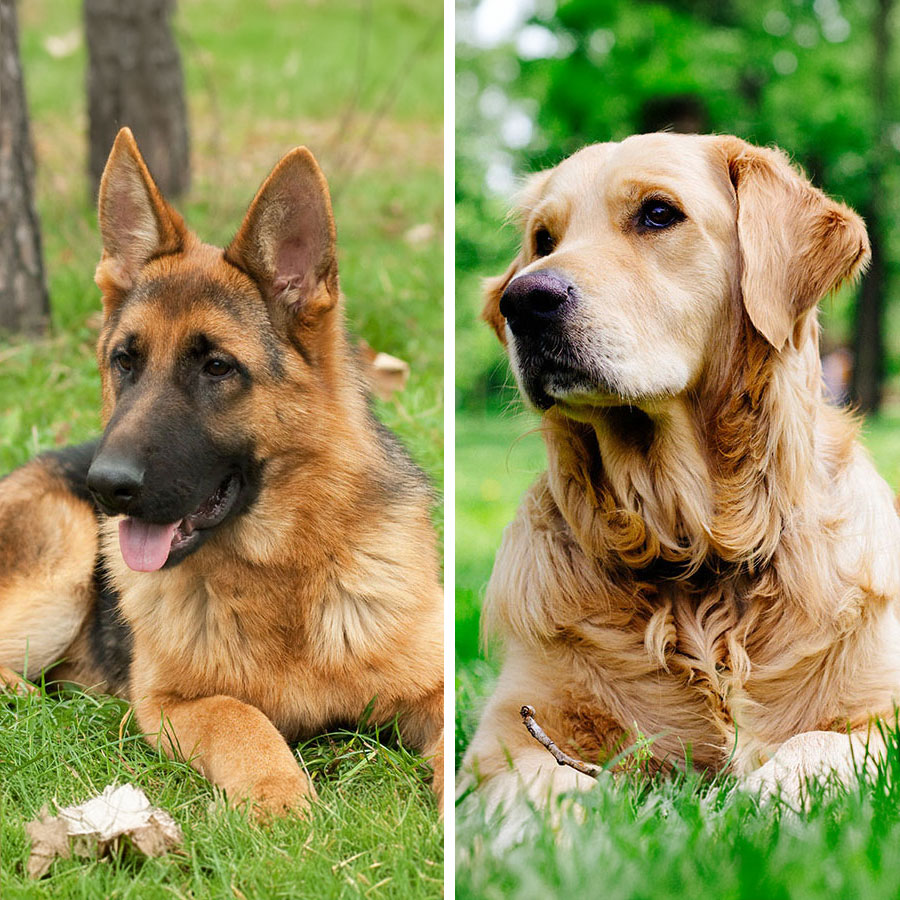
Beyond the Bulldog family, other breeds demonstrate high rates of skin sensitivity. West Highland White Terriers, commonly known as Westies, frequently suffer from atopic dermatitis, a chronic allergic reaction to environmental triggers. Golden Retrievers and German Shepherds also show a high predisposition toward allergies, which can manifest as skin irritation or ear infections. Pugs, sharing the brachycephalic traits of Bulldogs, face similar challenges with moisture retention in their facial folds.
The following table summarizes the primary skin concerns associated with high-risk breeds:
| Breed Group | Common Skin Condition | Primary Contributing Factor |
|---|---|---|
| English & French Bulldogs | Skin fold dermatitis (Intertrigo) | Deep wrinkles trapping moisture/bacteria |
| West Highland White Terriers | Atopic dermatitis | Genetic environmental hypersensitivity |
| Pugs | Intertrigo and Pyoderma | Brachycephalic facial anatomy |
| Golden Retrievers | Allergic dermatitis | Environmental and food sensitivities |
| German Shepherds | Atopy and skin infections | Genetic predisposition to allergies |
Why are Bulldogs specifically prone to dermatitis and infections?
The anatomical structure of Bulldogs creates a unique microenvironment in their skin folds. These folds act as reservoirs for sweat, sebum, and environmental debris. When these areas are not cleaned regularly, the combination of heat and moisture promotes the rapid growth of bacteria and yeast, specifically Staphylococcus and Malassezia. This process often leads to pyoderma, a bacterial infection of the skin, or yeast-driven dermatitis.
Veterinary experts note that these infections are frequently secondary to the physical presence of the folds rather than a primary disease. If a dog’s skin folds are not dried thoroughly after bathing or swimming, the risk of developing a painful, malodorous infection increases significantly. This inflammation can cause the skin to become red, swollen, and cracked, creating further entry points for pathogens.
What are the most common types of canine skin conditions?
Understanding the specific type of dermatological issue is essential for effective treatment. Veterinary medicine generally categorizes canine skin problems into several distinct types:

- Atopic Dermatitis: This is an immune-mediated response to environmental allergens such as pollen, dust mites, or molds. It is a common cause of chronic itching in breeds like Westies and Golden Retrievers.
- Food Allergies: Often confused with atopy, food allergies involve a hypersensitivity to specific proteins or ingredients in a dog’s diet. This typically manifests as intense itching, particularly around the head, neck, and ears.
- Intertrigo: This specifically refers to the inflammation of skin folds. It is most common in breeds with significant wrinkling, such as Bulldogs and Pugs.
- Parasitic Dermatosis: Infestations by fleas, mites (such as sarcoptic mange), or ticks can trigger severe skin reactions. Flea Allergy Dermatitis (FAD) is one of the most common causes of acute itching in dogs worldwide.
- Pyoderma: This is a clinical term for a bacterial infection of the skin. It can occur on its own or as a secondary complication of other skin conditions.
The canine skin barrier, or the stratum corneum, serves as the first line of defense against these pathogens. When this barrier is compromised by genetics, allergens, or poor hygiene, the dog becomes significantly more vulnerable to the conditions listed above.
How can pet owners prevent dermatological issues in high-risk breeds?
Prevention strategies focus on maintaining the integrity of the skin barrier and managing environmental triggers. For breeds with skin folds, hygiene is the most critical preventative measure. Owners should use gentle, hypoallergenic wipes or damp cloths to clean skin folds daily. It is vital to ensure the skin is completely dry following any cleaning or bathing session to prevent moisture buildup.
:max_bytes(150000):strip_icc()/pug-bulldog-comparison-FINAL-2-f9e8d94bbbfd47ed8e9beaef9add9a25.png "How can pet owners prevent dermatological issues in high-risk breeds?")
For dogs prone to allergies, environmental management can reduce the frequency of flare-ups. This includes regular vacuuming to reduce dust mites, using air purifiers, and limiting exposure to high-pollen seasons. If a veterinarian has diagnosed a food allergy, strict adherence to a prescription or hydrolyzed protein diet is necessary to prevent systemic inflammation.
Consistent parasite prevention is another fundamental pillar of dermatological health. Using veterinarian-recommended flea and tick preventatives year-round can prevent the onset of flea allergy dermatitis, which can cause widespread skin damage if left untreated.
Preventative Care Checklist
- Daily Fold Maintenance: Clean and dry wrinkles in Bulldogs and Pugs daily.
- Consistent Parasite Control: Follow a strict monthly schedule for flea and tick prevention.
- Dietary Monitoring: Watch for signs of itching after introducing new foods.
- Regular Grooming: Keep hair trimmed around sensitive or folded areas to improve airflow.
- Moisture Control: Ensure dogs are dried thoroughly after baths, swims, or rainy walks.
When should you consult a veterinary dermatologist?
Early intervention can prevent a minor irritation from evolving into a systemic infection. Owners should seek professional veterinary care if they observe any of the following symptoms:
- Persistent or intense scratching and biting at the skin.
- Visible redness, swelling, or inflammation in skin folds or on the body.
- A distinct, unpleasant odor emanating from the skin or folds.
- Loss of hair (alopecia) in specific patches.
- Skin lesions, bumps, or open sores.
- Excessive licking or chewing of the paws and ears.
A veterinarian may perform diagnostic tests, such as skin cytology, fungal cultures, or allergy testing, to identify the root cause of the irritation. Treating the symptoms without addressing the underlying cause—such as an allergen or a specific bacterial strain—often leads to recurring issues.
Frequently Asked Questions
Can changing my dog’s food fix skin issues?
If the issue is a confirmed food allergy, a controlled diet can significantly improve skin health. However, many skin issues are caused by environmental allergies or hygiene problems, which diet alone will not resolve. Consult a veterinarian before making major dietary changes.
Is it safe to use human lotions on my dog’s skin?
No. Human products often contain fragrances, alcohols, and chemicals that can irritate a dog’s sensitive skin barrier. Always use products specifically formulated for canine use and approved by a veterinarian.
How often should I clean my dog’s skin folds?
For breeds like Bulldogs, daily cleaning is recommended to prevent the accumulation of bacteria and yeast. The goal is to remove debris and ensure the area remains dry.
Why does my dog itch more during certain seasons?
This is often a sign of seasonal atopy, where the dog reacts to environmental allergens like pollen or grass. Managing the environment and using veterinarian-approved topical treatments can help mitigate these seasonal flare-ups.
The next step for pet owners noticing these symptoms is to schedule a diagnostic appointment with a veterinarian to determine if the issue is bacterial, fungal, or allergic. For more information on managing chronic conditions, consult your local veterinary clinic or the American College of Veterinary Dermatology.
Do you have experience managing skin issues in your pets? Share your observations or questions in the comments below and share this article with fellow pet owners.
Worth a look