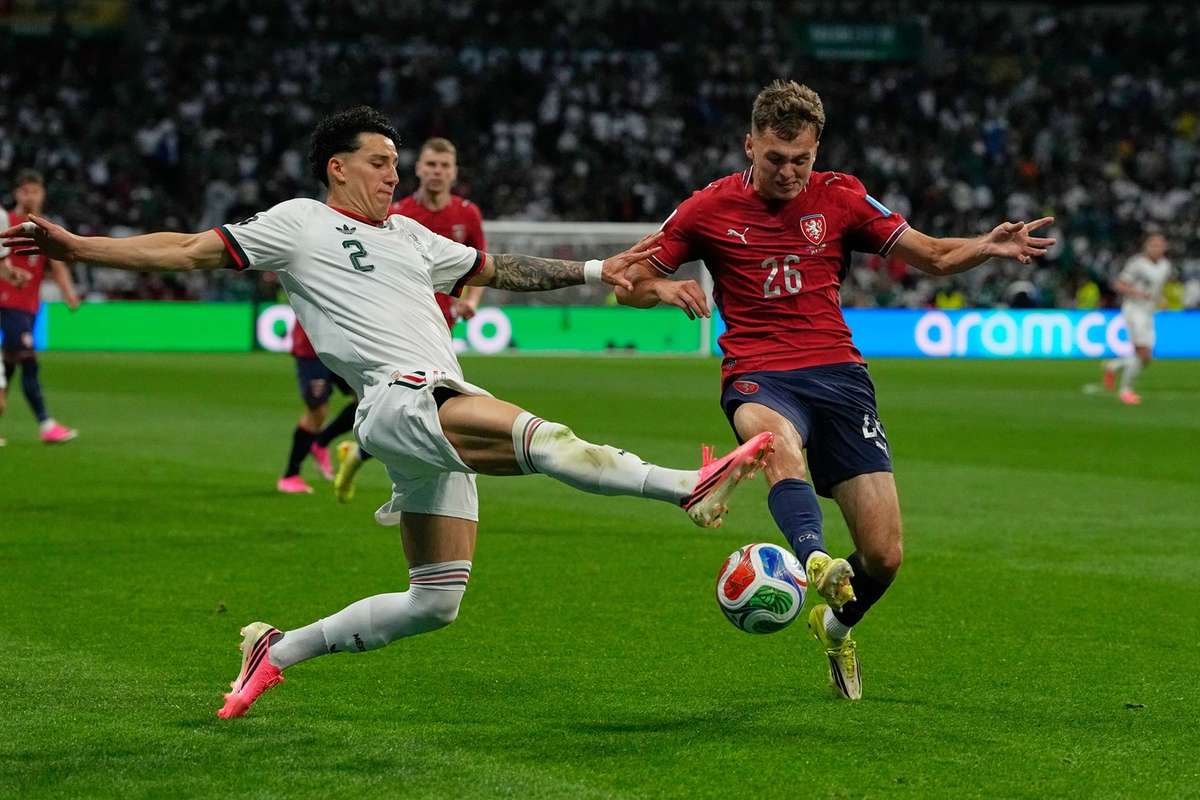
The Czech Republic national football team’s recent performance at the international tournament has triggered significant public and internal debate, centering on tactical decisions and player conduct. Following a series of underwhelming results, concerns regarding the leadership of coach Koubek have intensified, with officials from the Football Association of the Czech Republic (FAČR) addressing the team’s trajectory and the potential for structural changes within the coaching staff.
Central to the discourse is the substitution of player Daniel Višinský during a critical match, an event that highlighted a broader disconnect between coaching staff assessment and player perspective. While coach Koubek attributed the tactical change to physical exhaustion, the player’s own assessment of his condition differed, fueling broader media speculation regarding team cohesion. According to reports from iDNES.cz, the team’s overall performance metrics have been low, with analysts assigning poor grades to several representatives as the squad struggles to meet expectations.
Evaluating the Coaching Leadership and Performance Standards
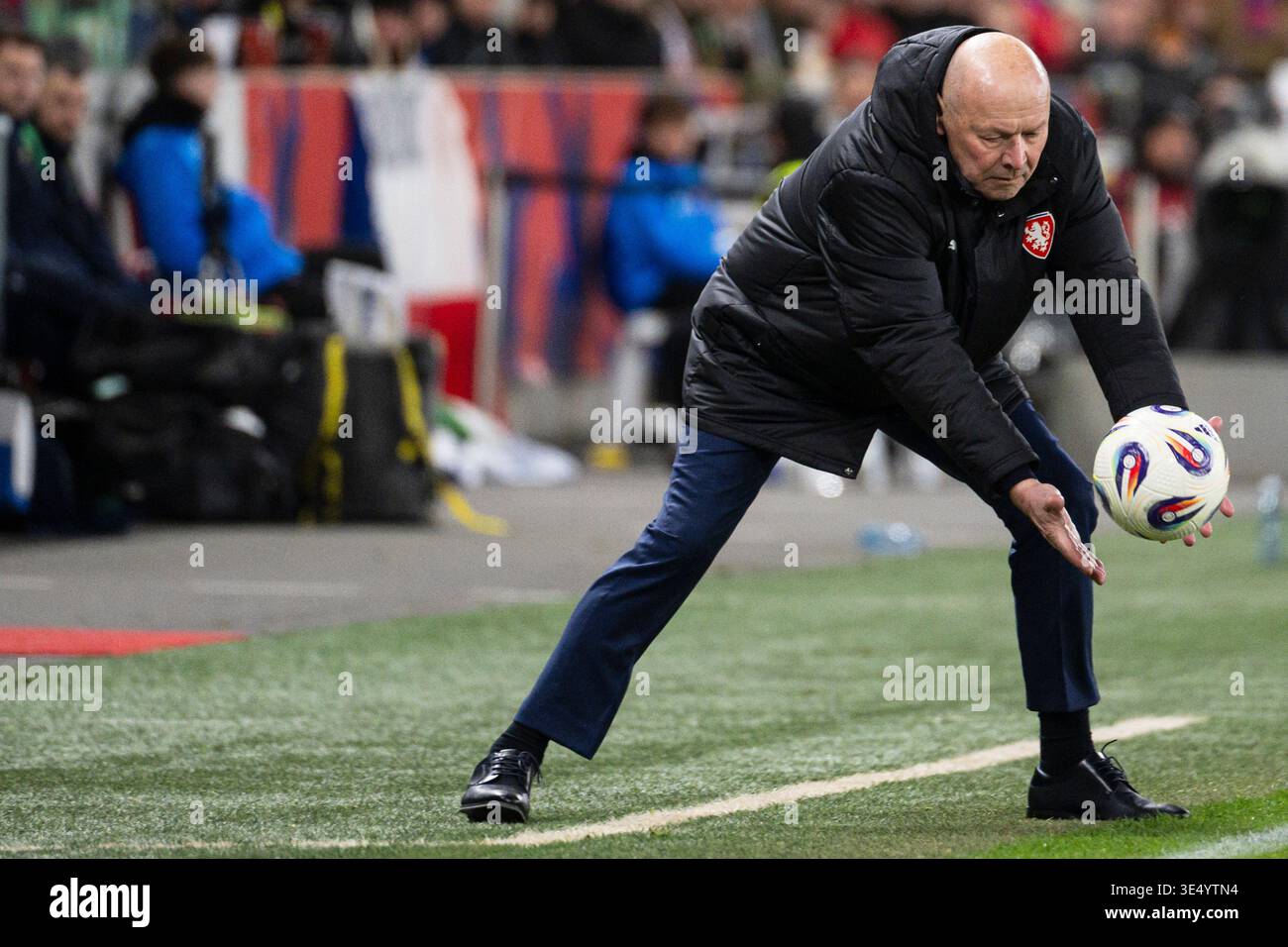
The pressure on coach Koubek has mounted as the team failed to secure the necessary results to advance comfortably in the tournament. FAČR representative Trunda and other officials have been forced to respond to mounting public dissatisfaction, particularly as the tournament reaches record-breaking numbers. The discussion surrounding Koubek’s future is not merely about individual match outcomes but represents a broader audit of the national team’s strategic direction.
The disparity between the coach’s assessment of player Višinský and the player’s own post-match comments has become a focal point for critics. In professional football, such public disagreements between staff and athletes often serve as a bellwether for deeper organizational issues. As noted by Seznam Zprávy, the perception of “arrogance” in media interactions followed by poor on-field execution has created a narrative of mismanagement that the federation is now tasked with addressing.
Tactical Disconnects and Player Welfare
From a medical and sports physiology perspective, managing player fatigue during high-intensity tournaments is a complex task. Coaches often rely on visual cues—such as decreased sprint speed or tactical positioning errors—to determine when a player’s performance has peaked. However, the subjective experience of the athlete often contradicts these external observations. Communication breakdowns in these moments can lead to public friction, which undermines team morale during critical phases of competition.
The Football Association of the Czech Republic faces the challenge of balancing the need for immediate results with the long-term development of the squad. As the tournament progresses, the focus shifts to whether the current technical staff can bridge the gap in communication and performance. Official statements from the federation, as documented by Sport.cz, suggest that while the current situation is under review, no immediate, permanent changes to the coaching structure have been finalized as of the most recent press briefing.
Future Outlook for the National Team
The next phase for the Czech national team involves a rigorous review process. Fans and stakeholders are awaiting official communications regarding the team’s preparation for upcoming qualification rounds. The federation’s ability to stabilize the locker room and reconcile the differing accounts of player fitness and tactical readiness will be essential for the remainder of the season.
For official updates regarding the team’s status and any further personnel announcements, stakeholders are encouraged to monitor the official website of the Football Association of the Czech Republic. The organization is expected to release a comprehensive post-tournament analysis in the coming weeks. We invite our readers to share their perspectives on the team’s performance and the challenges currently facing the coaching staff in the comments section below.
Worth a look