
Nike strength equipment has officially moved from online community rumors to home gyms worldwide, prompting serious questions from garage gym owners about whether the brand’s heavy iron is worth buying. When the athletic apparel giant expanded into commercial-grade racks, barbells, and bumper plates, skeptics in the fitness community anticipated an overpriced marketing play. Instead, hands-on reviews of the Nike strength lineup reveal surprisingly solid build quality, though buyers must still weigh specific performance metrics against traditional fitness brands.
As home fitness enthusiasts look beyond basic apparel, understanding the manufacturing specs, pricing structures, and everyday utility of Nike workout equipment helps clarify whether the brand deserves space in a personal training setup. While longtime industry mainstays like Rogue Fitness and Rep Fitness have spent decades refining steel gauges and weld standards, Nike’s entry into heavy gym equipment brings a fresh design language to the home training market. Evaluating this new gear requires looking past the branding to examine tensile strength, plate bounce, and total financial investment.
From Rumors to Racks: Why Nike Entered the Heavy Iron Market
Nike’s shift into heavy strength equipment followed years of dominating commercial gym floors and CrossFit boxes with its Metcon footwear line. Industry observers initially met the rollout with skepticism, questioning if a massive athletic corporation could successfully manufacture durable exercise equipment for dedicated strength trainees. According to fitness gear reviews, the company avoided simply slapping logos onto generic imports, opting instead to design functional apparatuses tailored for regular power rack users.
The garage gym community evaluates training gear based on strict metrics, including weld quality, steel thickness, and corrosion resistance in humid environments like sheds or garages. Reviewers note that the Nike strength line manages to meet these stringent structural demands. Rather than targeting casual trainees, the company built its core offerings for individuals lifting heavy iron multiple times a week.
Hands-On Testing: Weights, Barbells, and the Drop Test
Performance testing of Nike weights and barbells over extended periods highlights several distinct engineering choices. The bumper plates stand out as high-performing components, featuring a thin profile that allows users to load more than four plates onto a standard barbell sleeve—resolving a common frustration found with entry-level fitness equipment. Drop tests involving overhead releases of 45-pound bumper plates onto raw concrete demonstrate that the internal steel inserts remain securely seated while delivering a predictable, low-bounce response suitable for tight training spaces.
Meanwhile, the Nike barbell features a 190k PSI tensile strength alongside a finish designed to resist flaking. Reviewers describe the knurling as a medium-plus texture, offering a secure grip for heavy pulls without causing skin damage. This specification positions the bar closer to competitive weightlifting standards than standard hotel gym accessories.
Comparing Nike Strength Gear to Rogue and Rep Fitness
A primary debate among buyers centers on whether a “Swoosh tax” inflates the cost of Nike strength equipment compared to established competitors. Base unit pricing for Nike gear remains competitive with market alternatives, though shipping expenses can increase the final cost for consumers. While Rogue Fitness maintains an advantage in American-made flagship barbells and Rep Fitness provides deeper rack customization options, Nike excels in smaller training accessories like change plates and collars.
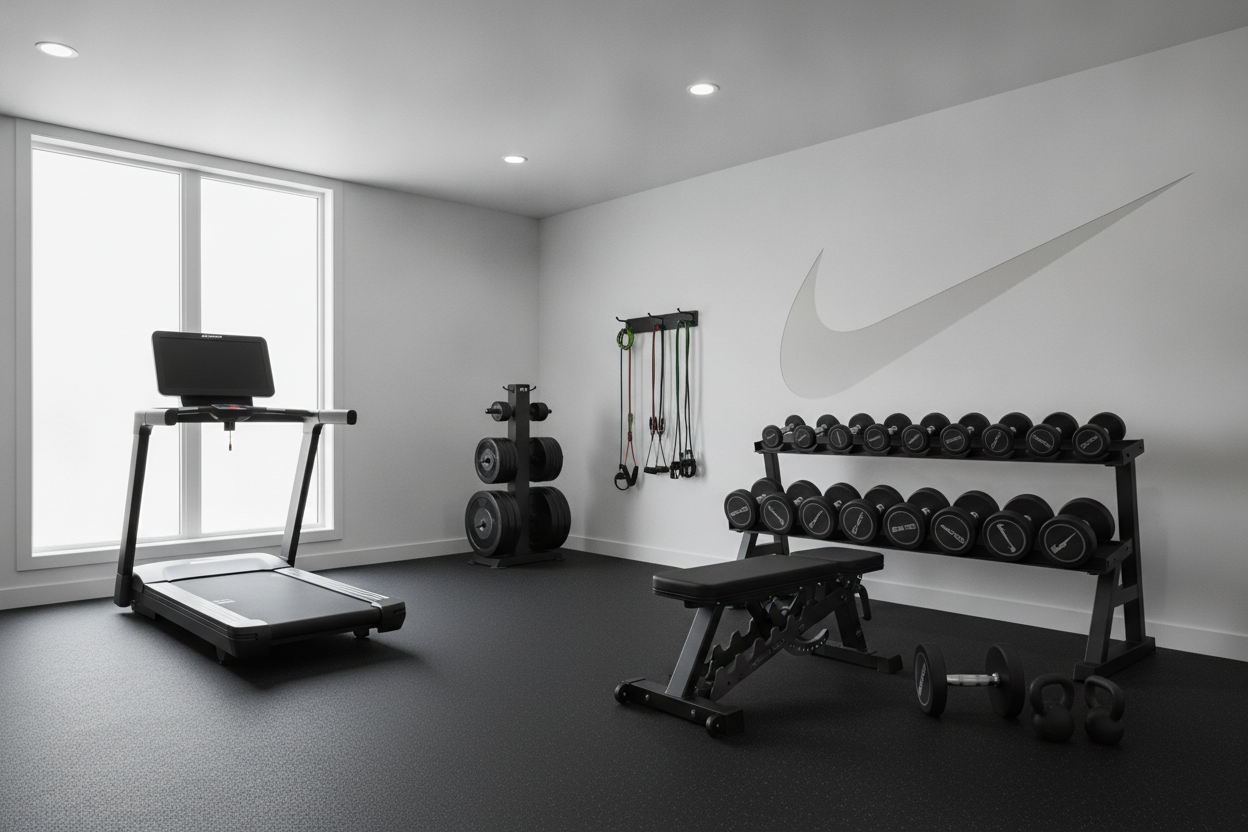
Ultimately, purchasing Nike weightlifting gear functions as a horizontal move in build quality rather than a vertical upgrade over existing top-tier brands. Buyers primarily pay for a cohesive design aesthetic and a unified ecosystem, particularly appealing to consumers who already use Nike training apparel and want a matching home gym environment.
Evaluating the Aesthetic Appeal and Community Response
Discussion across online fitness forums initially treated the equipment line with humor, but subsequent hands-on evaluations shifted toward examining the practical utility of the matte finishes and clean lines. While internet communities often focus on the visual presentation of home gyms, product testers emphasize that the gear delivers legitimate functional performance beneath its polished exterior.
For trainees prioritizing a sleek, modern visual style alongside reliable heavy-iron performance, the Nike line offers a viable alternative to traditional industrial aesthetics. Prospective buyers should review their specific space constraints, budget requirements, and equipment preferences before investing in a full ecosystem setup.
Worth a look