
As of late June 2026, the Italian mortgage market continues to adjust to a shifting interest rate environment, with financial institutions recalibrating their product offerings to attract prospective homeowners. Current data indicates that lenders are increasingly prioritizing specialized products, such as green mortgages and flat-rate options, to differentiate their portfolios amidst broader macroeconomic trends influencing the European Central Bank’s monetary policy. According to reports from the European Central Bank, tracking these official rate cycles remains the most reliable method for borrowers to anticipate long-term shifts in mortgage affordability.
For individuals currently evaluating their options, the divergence between fixed and variable rates remains a primary consideration. Fixed-rate mortgages, or tassi fissi, offer stability by locking in a specific interest rate for the duration of the loan, while variable-rate mortgages, or tassi variabili, fluctuate based on market benchmarks such as the Euribor. Financial analysts note that the choice between these two depends heavily on a borrower’s individual risk tolerance and their outlook on future inflation trends within the Eurozone.
Market Trends and Current Mortgage Offerings
At the close of June 2026, major Italian lenders have introduced targeted mortgage products designed to meet specific consumer needs. For instance, institutions such as Banca BPER have promoted “Green” mortgage initiatives, which often provide preferential interest rates for properties that meet high energy-efficiency standards. These products are part of a broader shift in the banking sector to align lending practices with European sustainability mandates, as outlined by the EU Taxonomy Regulation on sustainable activities.

Simultaneously, banks like Banco Desio have focused on simplified, transparent structures, such as their “Flat” rate offerings. These products aim to minimize the complexity often associated with variable-rate loans, providing borrowers with a predictable payment schedule. Financial advisors generally recommend that potential applicants compare the Annual Percentage Rate (APR)—or TAEG in Italy—rather than focusing solely on the nominal interest rate, as the APR includes additional costs such as processing fees and mandatory insurance premiums, which can significantly alter the total cost of the loan.
Factors Influencing Mortgage Rates in 2026
The cost of borrowing in Italy is fundamentally tethered to the monetary policy decisions of the European Central Bank. When the Governing Council adjusts its deposit facility rates, commercial banks typically pass these changes on to consumers, impacting both new mortgage originations and existing variable-rate contracts. According to official data from the Bank of Italy, domestic credit institutions maintain a delicate balance between maintaining profit margins and remaining competitive in a market where household demand for real estate financing remains sensitive to price fluctuations.
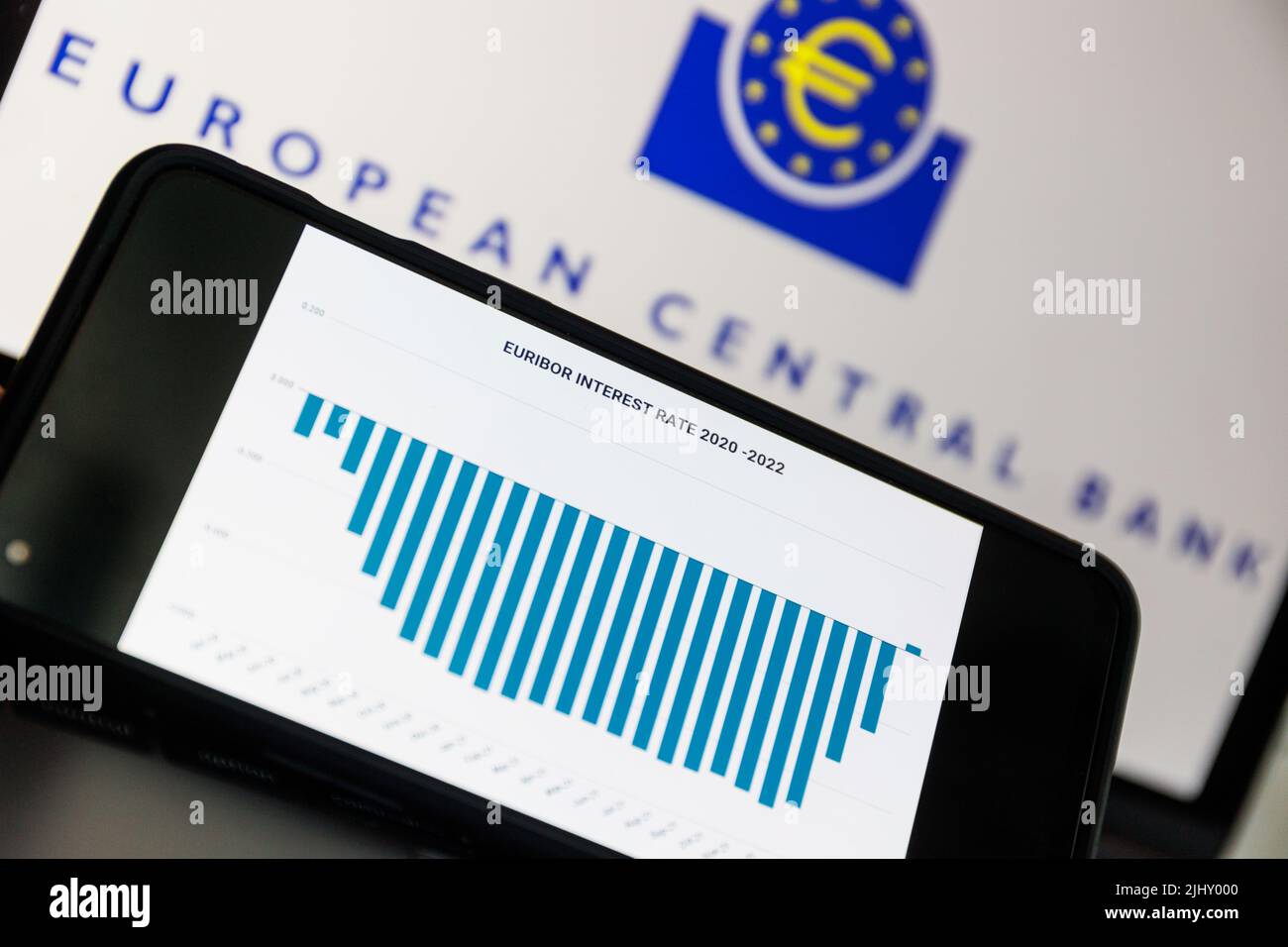
Beyond central bank policy, local economic factors such as regional housing demand and individual creditworthiness also play a role in the final offer a borrower receives. Lenders assess the loan-to-value (LTV) ratio—the amount of the loan compared to the appraised value of the property—as a critical metric for determining the risk profile of a mortgage. Borrowers with an LTV ratio below 80% generally qualify for more favorable terms, as they represent a lower default risk to the lending institution.
How to Evaluate Mortgage Proposals
Prospective homeowners should approach the current market by conducting a rigorous comparison of available products. The first step involves requesting a Prospetto Informativo Europeo Standardizzato (PIES), a standardized document that allows for an apples-to-apples comparison of mortgage costs across different banks. This document is mandatory under European Union consumer protection laws and provides a clear breakdown of the total amount payable, the frequency of installments, and the impact of potential interest rate changes.
Furthermore, it is advisable for borrowers to consult with independent financial intermediaries or utilize digital comparison tools that aggregate real-time market data. While promotional rates can appear attractive, the long-term commitment of a 20- or 30-year mortgage requires a thorough analysis of the bank’s flexibility regarding early repayment options and the potential to renegotiate terms if market conditions improve in the future. As of late June 2026, the market remains active, with lenders competing for a share of the residential property sector by emphasizing both digital efficiency and specialized product features.
The next official update regarding European monetary policy and its subsequent impact on interest rates is expected following the upcoming Governing Council meeting of the European Central Bank. Borrowers are encouraged to monitor official bank disclosures and financial news bulletins for further developments. Readers are invited to share their experiences with current mortgage applications or pose questions regarding specific financial terms in the comments section below.
Worth a look