
Travelers planning their 2026 European getaways are facing a shifting landscape of affordability, as inflation and surging demand for city tourism continue to influence consumer costs. According to the latest data from the European Travel Commission, while Western European capitals remain the most expensive destinations, Eastern and Southeastern European cities continue to offer the most competitive value for international visitors. Identifying these price discrepancies is essential for budget-conscious planning, particularly as accommodation and dining prices fluctuate significantly between regions.
For many travelers, the primary concern is the rising cost of short-term rentals and local services. Recent reports from the Eurostat tourism database indicate that the cost of living index for tourists—which includes lodging, food, and local transportation—varies by as much as 40% between high-cost hubs like Zurich or Paris and more accessible alternatives such as Sofia or Bucharest. Understanding these disparities allows for more strategic travel planning in the coming year.
Understanding the European Cost Index
The cost of European travel is largely dictated by the “City Break” index, which measures average daily expenditure. As of 2025, cities in Switzerland, Scandinavia, and major Western European capitals consistently rank as the most expensive, while cities in the Balkans and Eastern Europe often appear at the bottom of the price list. According to the Numbeo Cost of Living Index, the price gap is driven primarily by local wage levels and the density of short-term rental platforms, which have pushed up prices in popular tourist corridors.
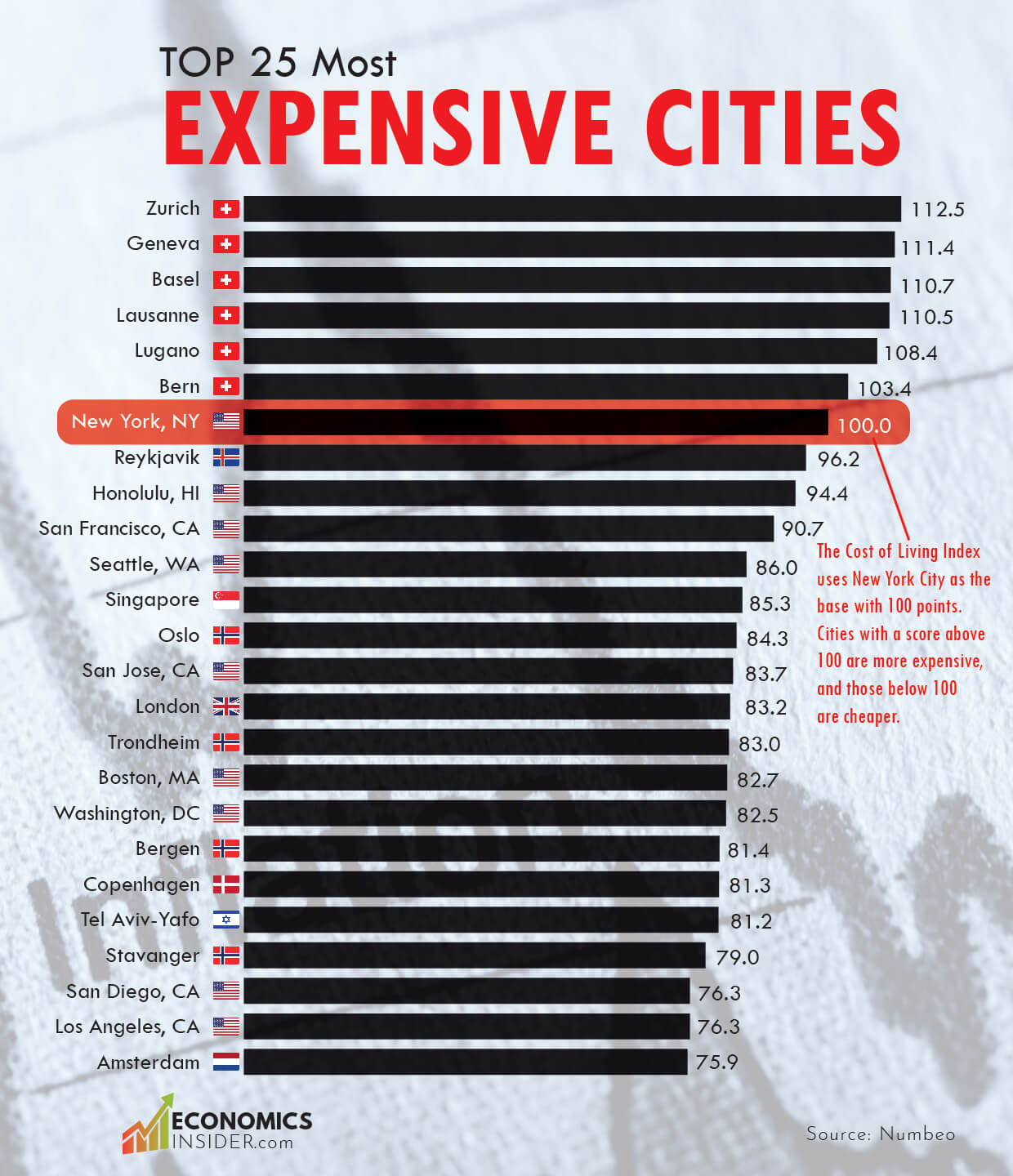
Travelers looking to maximize their budgets often look toward the “value for money” metric. This metric balances the cost of a three-star hotel room, two meals a day, and public transit passes. In regions such as the Baltics and parts of the Balkans, these costs remain significantly lower than in traditional Mediterranean hotspots. However, the OECD Tourism Policy reports note that as infrastructure improves in these lower-cost cities, price convergence is becoming more common, narrowing the gap between budget and luxury tiers.
Regional Price Comparisons
When analyzing the cost of travel, it is helpful to contrast the expense profiles of different European zones. While the Mediterranean remains the most popular destination for summer tourism, the high demand often leads to significant price spikes during peak season. Research from the Tourism Economics group highlights that cities with strong rail connectivity and lower tax burdens on hospitality services frequently maintain lower prices for international visitors throughout the year.

The following table illustrates the general pricing trends for major European travel hubs based on current regional averages:
| City Category | Primary Cost Drivers | Estimated Daily Range (Euro) |
|---|---|---|
| High-Cost Hubs | Accommodation, Dining, Taxes | €250 – €400+ |
| Mid-Range Cities | Mixed Demand, Local Services | €150 – €240 |
| Budget-Friendly Destinations | Low Labor/Service Costs | €70 – €140 |
These figures are estimates based on average seasonal data provided by the World Tourism Organization. Individual costs will vary based on personal travel habits, the time of year, and the specific booking window utilized by the traveler.
Strategic Tips for 2026 Travel
To mitigate the impact of rising costs, travel experts suggest booking off-peak travel times. According to the International Air Transport Association (IATA), shoulder-season travel—specifically in late April, May, or October—often yields lower rates for both flights and accommodation. By avoiding the peak months of July and August, travelers can often secure the same quality of service at a fraction of the cost.
Another factor to consider is the reliance on local tourism boards. Many cities now offer “City Passes” that bundle public transport with museum entry fees. The European Travel Commission recommends that visitors check these official municipal sites before arrival, as they frequently provide the most accurate information regarding local tourist taxes and discount programs that are not always reflected on third-party booking platforms.
Looking Ahead to 2026
As the industry moves toward 2026, the focus remains on sustainable growth and price transparency. The European Commission continues to monitor the impact of short-term rental regulations on local housing markets, which is a key component in the pricing of city breaks. Travelers are encouraged to keep an eye on official announcements regarding tourism levies, as several major cities are currently debating new tax structures to manage overcrowding and infrastructure maintenance.

The next major update on European tourism pricing will be released in the Q1 2026 industry outlook report. For those planning trips, checking the official websites of national tourism authorities remains the most reliable way to stay informed on local pricing shifts and regulatory changes. We invite our readers to share their experiences or questions regarding European travel costs in the comments section below.
Worth a look