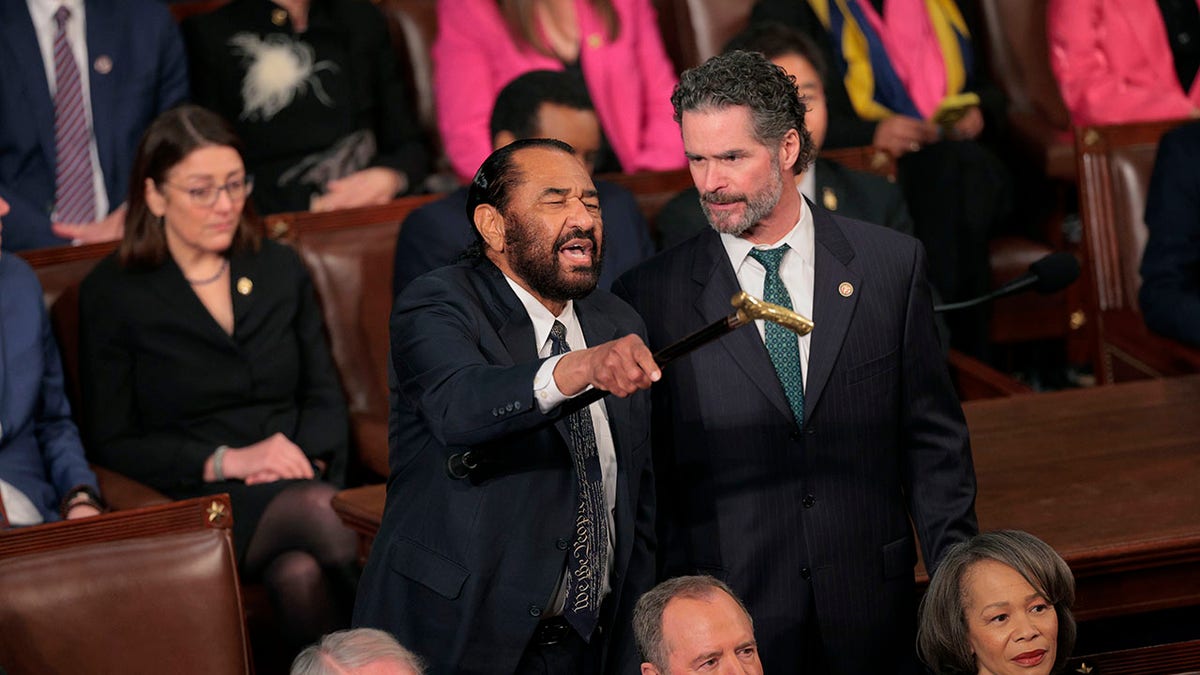
Internal tensions within the Democratic Party have intensified as centrist House members move to counter the influence of progressive lawmakers, a shift that analysts suggest could reshape legislative strategy. According to reports, moderate coalitions are concerned about the electoral success of progressive candidates and the resulting shift in the party’s policy platform. This friction highlights a broader ideological struggle between the party’s establishment and its left-leaning wing, which has seen an expansion of its ranks.
The Democratic caucus faces a narrow margin in a chamber controlled by a Republican majority, according to official House of Representatives records. This thin numerical gap means that any internal discord—whether between moderate members of coalitions or members of the Congressional Progressive Caucus—can carry significant weight in floor votes and committee negotiations.
Ideological Shifts and Caucus Dynamics
The primary point of contention centers on the electoral footprint of progressive candidates who have successfully challenged incumbents in primary elections. While the Democratic Party’s platform remains officially unified on major legislative goals, the tactical differences regarding how to achieve those goals have become a source of documented frustration. Moderates argue that the party’s national brand is being pulled too far to the left, potentially alienating swing-district voters.
Conversely, members of the progressive bloc contend that their policy positions—often centered on climate change, healthcare reform, and social safety nets—represent the future of the party and are essential for maintaining voter enthusiasm. The Congressional Progressive Caucus, which includes a significant number of House members, has advocated for more aggressive legislative action, often pushing leadership to bypass traditional compromise-heavy approaches. This strategy has led to public disagreements over the prioritization of bills and the timing of legislative maneuvers.
The Strategy of Counter-Organizing
In response to these gains, centrist lawmakers are reportedly exploring new organizational efforts to ensure that moderate voices retain influence over the party’s agenda. This includes the development of strategies to support incumbent moderates during primary contests and to coordinate more effectively on legislative messaging. The goal, according to sources familiar with these internal discussions, is to provide a more structured alternative to the messaging campaigns that have characterized recent election cycles.
Historically, the Democratic Party has managed these internal divisions by balancing the interests of its diverse caucuses. However, the current environment is marked by a higher degree of public visibility regarding these disputes. The use of social media and rapid-response digital operations has allowed both wings of the party to take their arguments directly to the public, often bypassing the traditional, closed-door negotiation processes that once kept such disagreements confined to leadership offices.
Impact on Legislative Effectiveness
The potential for a sustained internal struggle poses risks for the party’s legislative efficacy, particularly in a divided government. When a caucus is visibly divided, it can weaken its bargaining position during negotiations with the Senate and the White House. This dynamic is particularly relevant during high-stakes budget negotiations or when the party seeks to pass must-pass legislation like the National Defense Authorization Act or annual appropriations bills, which are tracked by the Library of Congress.
Furthermore, the focus on internal competition may distract from the party’s broader goal of retaking the House majority. Strategists from both sides of the divide acknowledge that a unified front is essential for electoral success, yet they remain deeply split on what that unity should look like. The challenge for leadership will be to synthesize these competing visions into a cohesive platform that appeals to both the party’s donor base and the broader electorate.
Looking Ahead: The Next Legislative Checkpoint
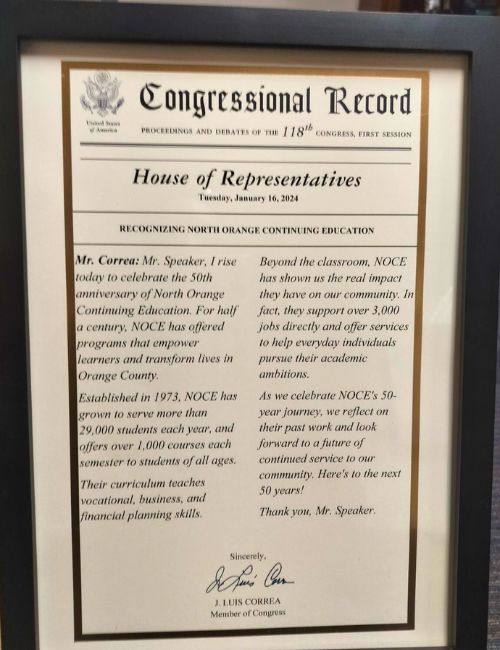
The next major test of this internal cohesion will likely occur during the upcoming legislative session, as the House prepares for debates on the federal budget and potential reforms to current administrative policies. Observers are looking toward the next scheduled party caucus meetings, where leadership is expected to address the need for unity ahead of upcoming legislative deadlines. For voters and policy analysts, the most reliable source for updates on these developments remains the official proceedings recorded in the Congressional Record, which provides the most accurate account of how individual members cast their votes on key legislation.
As the conversation continues, the ability of Democratic leadership to mediate these disputes will remain a critical factor in determining the party’s trajectory. We welcome your thoughts on how these ideological shifts might affect the future of legislative policy; please feel free to share this article or join the discussion in the comments section below.
Related reading
- Russian Drone Attack Hits Shopping Mall and Industrial Facility in Zaporizhzhia
- Shadow the Bald Eagle Finds Comfort with New Partner “Katie” After Jackie’s Death
- South African Envoy Warns Canada Peacekeeping Cuts Weaken Middle-Power Strategy (newsdirectory3.com)
- Kratom’s Rising Popularity Sparks Addiction Concerns and Sales Bans (news-usa.today)