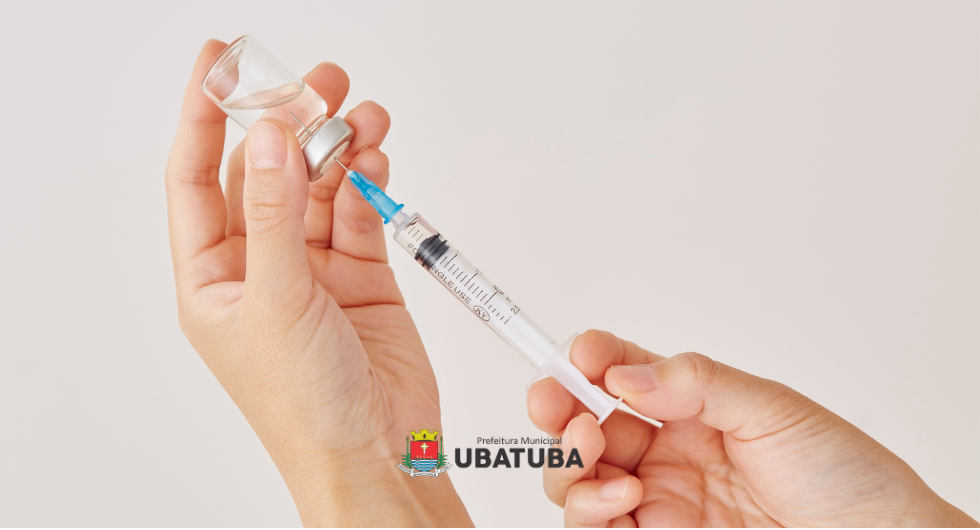
Municipal health departments across Brazil have begun the rollout of the Pneumo 20 vaccine. The vaccine is being integrated into public health networks to provide coverage against pneumonia and meningitis.
The transition to the Pneumo 20 conjugate vaccine represents a shift in clinical practice. Public health officials emphasize that this update is designed to reduce the incidence of severe illness in vulnerable populations, particularly children.
Understanding the Shift to Pneumo 20
The Pneumo 20 vaccine provides protection by targeting 20 serotypes of the bacteria responsible for pneumonia and meningitis.
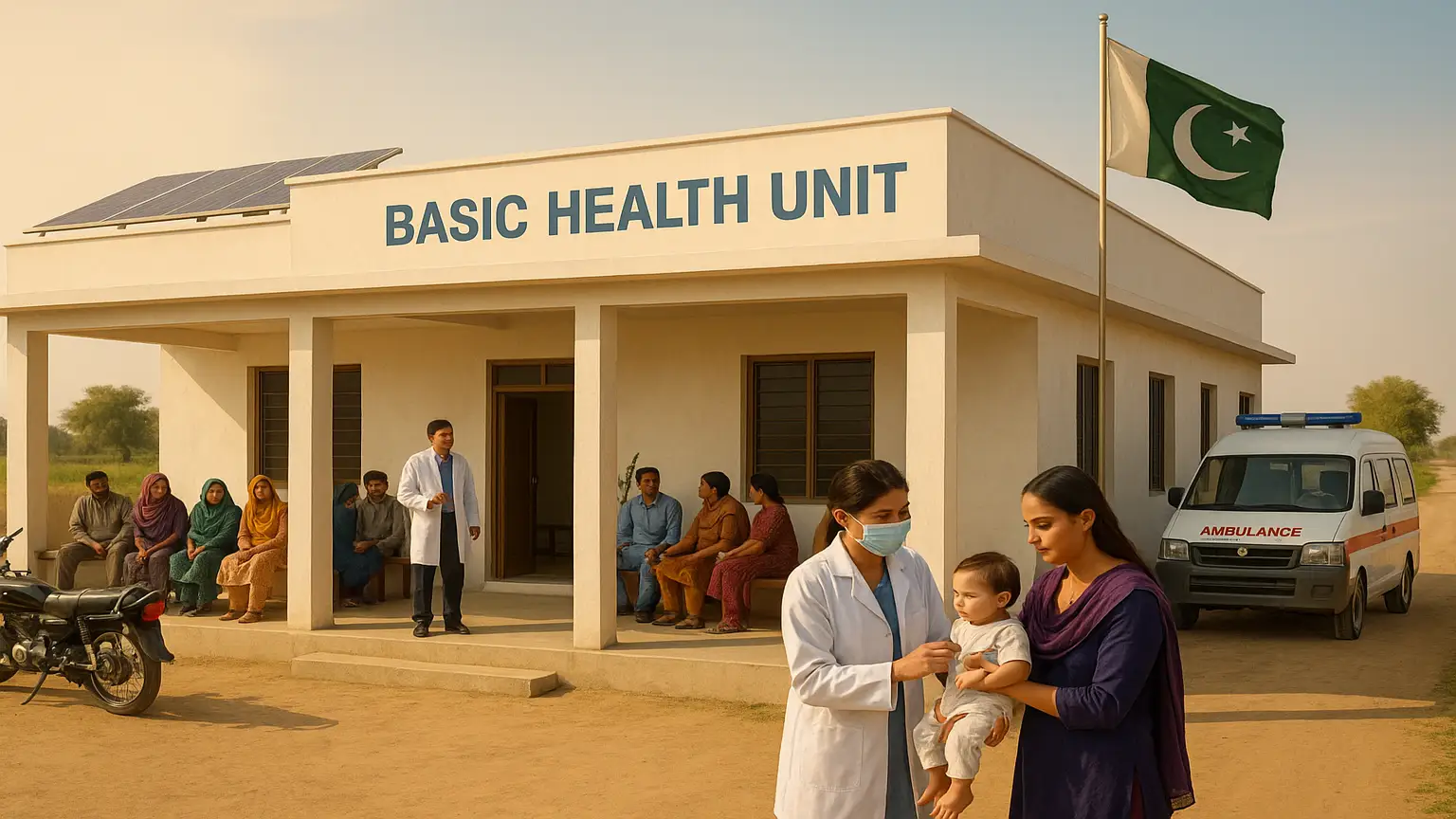
In various municipalities, the rollout is being executed through local clinics. Implementation schedules vary by region. Residents are encouraged to consult their local Basic Health Units (UBS) to verify the availability of doses.
Clinical Importance and Public Health Impact
The inclusion of the Pneumo 20 vaccine is intended to decrease the overall clinical burden on the public healthcare system.
Medical professionals note that the vaccine works by stimulating the immune system to recognize the 20 serotypes of the bacteria.
How to Access Vaccination Services
To receive the vaccine, individuals should visit their local health unit with their vaccination card and a form of identification. Municipalities are currently managing the distribution logistics. Because inventory levels and specific local schedules can change, health authorities recommend checking official municipal government portals or social media channels for the most current information regarding local clinic hours and any documentation requirements.
The Ministry of Health continues to provide technical guidance to states and municipalities. As the rollout progresses, further updates regarding coverage expansion or adjustments to the target population will be communicated through official government channels.
The next phase of the program involves ongoing monitoring of vaccination coverage rates. Readers are encouraged to stay informed through their local health departments and to maintain up-to-date vaccination records for themselves and their families. Please join the conversation below by sharing your experiences with local vaccination updates in your community.