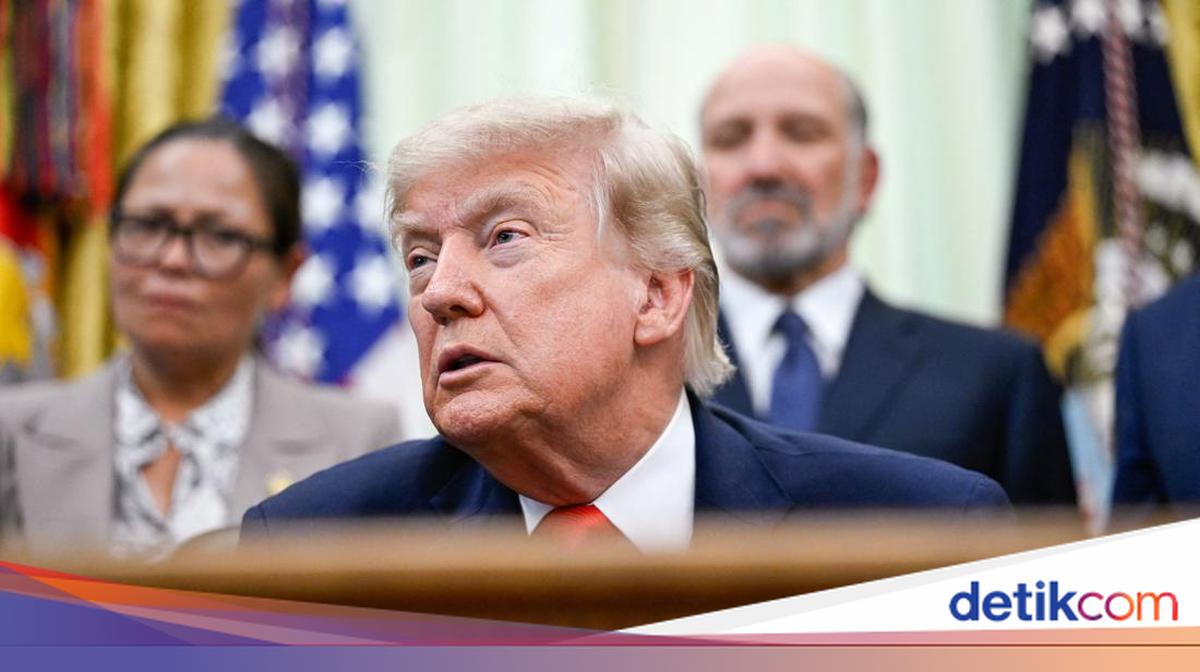
International maritime security in the Strait of Hormuz faces renewed scrutiny following a drone strike on a Singapore-flagged vessel, an incident that has drawn sharp criticism from Donald Trump and sparked concerns over regional trade stability. The attack, which targeted a commercial merchant ship, prompted temporary disruptions to maritime traffic and fueled immediate volatility in global energy markets, as the narrow waterway remains a vital artery for international oil transit.
The incident involved a drone strike on a Singapore-flagged vessel. While global shipping lanes through the Strait of Hormuz generally remained operational, the event has highlighted the vulnerability of commercial shipping in the region.
The Impact on Global Energy Markets
The immediate consequence of the drone strike was a noticeable uptick in global oil prices. The incident caused the failure of ship evacuations and triggered volatility in global markets. The volatility reflects investor anxiety regarding potential escalations that could further impede the movement of tankers.
Market observers observed that while the physical damage to the ship was limited, the impact on supply chain logistics was significant. When maritime security is perceived to be failing, the cost of moving goods through the region increases, a trend that ultimately affects consumer prices globally.
Regional Security and Diplomatic Tensions
Donald Trump characterized the incident as a reckless violation. His comments reflect a critique of Iranian military activity in the Gulf. The UN has stopped traffic and ceased escort services in the Strait of Hormuz following the incident.
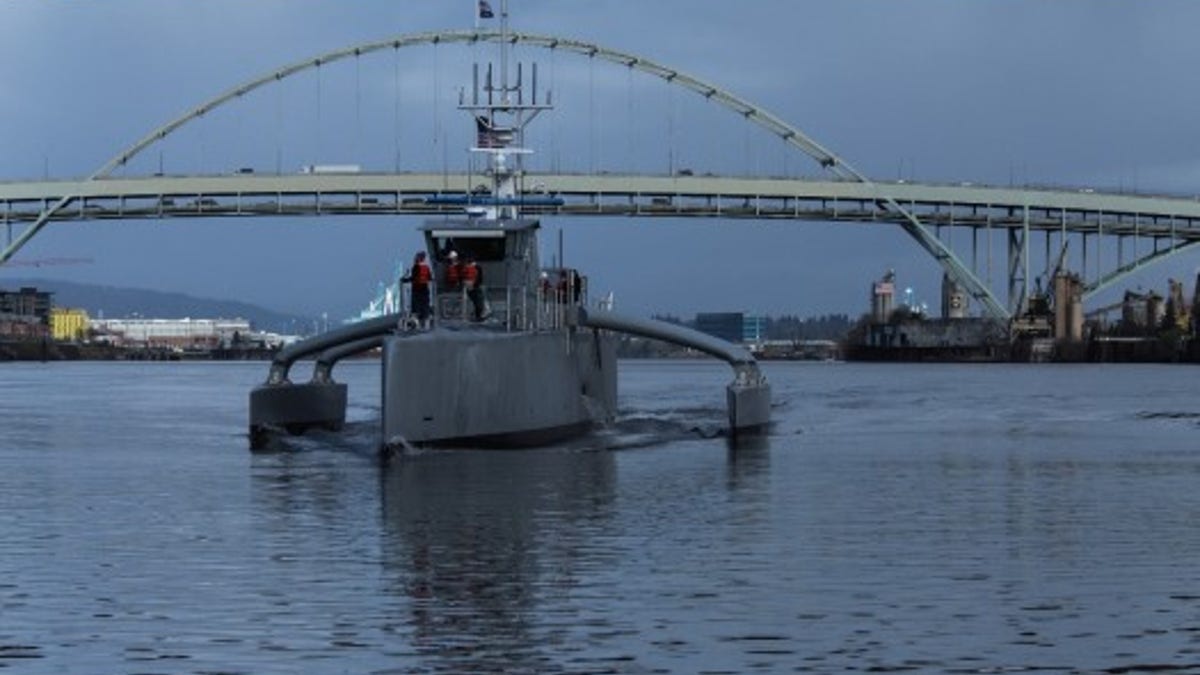
The situation is complicated by the presence of international naval patrols intended to protect commercial transit. Following the drone strike, questions arose regarding the efficacy of these protective measures. While some reports suggested that international monitoring of traffic faced temporary hurdles, maritime authorities generally cautioned against overstating the disruption to overall flow.
What Happens Next for Maritime Transit
The next phase of this situation will likely be defined by the outcome of ongoing investigations into the origin of the drone and the potential for a heightened international security presence. Shipping companies are currently reviewing their security protocols for vessels navigating the Strait.
There are no immediate plans for a total closure of the Strait, as the economic necessity of the route remains paramount for both global exporters and regional importers. The next critical update will likely come from the UN or regional maritime coordination centers, which are expected to issue updated guidance on risk levels for merchant vessels. Stakeholders are encouraged to monitor official notices to mariners for real-time safety information. We invite our readers to share their perspectives on the balance between energy security and regional diplomacy in the comments section below.
Related reading